Brown water from your faucet is usually caused by rust, sediment, or a disturbance in your water supply. In most cases, it's not dangerous, but it does signal something in your plumbing or water system that needs attention.
"The color tells us a lot about where the problem is coming from," says the lead service technician at Dalmatian Plumbing. "Brown from the hot water tap only? That's usually the water heater. Brown from every faucet? Could be the city's lines or your main supply pipe."
This guide helps you diagnose what's causing the brown water, whether it's safe, and what to do about it.
Quick Diagnosis: Which Faucets Have Brown Water?
Before doing anything else, check which faucets are affected. This tells you where to look for the problem.
Brown Water from Hot Water Only
Likely cause: Your water heater
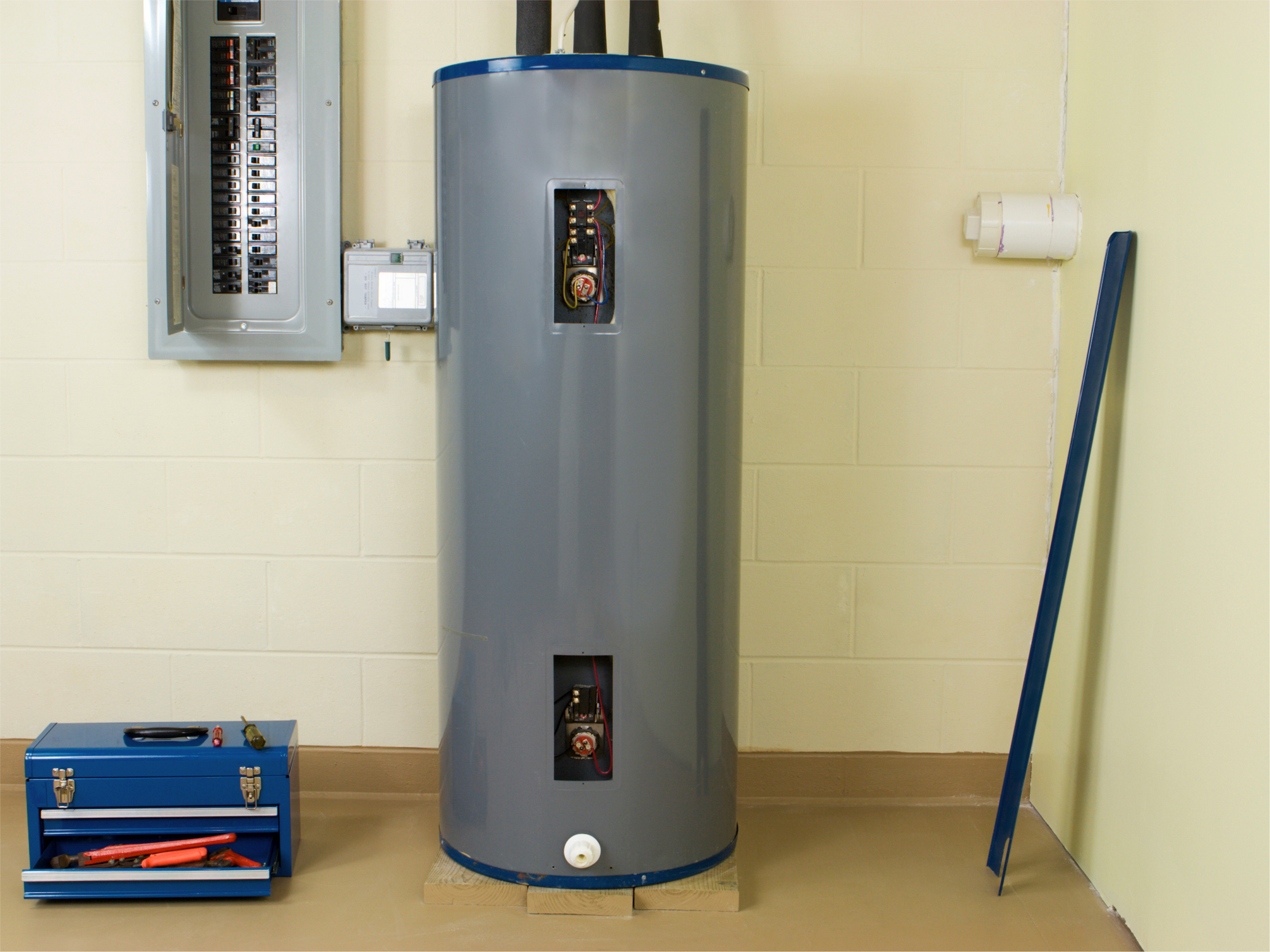
When only hot water is brown, the problem is almost certainly inside your water heater. Sediment, rust, or a failing component is contaminating the hot water supply before it reaches your faucets.
Brown Water from Cold Water Only
Likely cause: Your home's pipes or the city's water lines
If cold water is brown but hot water runs clear, the issue is in your cold-water supply, either in your home's pipes or in the municipal system.
Brown Water from One Faucet Only
Likely cause: That specific pipe or fixture
When brown water appears at just one sink or shower, the problem is localized. A corroded pipe section, rusty fixture, or clogged aerator is usually responsible.
Brown Water from All Faucets
Likely cause: City water disturbance or your main water line
If every faucet in your home has brown water, the source is either your municipal supply or where your home connects to it.
6 Common Causes of Brown Tap Water
1. Rust in Your Pipes
Older homes, especially those built before 1960, often have galvanized steel pipes that corrode over time. As rust accumulates inside the pipes, it can break loose and travel through your water supply.
Signs it's your pipes:
- Brown water appears in the morning but clears after running for 2-3 minutes
- Only certain faucets are affected
- You live in an older home with original plumbing
If rust is flaking off your pipes, they're deteriorating. Left unchecked, this leads to leaks and water damage. Homes with significant pipe corrosion typically require repiping or waterline repair.
2. Municipal Water Main Disturbance
Your city occasionally works on water infrastructure, repairing mains, flushing hydrants, or adjusting pressure. This stirs up sediment and rust that has settled in the pipes over the years.
Signs it's the city:
- Brown water appears suddenly and affects the whole house
- Your neighbors have the same problem
- There's construction or utility work in your area
Municipal disturbances usually clear up within a few hours. Check your city's website or call your water utility to confirm whether work is underway.
Tip: Cobb County, Marietta, and other Atlanta-area utilities typically post water main work notifications online. If you're unsure, call before assuming it's your plumbing.
3. Water Heater Sediment Buildup
Minerals and sediment naturally settle at the bottom of your water heater tank over time. When disturbed, or when the tank is nearly empty, this sediment clouds the water.
Signs it's your water heater:
- Only hot water is brown
- The problem has gotten gradually worse
- Your water heater is more than 5-6 years old and hasn't been flushed
Annual water heater flushing prevents this problem. If sediment buildup is severe, you may notice reduced hot water output and higher energy bills, along with discoloration.
4. Failing Sacrificial Anode Rod
Inside your water heater is a metal rod called the sacrificial anode. Its job is to corrode instead of your tank, protecting the heater from rust. When this rod is depleted, the tank itself starts corroding, and that rust ends up in your hot water.
Signs the anode rod is failing:
- Brown or rust-colored hot water
- Sulfur or "rotten egg" smell from hot water
- The water heater is 4-6+ years old, and the anode has never been checked
Replacing the anode rod costs far less than replacing the entire water heater. If you're seeing brown hot water, have the anode inspected before the tank itself fails.
5. Private Well Issues
If your home uses well water (common in parts of Cobb, Cherokee, and Paulding counties), several factors can cause brown water:
- Heavy rainfall: Surface water can infiltrate the well through the wellhead, bringing dirt, bacteria, and debris into your water supply. If brown water appears after heavy rain, this is likely the cause.
- Water table fluctuation: Seasonal changes in groundwater levels can concentrate iron and manganese in your well water. Many homeowners notice worse water quality in late summer and fall.
- Corroded well pump: The pump that draws water from your well can corrode over time, releasing rust particles into your supply.
- High iron or manganese: Georgia's red clay soil is rich in iron. Groundwater in many areas naturally contains iron and manganese, which can cause discoloration.
Important: If brown water appears suddenly after flooding or heavy storms, don't drink it until it's tested. Surface water contamination can introduce harmful bacteria.
6. Fire Hydrant Flushing
Municipalities periodically flush fire hydrants to clear sediment and test water pressure. This can temporarily cause brown water in nearby homes.
Signs it's hydrant flushing:
- Brown water appears suddenly but clears within 30 minutes to a few hours
- You're near a fire hydrant
- Neighbors report the same issue
Many water utilities publish flushing schedules online. If you know flushing is happening, avoid running hot water during this time to keep sediment out of your water heater.
What the Color Tells You
Different shades of discolored water can indicate different problems:
| Water Color | Likely Cause |
|---|---|
| Brown or reddish-brown | Iron, rust from pipes or water heater |
| Yellow or orange | Iron oxidizing, manganese, or tannins from organic matter |
| Black or dark gray | Manganese, or potentially mold (rare) |
| Cloudy/milky white | Air bubbles (harmless) or bacteria (test it) |
If your water has a strong color and an unusual smell (sulfur, chlorine, sewage), treat it as a more serious issue and avoid using it until tested.
Is Brown Tap Water Safe to Drink?
In most cases, brown water isn't dangerous, but that doesn't mean you should drink it.
Generally safe (but unpleasant):
- Rust and iron aren't toxic in the amounts typically found in tap water
- Sediment from disturbed pipes is mineral-based, not bacterial
When to avoid drinking it:
- Water has a strong metallic taste or unusual odor
- You see particles or slime
- The discoloration doesn't clear after running for several minutes
- You have a private well (surface contamination risk)
- Anyone in your household has a compromised immune system
Other concerns:
- Brown water stains sinks, toilets, and laundry
- Iron can damage appliances like dishwashers and water heaters
- Persistent discoloration indicates a plumbing problem that will worsen
When in doubt, use bottled water for drinking and cooking until the issue is resolved or water is tested.
What to Do When Your Water Turns Brown
Step 1: Run the Cold Water (Start Close to the Main)
Let cold water run from the faucet closest to where water enters your home. Start with 2-3 minutes. If it clears, the disturbance was minor.
How long to wait:
- Clears in 2-3 minutes → Likely sediment in your pipes (overnight settling)
- Clears in 20-30 minutes → Possibly hydrant flushing or minor main disturbance
- Clears in a few hours → Water main work or repair
- Doesn't clear after 24 hours → Call a plumber
Step 2: Check If It's Hot or Cold Water
Turn on the hot water separately to see if the problem is in your water heater. If only hot water is brown, focus on the water heater.
Step 3: Ask Your Neighbors
If neighbors have the same problem, it's a municipal issue; wait it out or contact your utility. If it's only your home, the problem is your plumbing.
Step 4: Avoid Running Hot Water (If Possible)
During a municipal disturbance, avoid using hot water. Sediment drawn into your water heater can settle in the tank, causing problems later.
Step 5: Don't Do Laundry
Brown water can permanently stain fabrics. If laundry was in progress when the water turned brown, rewash with a rust remover product before drying.
Step 6: Call a Professional If It Persists
If brown water doesn't clear within 24 hours or recurs regularly, have a plumber inspect your system.
Preventing Brown Water
Regular maintenance reduces the likelihood of brown water problems:
- Flush your water heater annually. Draining a few gallons removes sediment before it accumulates. This extends the tank's life and prevents discoloration.
- Replace the anode rod every 3-5 years. Before the rod is fully depleted, replace it to protect your water heater tank from corrosion.
- Upgrade old galvanized pipes. If your home has original galvanized steel pipes from before 1960, consider replacing them with copper or PEX. This eliminates a major source of rust.
- Install a whole-house water filter. A sediment filter or whole-house filtration system traps particles before they reach your faucets, especially valuable for well water or areas with aging infrastructure.
Schedule regular plumbing inspections. Catching corrosion early prevents pipe failures and water damage.
When to Call a Plumber vs. Your Water Utility
Call your water utility if:
- Brown water affects your entire neighborhood
- You suspect a water main break or city infrastructure issue
- You want to confirm if scheduled maintenance is happening
Call a plumber if:
- Brown water persists longer than 24 hours and only affects your home
- Only hot water is discolored
- The problem recurs regularly
- You see signs of pipe corrosion (leaks, low pressure, visible rust)
- You need your water heater flushed or the anode rod inspected
Frequently Asked Questions
Can I shower in brown water?
Showering in brown water is generally safe for your body, though it may irritate sensitive skin. However, brown water can stain light-colored towels and washcloths, and the iron can leave residue on tile and grout.
Is brown tap water safe to drink?
Brown water caused by rust or sediment isn't toxic, but we don't recommend drinking it. The discoloration indicates something is wrong with your plumbing or water supply, and the water may contain elevated minerals or, in the case of well water, after storms, potential bacterial contamination.
How long should I run the water to clear it?
Start with 2-3 minutes of cold water from the faucet closest to your main water line. If it doesn't clear, wait 20-30 minutes and try again. If brown water persists for more than 24 hours, contact a plumber.
Why is my water brown only in the morning?
Brown water that appears first thing in the morning but clears after running suggests sediment or rust that settles in your pipes overnight. This is common in homes with older galvanized pipes and indicates the pipes are corroding internally.
Should I use brown water in my appliances?
No. Avoid running the dishwasher, washing machine, or ice maker when the water is brown. Iron and sediment can stain dishes and laundry, and may damage appliance components over time.
How do I get my water tested?
Contact a certified water testing laboratory or your local health department. For well water, the CDC recommends annual testing for bacteria and nitrates. Georgia residents can find certified labs through the Georgia EPD.
Need Help With Brown Water?
If brown water persists in your home, or if you're concerned about your water quality, a licensed plumber can diagnose the source and recommend solutions. At Dalmatian Plumbing, we help Atlanta-area homeowners resolve water quality issues, from water heater maintenance to whole-house filtration systems.
Schedule an inspection or call.