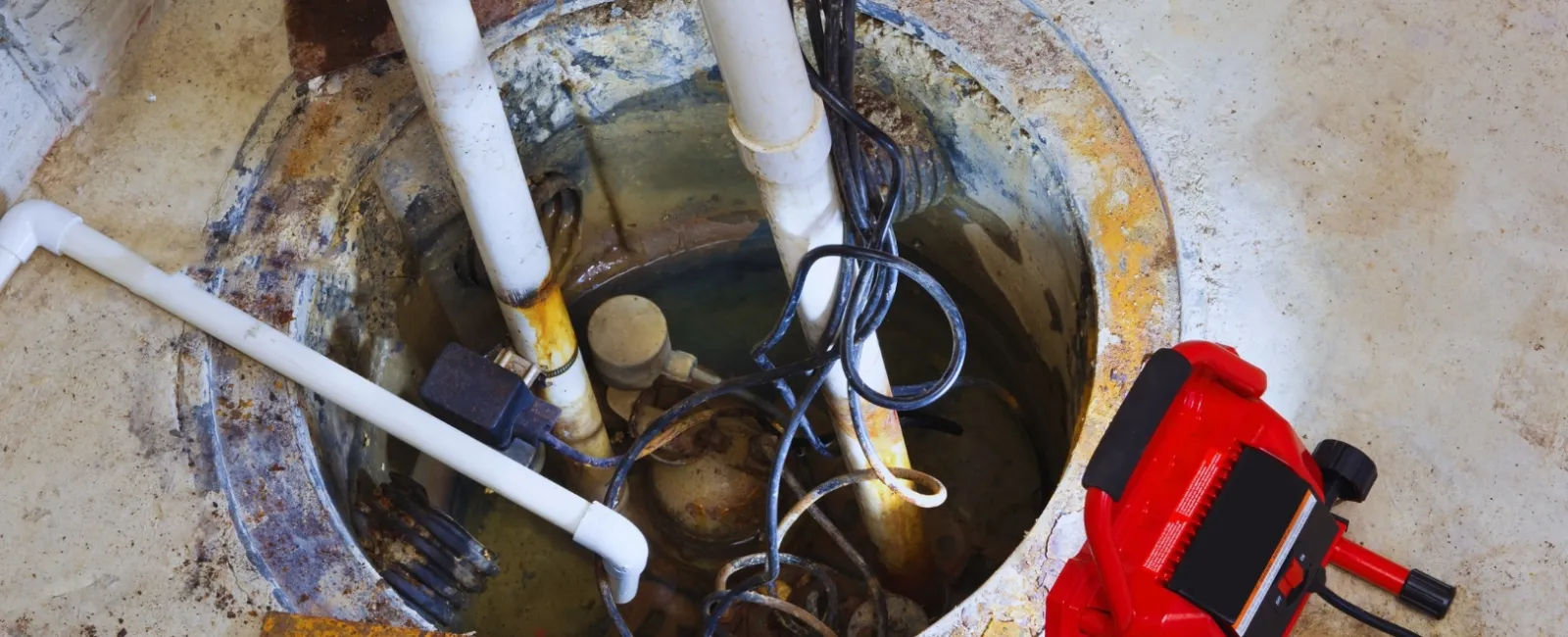
You walk downstairs and find water pooling around your basement floor drain, or worse, sewage bubbling up from it. A floor drain backing up is more than just unpleasant. It's a warning sign that something is wrong deeper in your plumbing system, and the problem won't resolve on its own.
Floor drains sit at the lowest point in your home's drainage system. When they back up, it typically means wastewater has nowhere else to go. Understanding why this happens can help you recognize when you're dealing with a minor issue versus a serious plumbing emergency that needs immediate attention.
Why Your Basement Floor Drain Keeps Backing Up
A basement drain backing up isn't the problem itself; it's the symptom. The actual cause lies somewhere in your drain lines, sewer connection, or the municipal system. Here are the most common reasons Atlanta homeowners experience floor drain backups.
Main Sewer Line Blockage
The most serious cause of a floor drain backing up is a blockage in your main sewer line. Every drain in your home, toilets, sinks, showers, and washing machines eventually connects to this single pipe that carries wastewater to the municipal sewer or your septic system.
When the main line becomes partially or fully blocked, wastewater backs up through the lowest available opening: your basement floor drain. You might notice the backup worsens when you run water elsewhere in the house, such as when you flush a toilet or drain a bathtub. This is a clear sign that the main line needs professional drain cleaning to clear the obstruction.
Main line blockages commonly result from tree root intrusion, accumulated grease and debris, or collapsed pipe sections in older homes. Atlanta's mature neighborhoods often have large trees with aggressive root systems that seek out sewer lines for moisture and nutrients.
Secondary Drain Line Clogs
Sometimes the backup originates closer to the floor drain itself. Secondary drain lines connect your floor drain to the main sewer line, and these smaller pipes can become clogged with sediment, soap residue, or debris that washes into the drain over time.
If only your floor drain is backing up while other fixtures work normally, the clog is likely in this secondary line rather than the main sewer. A plumber can use camera inspection to pinpoint exactly where the blockage is located and recommend the appropriate professional drain service to clear it.
Heavy Rain and Stormwater Infiltration
In many Atlanta-area homes, floor drains connect to the sanitary sewer system. During heavy rainstorms, the municipal sewer system can become overwhelmed with stormwater runoff. When the system reaches capacity, water backs up through the lowest drains in connected homes, typically, the basement floor drains.
If your drain backs up during heavy rain, this is likely the cause. While you can't control municipal infrastructure, there are protective measures a plumber can install, including backwater valves that prevent sewage from flowing backward into your home.
Sump Pump Failure
If your home has a sump pump system, a malfunctioning pump can contribute to floor drain backups. The sump pump is designed to remove groundwater that collects beneath your foundation before it can enter your basement. When the pump fails, due to power outages, mechanical problems, or a clogged discharge line, water accumulates and may overflow into floor drains or back up through them.
Homes in areas with high water tables or poor drainage are particularly vulnerable. If you're experiencing recurring basement water issues, having your sump pump inspected should be part of the diagnostic process. A properly functioning sump system is your first line of defense against basement flooding.
Damaged or Deteriorating Sewer Pipes
Older homes may have sewer pipes made from materials that deteriorate over time. Clay pipes crack and separate at joints. Cast iron corrodes from the inside out. Orangeburg pipe (a tar-paper product used from the 1940s through the 1970s) collapses entirely.
When pipes are damaged, they can't efficiently carry wastewater. Debris catches on rough edges and broken sections, creating blockages that cause backups. If your home was built before 1980 and you're experiencing recurring drain problems, the condition of the pipes should be evaluated with a camera inspection.
Warning Signs That Accompany Floor Drain Backups
A floor drain backing up rarely happens in isolation. Pay attention to these related symptoms that can help identify the scope of the problem:
- Multiple slow drains throughout the house suggest a main line issue rather than a localized clog. If your kitchen sink, bathroom drains, and floor drain are all sluggish, the blockage is likely in the shared main sewer line.
- Gurgling sounds from toilets or drains when you run water elsewhere indicate air being displaced by wastewater that can't flow freely. This often precedes a backup.
- Sewage odors coming from the floor drain—even when it's not actively backing up—suggest partial blockages or dried-out drain traps that are allowing sewer gas into your home.
- Water marks on basement walls or efflorescence (white mineral deposits) may indicate chronic moisture issues related to drainage problems or sump pump issues.
What to Do When Your Floor Drain Backs Up
When you discover a floor drain backing up, your immediate priority is minimizing water damage and health risks. Backed-up wastewater can contain harmful bacteria, so avoid direct contact and keep children and pets away from the affected area.
If the backup is actively occurring, avoid using any water in the house. Every flush, every drain, adds more water to a system that's already overwhelmed. This includes dishwashers and washing machines on delayed cycles.
Don't attempt to clear a main line blockage yourself. Chemical drain cleaners are ineffective against serious clogs and can damage pipes. Rental drain snakes can puncture old pipes or push blockages further into the system. A professional plumber has the equipment and expertise to diagnose the problem correctly and clear it without causing additional damage.
Preventing Future Basement Drain Backups
While some causes of floor drain backups are beyond your control, regular maintenance can prevent many common issues:
- Schedule periodic drain cleaning. Professional hydro jetting or mechanical drain cleaning removes buildup before it becomes a blockage. For older homes or properties with large trees, annual inspection is worthwhile.
- Maintain your sump pump. Test your sump pump quarterly by pouring water into the pit until the float activates. Listen for the pump to engage and verify water discharges properly. If your pump is over 10 years old, consider sump pump replacement before it fails during a storm.
- Install a backwater valve. This device allows wastewater to flow out but prevents it from flowing back into your home during sewer system overloads. It's particularly valuable in areas prone to heavy rainfall.
- Be mindful of what goes down drains. Grease, food particles, and "flushable" wipes are primary contributors to sewer line clogs. Dispose of cooking grease in the trash, use drain strainers, and only flush toilet paper.
When to Call a Plumber
Some situations require immediate professional attention. Call a plumber right away if you notice sewage or wastewater actively backing up into your basement, multiple drains throughout the house are affected simultaneously, you smell persistent sewer gas odors, or the backup recurs after initially clearing.
A single slow floor drain might be a minor issue. A floor drain backing up with sewage, while other fixtures drain slowly, indicates a main line problem that will only worsen without professional intervention.
Get Your Drains Flowing Again
A basement floor drain backing up disrupts your home and creates potential health hazards. The longer you wait, the greater the risk of water damage to your basement, belongings, and foundation.
Dalmatian Plumbing has served Atlanta-area homeowners for over 25 years. Our technicians use camera inspection to identify exactly what's causing your drain backup and recommend the most effective solution, whether that's clearing a clog, repairing damaged pipes, or installing protective equipment like backwater valves or a new sump pump system.
If your floor drain is backing up or you're noticing warning signs of drainage problems, don't wait for a full backup. Call us to diagnose the issue and restore proper drainage to your home.