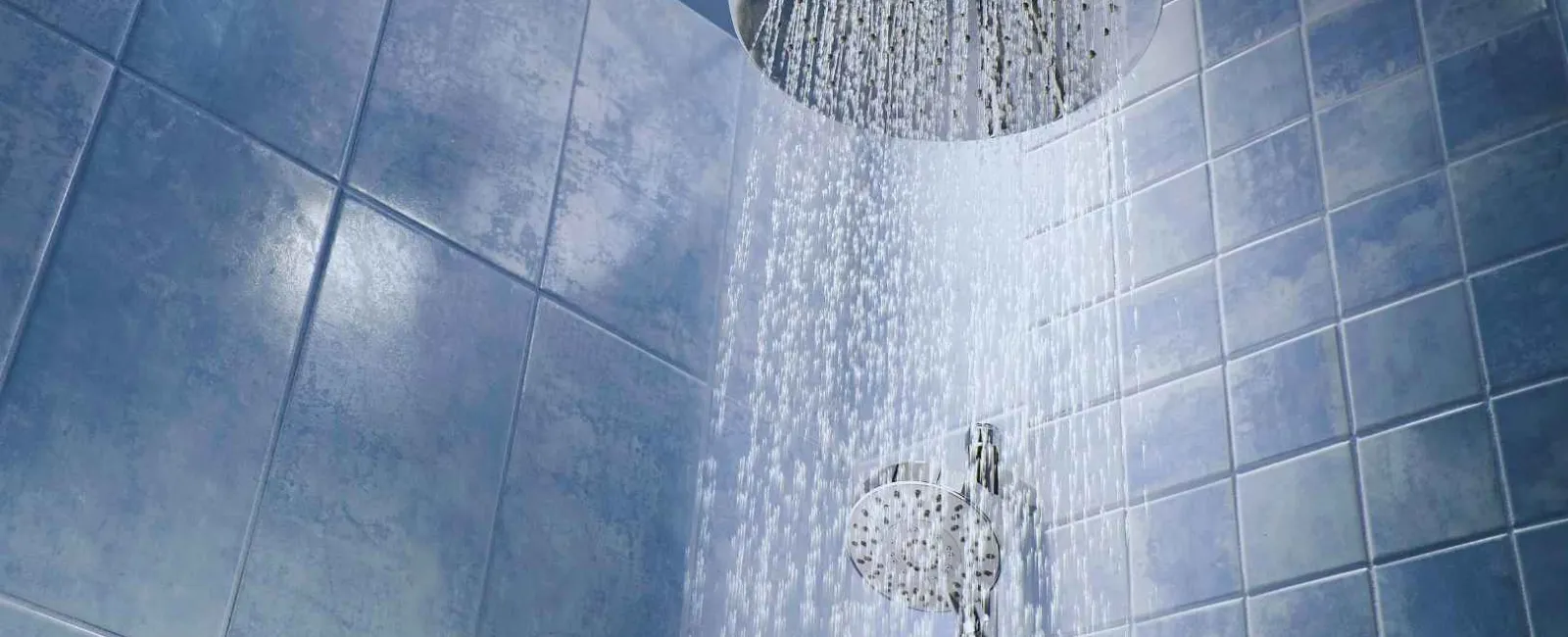
You turn the shower handle to
the off position, but the water keeps running. You twist harder. Nothing. Now
you're standing there, dripping wet, watching water pour down the drain while
your mind races through worst-case scenarios about your water bill and
potential damage.
A shower that won't turn off is
more than an inconvenience; it's an emergency that needs immediate attention.
The good news is that you can quickly stop the water flow, even if the handle
isn't cooperating. The better news is that the underlying problem is usually
fixable.
With over 25 years of
experience handling plumbing emergencies across metro Atlanta, our technicians
have seen every variation of this problem. Here's exactly what to do when your
shower won't shut off, what's likely causing it, and when you need professional
help.
Stop the Water First
Before diagnosing anything, you
need to stop the water flow. Here's how to do it, starting with the easiest
option.
Look for a shower shut-off
valve. Some showers have dedicated shut-off valves behind an access panel
in the wall adjacent to the shower. Check the wall behind your showerhead, or on the opposite side, in a closet or an adjoining room. If you find one, turn it
clockwise to shut off water to just the shower.
Shut off the bathroom water
supply. If there's no dedicated shower valve, look under your bathroom sink
for shut-off valves. These may also control the shower if they're on the same
supply line. Turn both the hot and cold valves clockwise.
Turn off the main water
supply. If you can't find local shut-offs or they don't stop the shower, go
to your home's main water shut-off valve. In most Atlanta homes, this is
located near the water meter at the front of the property, in the basement,
crawl space, or garage. Turn the valve clockwise until it stops.
Once the water is off, you can
take a breath and assess the situation. The immediate emergency is over; now
it's time to figure out what went wrong.
Why Your Shower Won't Turn Off
When a shower faucet won't turn
off, the problem is almost always inside the valve assembly behind your wall.
Here are the most common culprits.
Worn or Failed Cartridge
Most modern single-handle
showers use a cartridge valve to control water flow and temperature. This
cartridge is a cylinder containing rubber seals, O-rings, and internal passages
that open and close as you turn the handle.
Over time, typically 10 to 15
years with regular use, these internal components wear out. The rubber hardens
and cracks. Mineral deposits from Atlanta's water build up inside the passages.
Eventually, the cartridge can no longer form a complete seal, and water continues to flow even in the off position.
A failing cartridge often gives
warning signs before it fails completely: the handle may feel stiff or loose,
the temperature may be harder to adjust, or you might notice a slow drip that
gradually worsens.
Stripped or Broken Handle
Sometimes the valve inside is
fine, but the handle itself is the problem. The handle connects to the
cartridge or valve stem through a series of small teeth or splines. When these
become stripped, often from years of use or from forcing a stiff handle, the
handle spins freely without actually engaging the valve.
You can usually identify this
problem by feel: the handle turns with little or no resistance, or you hear a
clicking sound as it rotates. The handle may also wobble or feel loose on the
valve stem.
Damaged Valve Stem or Seat
In older two-handle or
three-handle shower setups, each handle operates a separate valve stem. The
stem has a rubber washer at the end that presses against a brass valve seat to
stop water flow. If the washer wears out, hardens, or falls apart, water will
continue to flow past it.
The valve seat itself can also
become damaged over time. Corrosion, mineral buildup, or wear can create pits
and grooves in the seat that prevent the washer from sealing properly. Even a
new washer won't fix the problem if the seat is damaged; the seat needs to be
resurfaced or replaced.
Stuck Diverter Valve
If you have a tub/shower
combination, the diverter valve directs water between the tub spout and the
showerhead. When a diverter gets stuck or fails, it can sometimes prevent the main valve from shutting off completely. You might notice water trickling
from both the showerhead and tub spout, or the main valve may behave
erratically.
Can You Fix It Yourself?
Shower valve problems can look simple from the outside. A loose handle, a drip, or trouble getting the temperature right might seem like a quick fix, but what most homeowners don't see is that the working parts sit inside the wall, and small mistakes can quickly turn into expensive damage.
Different manufacturers use different internal designs, and many older valves require specialty parts that aren't stocked at hardware stores. Even identifying what you have can involve partial disassembly. If something breaks, strips, or refuses to come loose, the repair can escalate from minor to major in minutes.
There's also the risk factor. A failed connection or cracked fitting can send water into the wall cavity, where leaks may go unnoticed until drywall, framing, or ceilings are affected.
For these reasons, shower valve work is usually best handled by someone who deals with them every day. A professional can identify the valve, source the correct components, and complete the repair without creating a bigger problem.
When It's Time to Call a Plumber
Some situations especially benefit from expert diagnosis and repair.
- If the handle turns but nothing changes, the internal components are likely damaged and need to be carefully taken apart.
- If the brand or model is unknown, getting the wrong parts can waste time and money.
- If corrosion is visible, removal becomes more difficult, and the risk of breakage increases.
- If previous repair attempts haven't solved the issue, the problem may extend deeper into the valve body or piping.
- If there are signs of moisture around the shower, there could already be leakage behind the wall.
- And when the bathroom is upstairs, even a small error can affect rooms below.
In any of these cases, bringing in a licensed plumber protects your home and usually shortens the overall repair time.
Preventing Shower Valve Problems
Most shower valve failures
happen gradually, giving you opportunities to address small issues before they
become emergencies.
- Don't force a stiff handle. If your shower handle becomes difficult to turn, that's a sign that the cartridge or valve stem is wearing out. Forcing it can strip the handle splines or break internal components. Address stiffness early with professional faucet repair before the valve fails completely.
- Fix drips promptly. A dripping showerhead when the valve is off means the seal is already compromised. Small drips typically worsen over time and can eventually lead to a valve that won't close at all.
- Know where your shut-off valves are. Before an emergency happens, locate both your bathroom shut-offs and your main water shut-off. Test them periodically to make sure they work. Valves that sit unused for years can seize up when you need them most.
- Consider the age of your fixtures. If your shower valve is 15 to 20 years old and showing signs of wear, proactive replacement is often smarter than waiting for a failure. Scheduled fixture replacement gives you time to choose the right valve and schedule the work at your convenience, unlike emergency repairs.
What to Expect From Professional Repair
When you call a plumber for a
shower that won't turn off, here's what typically happens:
First, the plumber will ensure
the water supply is shut off and assess the situation. They'll remove the
handle and trim plate to access the valve and identify the manufacturer and
model. This inspection usually reveals whether the problem is the cartridge,
valve stem, handle, or something else.
For cartridge failures, repair
typically involves removing the old cartridge and installing a new one. If the
valve seat is damaged, it may need to be resurfaced. In some cases, particularly
with older valves or severe corrosion, replacing the entire valve assembly is
the better long-term solution.
If there's any concern about
water damage behind the wall, the plumber may recommend professional
leak detection to check for moisture before closing up the wall. Catching
hidden water damage early prevents mold growth and structural problems down the
road.
Get Your Shower Working Again
A shower that won't turn off is
stressful, but it's a fixable problem. Whether you're dealing with a worn
cartridge, a stripped handle, or a valve that's seen better days, the right
repair will get your shower back to normal.
Dalmatian Plumbing has been
solving plumbing emergencies for Atlanta-area homeowners for more than 25
years. Our technicians carry common cartridges and parts for most major brands,
so many repairs can be completed in a single visit. We'll diagnose the problem,
explain your options, and get your water under control.
If your shower won't shut
off, or if you're noticing the warning signs of a failing valve, give us a call. We'll help you get it fixed before a small problem becomes
a big one.