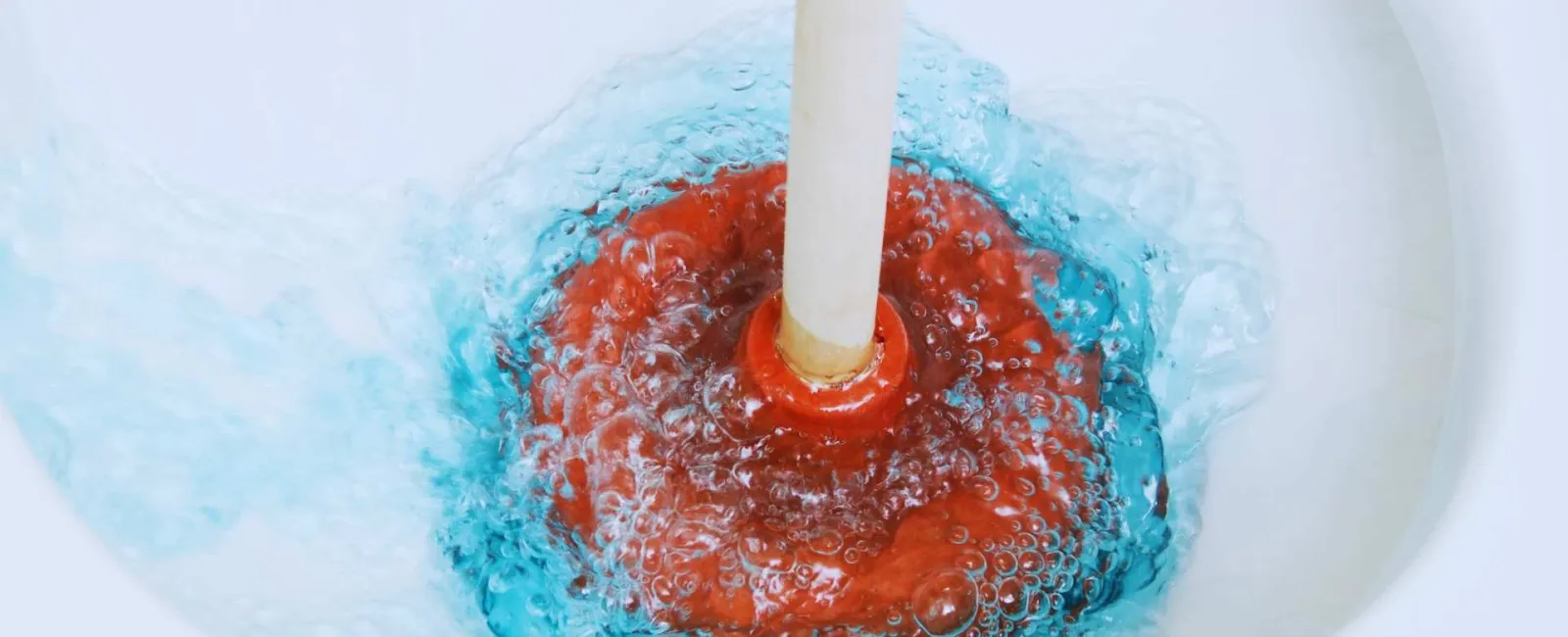
You've plunged it, you've
checked for obvious blockages, but your toilet still won't flush properly, and
you're certain it's not clogged. This is one of the most frustrating plumbing
problems homeowners can face, and after 25+ years serving the metro area,
our licensed plumbers diagnose this exact issue several times a week.
Here's what most homeowners
don't realize: when a toilet won't flush but isn't clogged, the problem almost
always lies in the flush mechanism inside the tank, not the drain path.
Understanding this distinction is the first step toward getting your toilet
working again.
In this guide, we'll walk you
through the five most common causes of non-clog flush failures, ranked by how
frequently our technicians encounter them, and when professional diagnosis is needed.
The Critical Difference: Flush Mechanism vs. Drain Path Problems
Before we dive into specific
causes, you need to understand a fundamental distinction that changes how you
approach this problem.
Drain path problems occur
when something physically blocks waste from leaving the bowl. This includes
clogs, partial blockages, and obstructions in the trap or drain line. When you
flush, water rises in the bowl or drains extremely slowly. A plunger often
helps.
Flush mechanism problems occur when the toilet can't generate enough flushing power to clear the bowl, even though the drain path is completely clear. Water may swirl weakly, the flush may feel incomplete, or the bowl simply doesn't empty. Plunging does nothing because there's nothing to push through.
With over 75 years of combined
plumbing experience, our team has learned that correctly identifying which
category your problem falls into saves significant time and frustration. Let's
look at the specific causes.
Quick Diagnostic Guide: Identifying Your Issue
Use this decision framework to narrow down what might be causing your flush problems:
- If your toilet runs or trickles between flushes, Suspect flapper valve issues (Cause #2). The seal isn't holding, allowing water to leak from the tank to the bowl.
- If the flush is weak but consistent, check tank water level (Cause #1) and rim jets (Cause #3). Low water volume or blocked jets reduces flush power uniformly.
- If you hear gurgling or smell sewer gas: Vent pipe blockage (Cause #4) is likely. Air pressure problems create distinctive sounds and allow sewer gases to escape.
- If the handle feels loose or must be held, the internal mechanical components (Cause #5) need attention. The flush mechanism isn't engaging properly.
- If multiple fixtures are affected, the problem likely extends beyond the toilet itself. Vent or mainline issues may be affecting your entire plumbing system.
5 Causes of a Toilet That Won't Flush (When It's Not Clogged)
1. Low Water Level in the Tank (40-45% of Cases)
The most common reason a toilet
won't flush properly, and the one we see almost half the time, is insufficient
water in the tank. Your toilet needs a specific volume of water (typically 1.6
gallons in modern toilets) to rush into the bowl, creating the siphon effect
that clears waste.
What's happening: When
the tank water level sits too low, the flush lacks the hydraulic pressure to
push waste over the trapway (the curved channel inside the toilet base).
Instead of a powerful whoosh, you get a weak swirl that leaves the bowl
partially full.
Signs you're experiencing
this:
- Water level in the tank sits more than an inch below the overflow tube
- Flush feels noticeably weaker than it used to
- The tank takes longer to refill after flushing
- You can see the fill line marked inside the tank, and water doesn't reach it
- The float ball or float cup appears positioned too low
Why this happens: The
fill valve (the component that refills the tank after each flush) may be
malfunctioning, improperly adjusted, or worn out. In older Atlanta homes, we
frequently find fill valves that have calcified from hard water deposits,
preventing them from opening fully. The float mechanism that signals the valve when to stop filling may also be incorrectly set or damaged.
What professional repair
involves: A licensed plumber will inspect the fill valve assembly, check
for mineral buildup common in Atlanta's water supply, and either adjust or
replace the valve. This typically involves shutting off the water supply,
draining the tank, and installing a properly calibrated replacement that
restores correct water levels.
2. Faulty or Worn Flapper Valve (25-30% of Cases)
The flapper is the rubber seal
at the bottom of your tank that lifts when you push the flush handle, allowing water to flow into the bowl. When this component fails, it creates flushing problems that
often puzzle homeowners.
What's happening: A
warped, cracked, or deteriorated flapper can't create a proper seal. This
causes two problems: water slowly leaks from the tank between flushes (lowering
available flush volume), and during the flush itself, the flapper may not lift
fully or stay open long enough to release adequate water.
Signs you're experiencing
this:
- Toilet occasionally "runs" or you hear water trickling into the bowl between flushes
- Flapper feels brittle, warped, or has visible cracks when inspected
- Colored residue on your hands after touching the flapper (rubber degradation)
- The flush handle feels different, either too loose or requiring extra force
- The water bill has gradually increased without explanation
Why this happens: Flappers
are made of rubber, which deteriorates over time; they typically last 4-5 years with
regular use. Chlorinated water accelerates this breakdown. Atlanta's water
treatment process and the chlorine levels in our municipal supply can significantly shorten flapper life. We also see premature flapper failure in homes
using drop-in tank cleaning tablets, which contain chemicals that attack rubber
components.
What professional repair
involves: Our licensed
plumbers can diagnose flapper issues and recommend the correct replacement.
Not all flappers are universal; your toilet may require a specific size, shape,
or adjustable model for optimal performance. Professional installation ensures
proper chain length and seating for a complete seal.
3. Clogged Rim Jets and Siphon Jet (15-20% of Cases)
Hidden beneath the rim of your
toilet bowl are small openings called rim jets (or rim holes) that direct water
around the bowl during a flush. At the bottom of the bowl, you'll find a larger
opening called the siphon jet. When these become blocked, the flush power drops
dramatically.
What's happening: Mineral
deposits, particularly calcium and lime from hard water, gradually accumulate
inside the rim channel and block the jets. Instead of water shooting forcefully
into the bowl from multiple angles, you get a weak dribble that can't create
proper bowl-cleaning action or siphon strength.
Signs you're experiencing
this:
- Water doesn't swirl evenly around the bowl during flush
- Visible mineral buildup or discoloration under the rim
- Some rim holes produce strong flow while others produce little or nothing
- Dark spots or orange staining around rim openings (bacteria feeding on minerals)
- Flush used to be stronger and has gradually weakened over months or years
Why this happens: Atlanta
sits on a geological foundation that contributes to moderately hard water in
many neighborhoods. Over time, dissolved minerals precipitate out and coat
interior surfaces. The rim jets, being narrow and constantly wet, become prime sites for accumulation. Homes with well water typically experience this more quickly than those on municipal water.
What professional repair
involves: Thorough cleaning of rim jets requires specialized tools to clear
each opening without damaging the porcelain. For severe buildup, our
Atlanta plumbers use professional-grade descaling solutions that are more
effective than consumer products. In extreme cases where mineral deposits have
hardened significantly, professional mechanical cleaning ensures complete
restoration of water flow.
4. Blocked or Damaged Vent Pipe (8-12% of Cases)
Your plumbing system includes
vent pipes that extend through your roof, allowing air into the drain system.
When these become blocked, your toilet can exhibit strange flushing behavior
that mimics a clog, but isn't one.
What's happening: Proper
flushing requires equalizing air pressure. When you flush, water rushing down
the drain creates negative pressure (a vacuum effect). Vent pipes allow air to
enter and equalize this pressure, enabling smooth drainage. A blocked vent
prevents air from entering, and the resulting vacuum can slow or stop the flush
entirely.
Signs you're experiencing
this:
- Toilet gurgles during or after flushing
- Sewer odors in the bathroom (especially after flushing or when other fixtures drain)
- Multiple drains in your home seem slow or gurgle
- Flush starts normally, but then slows dramatically
- The water level in the bowl fluctuates randomly
Why this happens: In
Atlanta, we commonly find vent pipes blocked by bird nests, leaves, or
debris, especially in neighborhoods with mature tree coverage like
Virginia-Highland, Decatur, and Buckhead. Squirrels and other wildlife can also
obstruct vents. During winter, ice formation can temporarily block vents in
exposed locations. Older homes may have corroded or collapsed vent pipes, restricting airflow.
What professional repair
involves: Diagnosing vent issues requires inspection, sometimes with
specialized cameras, to locate the blockage. Our
plumbers have the equipment to clear obstructions from roof-level vents
safely and verify proper airflow throughout your drain system. If structural
damage exists, vent repair or replacement restores normal function.
5. Damaged Flush Valve or Internal Components (5-8% of Cases)
The flush valve is the large
opening at the bottom of your tank where water exits into the bowl. While less
common than the causes above, damage to this component or related internal
parts can cause persistent flush problems.
What's happening: A
cracked flush valve seat, corroded overflow tube, or broken flush handle
mechanism can all prevent proper flushing. These components work together to
create the rapid water release necessary for effective waste removal. When any
part of this system fails, flush performance suffers.
Signs you're experiencing
this:
- The handle is loose, broken, or doesn't spring back properly
- You must hold the handle down for the entire flush cycle
- Visible cracks or damage to internal tank components
- The toilet is more than 15-20 years old, and multiple components show wear
- Previous repairs haven't resolved ongoing issues
Why this happens: Age
and wear eventually affect all mechanical components. We see accelerated
degradation in homes where tank-cleaning chemicals are used regularly or where
water quality issues cause corrosion. In some older Atlanta homes, particularly
those built before the 1990s, original toilet components have simply reached the
end of their service life.
What professional repair involves: Depending on the toilet's age and condition, repair may involve replacing individual components or recommending complete toilet replacement. Our experienced technicians evaluate whether repair or replacement makes more economic sense, considering the cost of parts and labor, as well as the toilet's remaining useful life.
Why Addressing Flush Problems Matters
A toilet that won't flush
properly isn't just an inconvenience; it can lead to larger problems if ignored:
- Water waste and higher bills: A running toilet (often caused by a faulty flapper) can waste 200+ gallons per day. Over a month, that's thousands of gallons and a noticeably higher water bill.
- Sanitation concerns: Incomplete flushing leaves waste in the bowl, creating hygiene issues and unpleasant odors that affect your entire bathroom.
- Component damage escalation: Minor issues with fill valves or flappers can stress other components, turning a simple repair into a more extensive (and expensive) project.
- Hidden system problems: Vent blockages that cause flush issues can also lead to sewer gas exposure, which poses health risks from prolonged inhalation.
When to Call a Licensed Plumber
While understanding what causes
flush problems is valuable, some situations require professional
diagnosis and repair from licensed plumbers:
- The problem persists despite the issue seeming obvious
- Multiple toilets or fixtures are affected simultaneously
- You notice sewer odors or gurgling sounds
- Water appears around the toilet base
- The toilet is old and multiple components show wear
- Previous repair attempts haven't resolved the issue
- You're uncomfortable working with plumbing components
- The problem involves vent pipes or components inside walls
With over 75 years of combined
experience and more than two decades serving Atlanta homeowners, our team has
diagnosed and repaired thousands of toilet issues. We've seen every variation
of the problems described above, as well as many unusual situations that don't fit
neatly into categories.
The Bottom Line
When your toilet won't flush but isn't clogged, the culprit is almost always in the tank, not the drain. The key insight is recognizing that plunging won't help when the problem is insufficient flush power rather than a blocked drain path. These are mechanical issues that require proper diagnosis to identify the specific failed component.
If you're experiencing persistent toilet flush problems in the Atlanta metro area, contact Dalmatian Plumbing for professional toilet repair and installation services. We serve homeowners throughout North Metro Atlanta and surrounding communities with honest diagnoses and reliable repairs.