Quick Answer: When there's no hot water in your shower, but the sink works fine, the problem is almost always the anti-scald valve, shower cartridge, or mixing valve inside your shower fixture. Your water heater is working perfectly; something inside the shower is blocking the hot water from reaching the showerhead.
This is one of the most frustrating plumbing problems homeowners face. You step into the shower expecting warmth and get hit with cold water, yet the bathroom sink right next to it runs perfectly hot. The good news? Once you know what to look for, the fix is often simpler than you'd expect.
First: Confirm the Problem Is Only the Shower
Before troubleshooting, run a quick diagnostic to make sure you're solving the right problem:
Test these fixtures for hot water:
Start with the bathroom sink closest to the shower. Then check the kitchen sink, and finally, another bathroom if you have one.
If hot water works everywhere except the shower: The issue is inside your shower system. Keep reading for the seven most common causes.
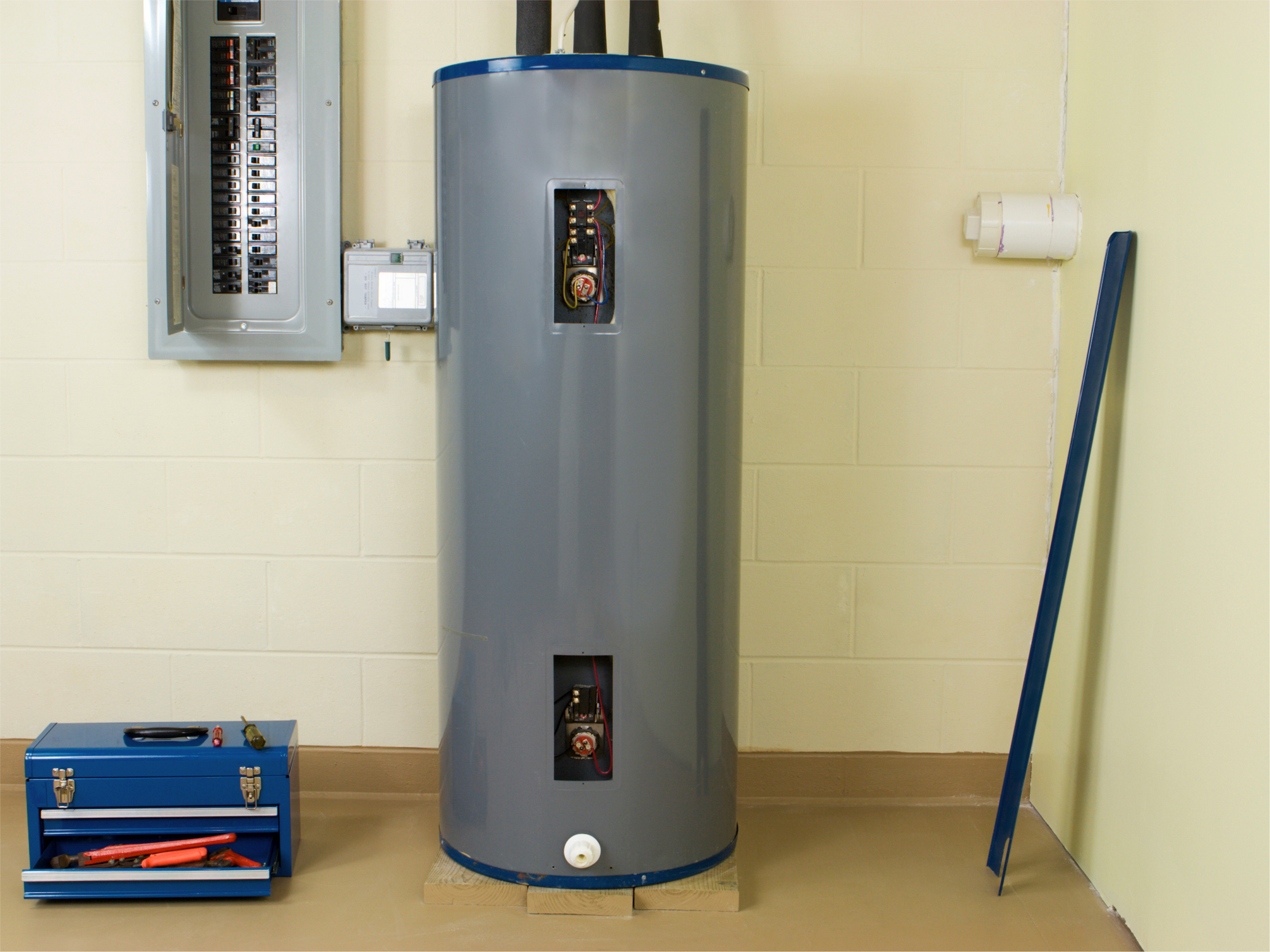
If there's no hot water anywhere in the house: The problem is your water heater, not the shower. Check that the pilot light is lit (gas heaters) or that the breaker hasn't tripped (electric heaters).
Why Is My Shower Water Cold But the Sink Is Hot?
When your shower's not getting hot water but other fixtures work fine, the problem is localized to the shower valve assembly. Here are the seven most common causes, ranked by how often we see them:
1. The Anti-Scald Valve Is Set Too Low
This is the number one reason your shower isn't getting hot, and most homeowners don't even know this device exists.
What it is: An anti-scald device (also called a hot limit stop or rotational limit stop) is a safety feature built into most modern shower faucets. It physically limits how far you can turn the handle toward hot water to prevent burns.
Why it causes cold showers: If the device is set too restrictively, either from the factory or by a previous homeowner, it prevents the valve from opening enough to let adequate hot water through. Your water heater is fine; the shower just won't let the hot water in.
Signs this is your problem: The handle stops turning before you expect it to. The water gets slightly warm but never hot. The problem has existed since you moved in or since a recent repair.
A plumber can adjust this in minutes, or you can do it yourself by removing the shower handle and rotating the plastic limit stop to allow more hot water flow.
2. A Faulty or Clogged Shower Cartridge
The shower cartridge sits inside your faucet and controls the mix of hot and cold water. Over time, it can wear out, become clogged with mineral deposits, or fail mechanically.
Signs of a bad cartridge: Temperature fluctuates unexpectedly during your shower. The handle feels hard to turn or "gritty." Water runs cold no matter how far you turn the handle. The faucet drips when the shower is off.
Cartridges are specific to your faucet brand. Moen, Delta, Kohler, and other manufacturers each use different designs. If cleaning the cartridge with vinegar doesn't help, replacement is usually the solution.
3. A Defective Mixing Valve
The mixing valve is the larger component behind your wall, with the cartridge inside. It blends hot and cold water to achieve your desired temperature.
When mixing valves fail: Internal parts corrode or wear out. Debris gets lodged inside, blocking the flow of hot water. Less commonly, the valve body itself cracks.
Signs of a bad mixing valve: Temperature swings wildly when other fixtures are used in other parts of the house. Lukewarm water is the best you can get. Water pressure seems lower than it should be.
Mixing valve replacement typically requires a plumber because the valve is behind the wall.
4. Why Your Shower Is Not Getting Hot Enough (Lukewarm Water)
If your shower water is warm but not hot enough, you're dealing with a slightly different problem than a completely cold shower.
Common causes of lukewarm shower water:
The anti-scald valve is partially restricting the flow of hot water. The cartridge is partially clogged or worn. Your water heater thermostat is set too low (should be 120°F to 140°F). Sediment has built up in the hot water line, reducing flow.
When "my hot water is only warm" describes your situation, start by checking the water heater temperature setting. If that's correct, the shower valve components are the next suspects.
5. Sediment Buildup in Pipes
Hard water leaves mineral deposits throughout your plumbing system. Over time, these deposits can partially block the hot water line leading to your shower.
Why showers are affected more than sinks: The shower is often the fixture farthest from the water heater, giving sediment more pipe length to accumulate. Shower valves also have smaller internal passages that clog more easily than sink faucets.
Signs of sediment buildup: Hot water has gradually decreased over months or years. Water pressure is lower on the hot side only. You see gritty particles in the water.
A plumber can flush the hot water lines. For Atlanta-area homes, a water softener can prevent future buildup.
6. Clogged Showerhead or Flow Restrictor
Mineral buildup in the showerhead itself can restrict flow enough to affect water temperature. Many modern showerheads also have flow restrictors that can become clogged.
How this affects temperature: When flow is heavily restricted, water moves more slowly through the pipes, losing heat along the way. The shower may feel lukewarm even when hot water is available at the valve.
To fix this, unscrew the showerhead, remove any flow restrictor, and soak the head in white vinegar overnight. If the showerhead is heavily calcified, replacing it may be easier than cleaning.
7. Low-Flow Showerhead with a Tankless Water Heater
If you have a tankless water heater and have recently installed a low-flow showerhead, this combination might be your problem.
Why it happens: Tankless water heaters only activate when they detect sufficient water flow. Most require a minimum of 0.5 to 0.75 gallons per minute. Ultra-low-flow showerheads (1.5 GPM or less) may not trigger the heater consistently, resulting in cold or fluctuating water.
Solutions: Install a showerhead with a higher flow rate (2.0 to 2.5 GPM). Remove the flow restrictor from your current showerhead. Have the tankless unit inspected to ensure the activation threshold is set correctly.
Hot Water Not Working in Shower: Quick Troubleshooting Checklist
Before calling a plumber, work through these steps:
Step 1: Verify it's only the shower. Test the bathroom sink's hot water, then the kitchen sink, then the other bathrooms if applicable.
Step 2: Check the easy fixes first. Clean the showerhead with vinegar. Check that your water heater temperature is set to 120°F to 140°F. For tankless systems, verify minimum flow requirements.
Step 3: If the sink works but the shower doesn't. The anti-scald device is the first thing to check. If adjusting it doesn't help, the cartridge or mixing valve likely needs attention.
When to Call a Plumber
Some shower hot water problems require professional help:
- You're not comfortable working on plumbing. There's no shame in this. Plumbing mistakes can cause water damage that costs far more than a service call.
- Adjusting the anti-scald device didn't help. The cartridge or mixing valve needs inspection and likely replacement.
- The cartridge replacement didn't solve it. The mixing valve may need to be replaced, which requires accessing the plumbing behind the wall.
- You have no hot water anywhere. This indicates a water heater problem rather than a shower problem.
- Water pressure is significantly reduced. This may indicate a pipe blockage or a larger plumbing issue that requires professional diagnosis.
How to Prevent Future Cold Shower Problems
A few maintenance habits can help you avoid cold shower surprises:
- Clean your showerhead regularly. Soak it in white vinegar every few months if you have hard water.
- Flush your water heater annually. Sediment buildup reduces heating efficiency and can migrate into pipes over time.
- Consider a water softener. Metro Atlanta has moderately hard water. Softening it prevents mineral buildup throughout your plumbing system.
- Don't ignore small temperature fluctuations. A cartridge that's starting to fail will give you warning signs before it fails completely.
Frequently Asked Questions
Why is my shower not getting hot water, but my sink is?
The most common causes are a misadjusted anti-scald device or a faulty shower cartridge. Both components are inside your shower valve, which is why other fixtures aren't affected. The anti-scald device is the first thing to check since it's often set too restrictively from the factory.
Can a bad shower cartridge cause no hot water?
Yes. The shower cartridge controls the mix of hot and cold water. When it wears out, becomes clogged with mineral deposits, or malfunctions, it can prevent hot water from flowing through, even when you turn the handle all the way to hot.
How do I adjust the anti-scald valve on my shower?
Remove the shower handle (usually one screw under a decorative cap), locate the plastic limit stop behind it, and rotate it to allow more hot water. Reinstall the handle and test. Adjust incrementally until you reach your desired maximum temperature.
Why is my shower water lukewarm but not hot?
Lukewarm water usually indicates a partially restricted anti-scald device, a failing cartridge, or a water heater thermostat set too low. If your water heater is set correctly (120°F to 140°F), focus on the shower valve components.
Why does my shower go cold when someone flushes the toilet?
This happens when your shower valve doesn't have pressure-balancing technology. When another fixture draws cold water, it temporarily reduces cold water pressure to the shower, making the mix hotter, then colder when pressure equalizes. Upgrading to a pressure-balancing valve solves this.
How long do shower cartridges last?
Quality shower cartridges typically last 15 to 20 years, though hard water can shorten this significantly. If your faucet is 10+ years old and you're having temperature issues, the cartridge is a likely culprit.
Get Your Hot Water Back
A cold shower disrupts your morning routine and can signal plumbing issues that may worsen over time. The good news is that most problems have straightforward solutions once you identify them.
If you've worked through the troubleshooting steps and still can't get hot water in your shower, Dalmatian Plumbing is here to help. With 25+ years serving the Atlanta metro area, a 4.9-star rating across 600+ Google reviews, and same-day service availability, our licensed technicians can quickly diagnose whether you need a simple cartridge replacement or a more involved repair.
We provide faucet and fixture repair throughout Kennesaw, Marietta, Sandy Springs, Dunwoody, and the entire Atlanta metro area.
Call 404-314-3993 to schedule service.