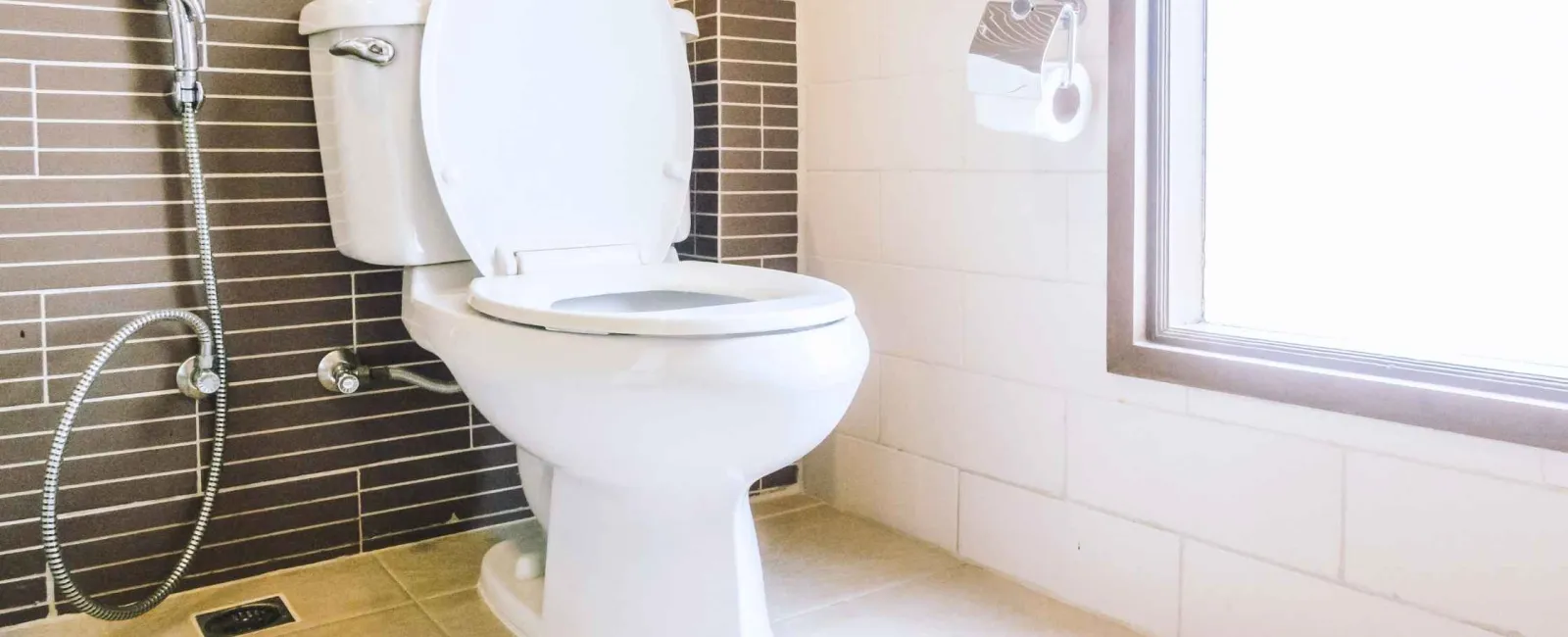
The wax ring beneath your toilet doesn't get much attention until something goes wrong. This simple ring of wax creates a watertight seal between your toilet and the drain pipe below, preventing both water leaks and sewer gases from entering your bathroom. When it fails, you can end up with water damage, health hazards, and expensive repairs.
Here are the five warning signs that your wax ring has failed, plus answers to common questions about caulking, replacement, and what causes wax rings to fail in the first place
3 Bad Wax Ring Symptoms to Watch For
1. Toilet Leaking at Base (Water Around the Toilet)
The most obvious sign of wax ring failure is water pooling around the base of your toilet, especially after flushing. This water is leaking from the broken seal between the toilet and the floor.
How to confirm it's the wax ring and not something else:
Clean up the water and dry the floor completely. Monitor the area throughout the day, particularly after flushing. If water returns after flushing and appears to come from beneath the toilet rather than from visible connections like the supply line, your wax ring has almost certainly failed.
The paper towel test: Dry the floor completely and place white paper towels snugly against the base of the toilet. Use the toilet normally for a day and check the towels periodically. Wet or discolored paper towels confirm a leak from below.
If the water is slightly discolored or has an odor, the leak is definitely from the wax ring since this is wastewater escaping past the seal.
2. Sewer Gas Smell in the Bathroom
A properly functioning wax ring doesn't just keep water in; it keeps sewer gases out. If you notice a persistent sewage smell in your bathroom, particularly near the toilet, the wax ring may have lost its airtight seal.
Sewer gas contains hydrogen sulfide and methane, which can cause headaches, nausea, and respiratory irritation. In high concentrations, the gases are also flammable, though this risk is low in residential settings.
Important: You may smell sewer gas even without visible water leaks. The wax can crack or dry out enough to allow gas through while still preventing liquid leaks, at least initially. If you smell sewage but don't see water, the wax ring is still the likely culprit and should be inspected.
3. Toilet Wobbles or Rocks
A wobbly toilet is both a symptom and a cause of wax ring problems.
Wax rings are designed to compress and form a seal when the toilet is set in place. Once compressed, they don't spring back; they permanently conform to fill the gap between the toilet and the flange. When a toilet rocks or shifts, it breaks that seal. Each movement can compress the wax unevenly or create gaps through which water and gas can escape.
Common causes of a wobbly toilet: Loose mounting bolts, a damaged or corroded toilet flange, uneven flooring, or a deteriorated wax ring.
The rock test: With the toilet lid down, carefully push against the toilet from different angles. A properly secured toilet with a good wax ring should feel completely solid and immovable. Any rocking motion means the seal is compromised or at risk.
Even if your wobbly toilet isn't leaking yet, it's only a matter of time. Address the wobble before it completely destroys the wax ring seal.
Why Do Wax Rings Fail?
Understanding what causes wax ring failure helps you prevent future problems:
- Toilet movement: This is the number one cause of wax ring failure. Every time the toilet rocks, shifts, or is bumped, it can break the seal. Loose mounting bolts allow the toilet to move enough to damage the wax.
- Improper installation: If the wax ring was the wrong size, positioned incorrectly, or if the toilet wasn't set properly on the first attempt, the seal may have been compromised from day one.
- Flange problems: The toilet flange is the pipe fitting that connects your toilet to the drain. If it's too high, too low, cracked, or corroded, the wax ring can't form a proper seal.
- Age and drying: Over decades, wax can dry out and lose flexibility. Most wax rings last 20 to 30 years under normal conditions, but movement or environmental factors can shorten this lifespan.
- Double-wax attempts: Stacking two wax rings to compensate for a low flange rarely works well. The layers can shift against each other, breaking the seal. A better solution is an extra-thick wax ring or flange repair.
How Long Do Toilet Wax Rings Last?
Under normal conditions, a quality wax ring lasts 20 to 30 years, often as long as the toilet itself. However, the lifespan depends heavily on installation quality and whether the toilet has remained stable over time.
Factors that shorten the life of a wax ring include frequent toilet rocking, bathroom floor settling, improper initial installation, and repeated removal and reinstallation of the toilet.
When to proactively replace: If you're already removing the toilet for any reason, such as remodeling, deep cleaning, or replacing the toilet, always install a new wax ring. They cost only a few dollars, and reusing an old ring is asking for problems since compressed wax won't re-seal properly.
Should You Caulk Around a Toilet?
This is a surprisingly controversial topic among homeowners and plumbers alike.
- Arguments for caulking: Many building codes actually require caulking around the toilet base. Caulk prevents water from mopping or cleaning, and prevents condensation from seeping under the toilet. It also keeps the toilet more stable and prevents debris from accumulating in the gap. A caulked toilet looks cleaner and more finished.
- Arguments against caulking: If the wax ring fails, caulking can hide the leak by preventing water from escaping visibly. This means water seeps into the subfloor instead, causing hidden damage before you notice a problem.
- The compromise solution: If you choose to caulk, leave a small gap at the back of the toilet (the side facing the wall). This allows any leak to become visible while still providing the benefits of caulking on the visible sides. Alternatively, use clear silicone caulk so discoloration from hidden moisture would be more noticeable.
Regardless of whether you caulk, periodically check for the other warning signs: odors, wobbling, and floor damage.
Can a Bad Wax Ring Cause Flushing Problems?
A bad wax ring typically does not cause flushing problems directly. The wax ring seals the connection between the toilet and the drain pipe; it doesn't affect the flushing mechanism inside the tank or the water flow through the bowl.
However, there are indirect connections to be aware of:
- Sewer line issues: If your toilet flushes slowly and you also have wax ring symptoms, the underlying cause might be a clogged or partially blocked drain line rather than the wax ring itself. The same blockage could cause backup pressure that damages the wax seal.
- Flange problems: A damaged flange that's causing wax ring failure could also be partially blocking the drain opening, affecting flush performance.
If you're experiencing both flushing problems and wax ring symptoms, have a plumber inspect the entire drain system, not just the wax ring.
Issues That Can Mimic Wax Ring Problems
Before assuming you need a new wax ring, consider these other potential causes of water around your toilet:
- Loose or corroded mounting bolts: The bolts that secure your toilet to the floor can loosen over time. This allows the toilet to rock and can sometimes allow water to seep out. A plumber can often fix this by tightening or replacing the bolts.
- Cracked or damaged toilet flange: If the flange is cracked, corroded, or set at the wrong height, even a new wax ring won't seal properly. Flange repair must happen before wax ring replacement will work.
- Leaking supply line: The water supply line connects to the bottom of your toilet tank. If the connection is loose or the line is damaged, water may drip, but it will be clean water coming from the wall connection, not from beneath the toilet.
- Condensation (tank sweating): In humid conditions, the cold water in your toilet tank can cause the tank exterior to "sweat." This condensation drips onto the floor and can look like a leak.
- Crack in the toilet base: Hairline cracks in the porcelain can allow water to escape. Run your hand around the base of the toilet bowl to check for any cracks or damage.
Wax Rings vs. Wax-Free Seals
Modern wax-free toilet seals are an alternative worth considering when replacing a failed wax ring.
- Traditional wax rings are inexpensive (typically $3 to $10) and have been proven effective for decades. However, they're a one-time-use item because you can't reposition the toilet once it's set, and they can soften with floor heating systems.
- Wax-free rubber seals are more expensive (typically $15 to $30) but offer cleaner installation, the ability to reposition if needed, and better tolerance for variations in flange height. They're particularly good for heated bathroom floors where wax might soften.
For most situations, either option works well when properly installed.
Frequently Asked Questions
How do I know if my toilet wax ring is leaking?
The most reliable signs are water pooling around the toilet base after flushing, persistent sewer gas odors, a wobbly toilet, or floor damage near the toilet. Use the paper towel test: dry the floor, place white paper towels against the toilet base, use the toilet normally, and check if they get wet.
How long do toilet wax rings last?
A quality wax ring typically lasts 20 to 30 years under normal conditions. However, toilet movement, improper installation, or flange problems can cause failure much sooner. If you're removing the toilet for any reason, always install a new wax ring.
Can a bad wax ring cause a sewer gas smell?
Yes. The wax ring seals against both water leaks and sewer gas. If the seal is broken, you may smell sewage in the bathroom even before you see any water leaking. Persistent bathroom odors near the toilet are a strong indicator of a failed wax ring.
Can a bad wax ring cause a toilet to wobble?
It works both ways. A deteriorated wax ring can contribute to instability, but more often, a wobbly toilet causes wax ring failure. The toilet moves and breaks the seal. Either way, a wobbly toilet with a bad wax ring needs both problems addressed.
Should I caulk around my toilet?
Many building codes require caulking. If you choose to caulk, consider leaving a small gap at the back (wall side) so any leak would be visible. This gives you the benefits of a clean appearance and stability while still allowing early leak detection.
Can I replace a toilet wax ring myself?
Wax ring replacement is a manageable DIY project if you're comfortable lifting the toilet (they weigh 60 to 100+ pounds) and working with plumbing. However, if the flange is damaged or at the wrong height, professional repair is needed before a new wax ring can seal properly.
Get Your Toilet Leak Fixed
If you're seeing signs of a bad wax ring, don't wait to address the problem. A small leak today can become major floor damage, mold growth, and expensive repairs if left unchecked.
At Dalmatian Plumbing, we specialize in toilet repair and installation, including wax ring replacements and flange repairs. With 25+ years serving the Atlanta metro area, a 4.9-star rating across 600+ Google reviews, and same-day service availability, our licensed technicians can quickly diagnose the problem and get your bathroom back to working order.
We serve Kennesaw, Marietta, Sandy Springs, Dunwoody, and the entire Atlanta metro area.
Call 404-314-3993 to schedule service.