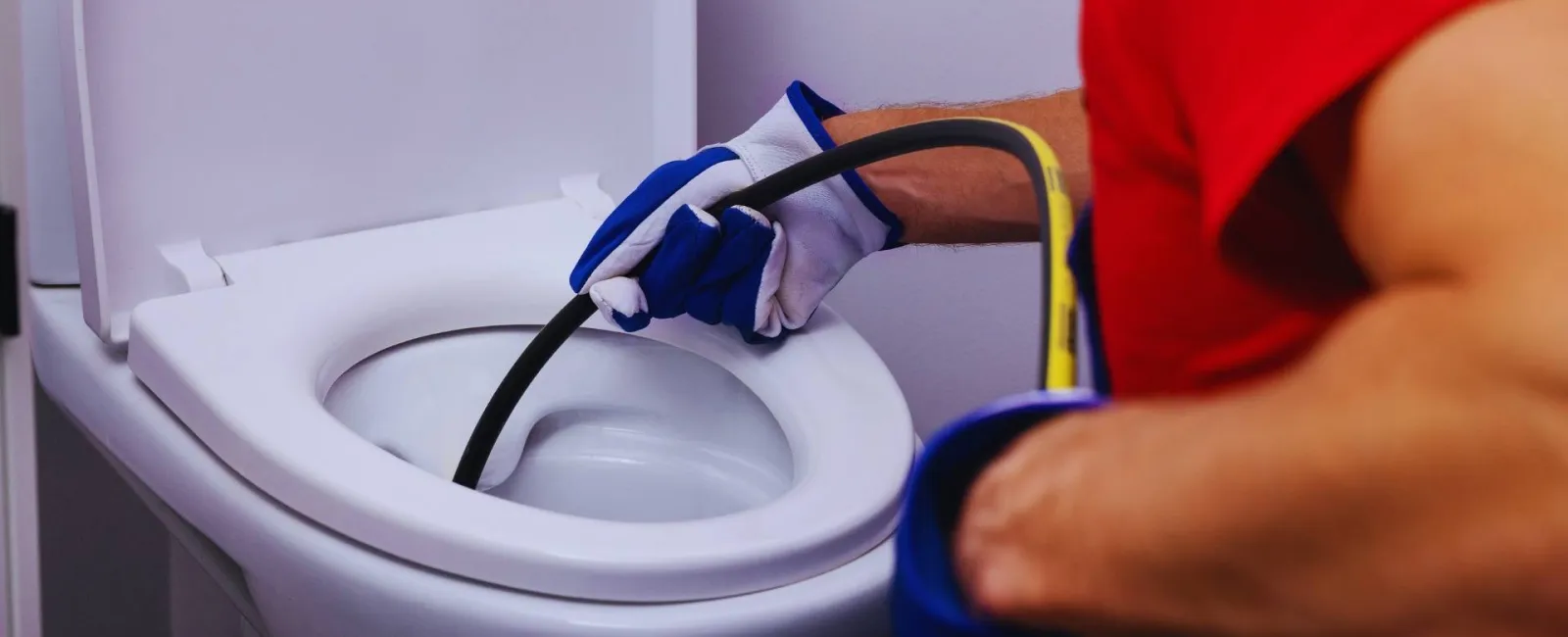
A toilet that clogs once is
annoying, but one that clogs every week (or multiple times per week) signals that something deeper is going on. If you find yourself reaching for the plunger
more often than not, there's a reason, and identifying it is the first step
toward actually fixing the problem.
After 25+ years of serving and handling thousands of drain calls, our licensed plumbers have identified clear patterns in what causes toilets to clog repeatedly. Some issues are simple fixes, but others indicate problems in your plumbing system that will worsen without professional attention. We'll walk through the seven most common reasons your toilet keeps clogging, ranked by how frequently we encounter them on service calls and getting a professional involved.
Quick Diagnostic Guide
Use this framework to narrow down what's causing your toilet to clog repeatedly:
- If only one toilet clogs and others work fine: The problem is likely toilet-specific. Check for non-flushable items, excessive toilet paper, an old low-flow model, or a blocked toilet trap (Causes #1-4).
- If multiple fixtures drain slowly or multiple toilets clog: The problem is likely in your drain system. Suspect a blocked vent, partial drain line blockage, or main sewer issue (Causes #5-7).
- If you hear gurgling from other drains when the toilet flushes: This indicates a venting problem or drain line obstruction creating pressure imbalances.
- If clogs resolve easily with a plunger but keep returning: A partial blockage downstream is likely catching material with each flush. The plunger clears the immediate backup but doesn't address the underlying restriction.
First: Is It a Toilet Problem or a Drain Line Problem?
Before diagnosing specific
causes, you need to understand a critical distinction that most online guides
skip, and it changes everything about how you approach the solution.
- Toilet-level problems involve the toilet itself or what's being flushed into it. These include excessive toilet paper, non-flushable items, weak flush pressure, or a partially blocked toilet trap. The blockage forms in or immediately around the toilet.
- Drain line problems involve your home's plumbing system beyond the toilet. These include partial blockages in the drain line, tree root intrusion, or main sewer issues. The blockage forms downstream, and the toilet is just showing the symptom.
- Here's why this matters: If only one toilet in your home clogs repeatedly while others work fine, you likely have a toilet-level problem. But if multiple fixtures drain slowly or if different toilets take turns clogging, you're dealing with a drain line problem that no amount of plunging will permanently fix.
With 75+ years of combined
plumbing experience, our team has learned that correctly identifying which type
of problem you're facing saves significant frustration and prevents you from
replacing a perfectly good toilet when the real issue is 30 feet down your
sewer line.
7 Reasons Your Toilet Keeps Clogging
1. Flushing Non-Flushable Items (30-35% of Cases)
The single most common reason
toilets clog repeatedly is flushing things that shouldn't go down a toilet.
What's happening: Toilets
are designed to handle human waste and toilet paper. Everything else, regardless
of packaging claims, has the potential to cause problems. Items like wipes,
feminine hygiene products, cotton balls, and paper towels don't disintegrate
like toilet paper. They accumulate in the toilet trap or drain line, creating
partial blockages that catch additional material with every flush.
The biggest offenders:
- "Flushable" wipes (they don't disintegrate, and this is the #1 culprit)
- Feminine hygiene products (tampons, pads)
- Cotton balls and cotton swabs
- Paper towels and facial tissues
- Dental floss (wraps around other materials and creates clumps)
The fix: Keep a trash
can with a lid next to every toilet. Make it a household rule: if it's not
human waste or toilet paper, it goes in the trash. For homes where this has
been happening for a while, professional
drain cleaning may be needed to clear accumulated debris from the line.
2. Too Much Toilet Paper (20-25% of Cases)
Even though toilet paper is
designed to be flushed, using too much at once can overwhelm the toilet's
ability to clear it in a single flush.
What's happening: When
large amounts of toilet paper enter the toilet trap, they compress into a mass
that partially blocks water flow. The toilet appears to flush normally, but
material accumulates with each use until a full clog develops. Thicker,
ultra-soft, and multi-ply toilet paper is more prone to this because it doesn't break apart as quickly in water.
Signs this is your issue:
- Clogs happen most often after heavy use
- Water rises higher than usual before slowly draining
- Plunging typically resolves the clog quickly
- You use premium, thick, or ultra-soft toilet paper
The fix: Use less toilet
paper per flush, or flush midway through if needed. Consider switching to a
thinner, faster-dissolving toilet paper. For households with children who tend
to use excessive amounts, address this directly.
3. Older Low-Flow Toilet (15-20% of Cases)
First-generation low-flow
toilets from the 1990s and early 2000s were designed to conserve water but
often sacrificed flushing power to do it.
What's happening: These
toilets use 1.6 gallons per flush or less, compared to 3.5+ gallons in older
models. Early low-flow designs simply reduced water volume without improving flushing, resulting in insufficient pressure to clear waste
effectively. Material that should be flushed completely instead gets pushed
partway into the drain, where it accumulates.
Signs this is your issue:
- Your toilet was installed between 1994 and 2005
- Flushes seem weak or incomplete
- You frequently need to flush twice
- Other newer toilets in the home don't have the same problem
The fix: Modern low-flow
toilets have vastly improved flushing technology. Today's models use just 1.28 gallons per flush while delivering stronger, more
effective flushes than those early designs. Getting a professional involved and upgrading to a modern toilet often
eliminates chronic clogging while still saving water.
4. Blocked Toilet Trap (10-15% of Cases)
Every toilet has a built-in
trap, an S-shaped passage inside the porcelain that holds water to prevent sewer
gases from entering your bathroom. This trap can become partially blocked.
What's happening: Objects
or accumulated material can get lodged in the toilet trap, creating a partial
obstruction that doesn't fully block flow but catches additional material with
each flush. Common culprits include children's toys, excessive toilet paper
buildup, or non-flushable items that didn't make it past the trap.
Signs this is your issue:
- Only one toilet clogs while others work normally
- Plunging helps temporarily, but the problem returns
- You hear gurgling when the toilet drains
- Water drains slowly, even when not fully clogged
The fix: A toilet auger
(closet auger) can reach into the trap to break up or retrieve obstructions
that a plunger can't dislodge. If augering doesn't resolve it, the toilet may
need to be removed to access the blockage directly. Our Atlanta
drain specialists have the tools to effectively diagnose and clear trap blockages.
5. Blocked Plumbing Vent (8-12% of Cases)
Your plumbing system includes
vent pipes that run from drains up through the roof. These vents allow air into
the system, enabling water to flow smoothly. When vents become blocked,
drainage problems follow.
What's happening: Vent
pipes can become blocked by leaves, bird nests, debris, or even ice during occasional winter freezes. Without proper venting, negative pressure
develops when water drains, creating a vacuum effect that slows flow and can
pull water out of traps. This makes toilets more prone to clogging and causes
gurgling sounds throughout your plumbing.
Signs this is your issue:
- Multiple fixtures drain slowly, not just one toilet
- Gurgling sounds from drains when other fixtures are used
- Sewer odors in bathrooms (water being siphoned from traps)
- The toilet bubbles when the shower or washing machine drains
The fix: Vent blockages
require accessing the roof to clear debris from the vent pipe opening. In some
cases, the blockage may be deeper in the vent system and require professional
equipment to locate and remove. This isn't a DIY job due to roof
access and the need to properly diagnose the vent system.
6. Partial Drain Line Blockage (5-8% of Cases)
Sometimes the problem isn't in
the toilet at all; it's further down the drain line. A partial blockage in the
drain line between your toilet and the main sewer can cause repeated clogging.
What's happening: Grease
buildup, accumulated debris, mineral deposits, or pipe damage can create a
narrowed section in your drain line. Water and waste still flow through, but
not freely. During heavy use, the material backs up and causes a clogged
toilet. The toilet works fine; it's the highway it empties into that has the
problem.
Atlanta-specific factor: Many
older homes may have original cast-iron drain lines from the
1920s-1960s. These pipes corrode internally over decades, creating rough
surfaces that catch debris and gradually narrow the pipe diameter.
Signs this is your issue:
- Multiple toilets or fixtures experience slow drainage
- Clogs happen more during high-use periods (mornings, evenings)
- Plunging resolves the immediate clog, but it returns within days
- You notice slow drains in the lowest-level fixtures first
The fix: Partial drain
line blockages require professional diagnosis, often with a sewer camera
inspection to identify the location and nature of the obstruction. Professional drain-cleaning services, including hydrojetting for stubborn buildup, can
clear the line. If the pipe is damaged, repair or replacement may be necessary.
7. Main Sewer Line Issues (3-5% of Cases)
The most serious cause of
repeated toilet clogs involves your main sewer line, the pipe that carries all
wastewater from your home to the municipal sewer or septic system.
What's happening: Tree
root intrusion is the most common main sewer issue in Atlanta. Roots seek
moisture and nutrients, and even tiny cracks in sewer pipes provide entry
points. Once inside, roots grow and expand, catching debris and eventually
blocking flow. Other mainline issues include pipe collapse, bellied sections
(sagging pipes that collect waste), and major blockages caused by accumulated
grease.
Signs this is your issue:
- All drains in the home are affected, not just toilets
- Water backs up in unexpected places (the shower drain when the toilet flushes)
- Sewage odors in the yard or basement
- Wet spots or unusually green patches in the lawn
- Large trees are located near your sewer line path
The fix: Main sewer line issues require a professional camera inspection to accurately diagnose. Solutions range from hydro jetting to clear roots and debris to trenchless pipe repair for damaged sections. Our drain cleaning and sewer services include camera inspection to identify exactly what's happening in your lines.
When to Call a Licensed Plumber
Some toilet clogs are
straightforward DIY fixes. Others indicate problems that will worsen without
professional intervention. Contact our
licensed Atlanta plumbers if:
- The same toilet clogs more than once per week despite behavioral changes
- Multiple fixtures in your home drain slowly
- You notice sewage odors inside or outside your home
- Plunging and augering don't resolve the problem
- Water backs up in unexpected locations
- Your home has older cast-iron drain pipes
With 75+ years of combined
plumbing experience and more than two decades serving metro Atlanta, our team
diagnoses drain and toilet issues accurately and recommends solutions that
address the actual problem, not just the symptoms.
The Bottom Line
When your toilet keeps clogging, flushing non-flushable items (30-35%) and excessive toilet paper (20-25%) account for more than half of the cases we diagnose. The key is distinguishing between toilet-level problems (affecting one fixture) and drain system problems (affecting multiple fixtures). This distinction determines whether you need to change household habits, replace a toilet, or address something deeper in your plumbing system.
If your toilet keeps
clogging despite your best efforts, contact
Dalmatian Plumbing for professional drain cleaning and diagnosis. We serve
homeowners throughout metro Atlanta with honest assessments and effective
solutions.
Frequently Asked Questions
Are "flushable" wipes actually safe to flush?
No. Despite marketing claims,
flushable wipes don't disintegrate like toilet paper. They're the single most
common cause of clogged toilets we encounter. These wipes may disappear from
your bowl, but they accumulate in drain lines and cause blockages. Only human
waste and toilet paper should be flushed.
Should I replace my toilet if it keeps clogging?
It depends on the cause. If you
have an older low-flow toilet from the 1990s-2000s with weak flushing power, a
new toilet can solve the problem. But if the issue is in your drain line or
main sewer, a new toilet won't help; the problem is downstream. Proper diagnosis
before replacement saves money and frustration.
How often should I have my drain lines cleaned?
For homes without recurring issues, drain cleaning every 2-3 years helps prevent buildup. Homes with older pipes, large trees near sewer lines, or a history of clogs may benefit from annual cleaning. If you're experiencing repeated toilet clogs, having your drain lines professionally cleaned and inspected can identify developing problems before they become emergencies.