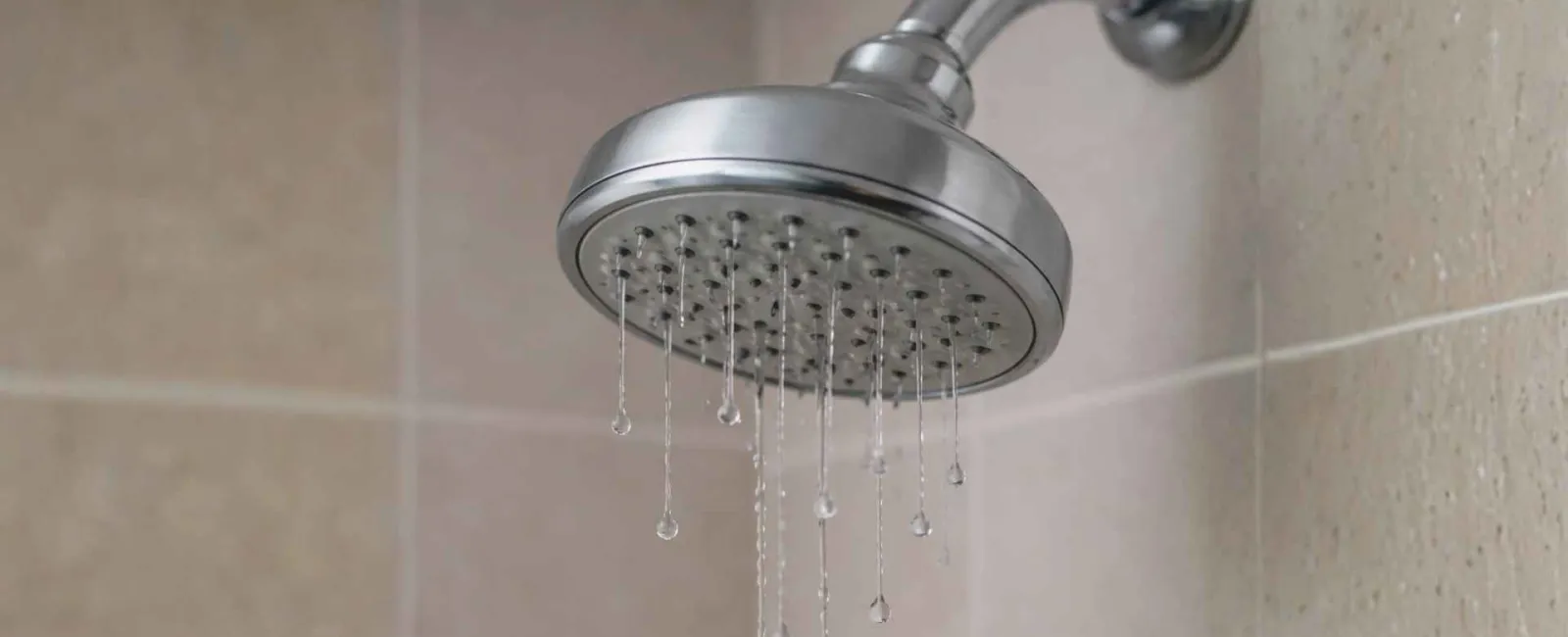
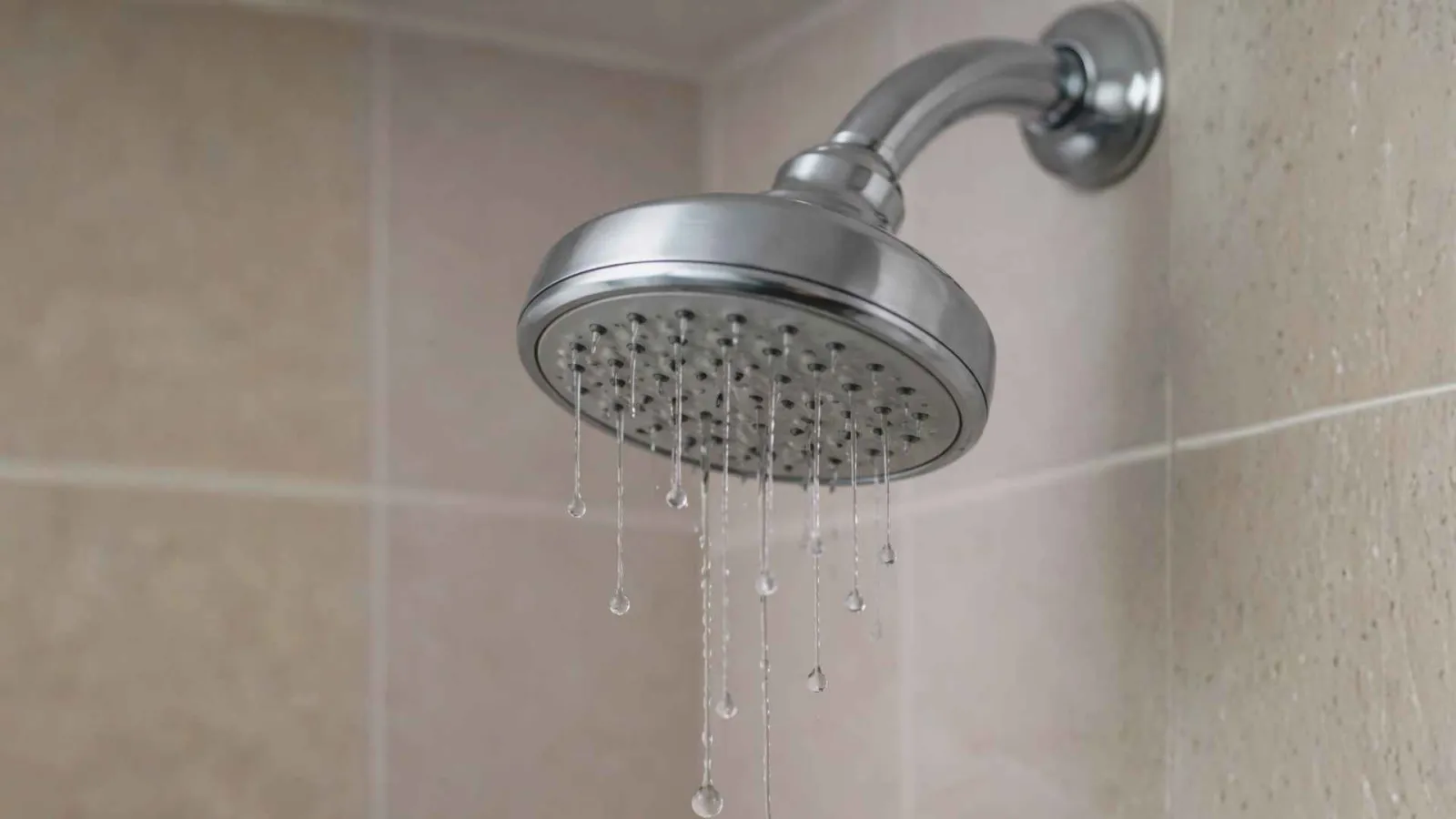
You turn on the shower and get a weak trickle instead of a strong stream, or maybe your kitchen
faucet suddenly takes forever to fill a pot. When water pressure drops
unexpectedly, everyday tasks can become frustrating, and the problem rarely resolves on its own.
After 25+ years of diagnosing
plumbing problems, our licensed plumbers have identified
clear patterns in what causes sudden low water pressure. Some issues are simple, but others indicate serious problems that need
professional attention before they cause water damage or higher utility bills.
Below, we'll walk through the
six most common causes of low water pressure, ranked by how often we encounter
them on low water pressure service calls.
What's Normal Water Pressure?
Before troubleshooting, it
helps to know what you're aiming for. Normal residential water pressure ranges from 40 to 60 pounds per square inch (psi). You can test your home's
pressure with an inexpensive gauge that attaches to an outdoor spigot or washing
machine connection; they're available at any hardware store for under $15.
Pressure below 40 psi will feel
noticeably weak. Above 80 psi can actually damage your plumbing and appliances
over time. If your reading falls outside the 40-60 psi range, one of the causes
below is likely responsible.
Quick Diagnostic: Where Should You Start?
Use these questions to narrow down the cause:
- Is pressure low at just one fixture? Check the aerator or showerhead for mineral buildup (Cause #1), and verify the fixture's shutoff valve is fully open (Cause #2).
- Is the pressure low only with hot water? The issue is almost certainly your water heater (Cause #3). Check the inlet valve first, then consider flushing or scheduling water heater service.
- Is the pressure low throughout the house? Check your main shutoff valve (Cause #2), then consider pressure regulator failure (Cause #4) or municipal issues (Cause #6).
- Did pressure drop suddenly vs. gradually? Sudden drops usually indicate problems with valves, regulators, or the municipal system. Gradual decline suggests pipe corrosion or buildup (Cause #5).
- Are neighbors affected too? If yes, it's a municipal issue (Cause #6). If only your home is affected, the problem is in your plumbing system.
6 Causes of Sudden Low Water Pressure
1. Clogged Aerators or Showerheads
The most common cause of low
water pressure, and the easiest to fix, is mineral buildup in your fixtures. This
is especially prevalent in areas with hard water, which includes much of metro
Atlanta.
What's happening: Faucet
aerators (the small screens at the tip of your faucet) and showerheads
accumulate calcium, lime, and other mineral deposits over time. These deposits
gradually restrict water flow, making it seem like your pressure has dropped even though the supply is fine.
Signs this is your issue:
- Low pressure affects only one or two fixtures
- Water sprays unevenly or in odd directions
- Visible white or greenish buildup on fixture surfaces
- Pressure is fine at other faucets in the house
The fix: Unscrew the
aerator or showerhead and soak it in white vinegar overnight. For stubborn
deposits, use a small brush to scrub the screen. If cleaning doesn't restore
flow, replacement aerators cost just a few dollars. If multiple fixtures need
attention or you're unsure how to remove them without causing damage, our faucet
and fixture repair team can help.
2. Partially Closed Shutoff Valve
A surprisingly common cause of
sudden low pressure is a valve that's not fully open, often after recent
plumbing work, a home inspection, or even accidental bumping.
What's happening: Your
home has two main shutoff valves: the main water valve (usually near your water
meter or where the main line enters your house) and the water meter valve
(controlled by the utility company). Individual fixtures also have their own
shutoff valves underneath sinks and behind toilets. If any of these valves
isn't fully open, it restricts water flow to part or all of your home.
Signs this is your issue:
- Low pressure started after plumbing repairs, an inspection, or renovation work
- Pressure is low throughout the house (main valve) or at specific fixtures (local valves)
- No other symptoms like leaks or unusual sounds
The fix: Check your main
shutoff valve and turn it fully counterclockwise (for gate valves) or align the
handle parallel to the pipe (for ball valves). Do the same for any
fixture-specific valves where you're experiencing low pressure. This is a free
fix that takes just minutes.
3. Water Heater Problems
If low pressure affects only hot water while cold water flows normally, the problem is almost
certainly related to your water heater.
What's happening: Over
time, sediment from your water supply settles at the bottom of your water
heater tank. In areas with hard water, like much of Atlanta, this buildup
accelerates. As sediment accumulates, it reduces the tank's capacity and can
partially block the hot water outlet, restricting flow. The water heater's
inlet and outlet valves can also become partially closed or develop mineral
buildup.
Signs this is your issue:
- Low pressure only when using hot water
- Cold water pressure is completely normal
- Water heater is more than 8-10 years old
- You hear popping or rumbling sounds from the water heater
- Hot water runs out faster than it used to
The fix: First, check
that the shutoff valve at the cold-water inlet to your water heater is fully
open. If pressure is still low, the tank likely needs to be flushed to remove
sediment, a maintenance task that should be done annually but is often
overlooked. For tanks with significant buildup or units older than 10 years, replacing the water heater may be more cost-effective than repeated repairs.
4. Faulty Pressure Regulator
Many Atlanta homes, especially
those built in the last 30-40 years, have a pressure regulator (also called a
pressure-reducing valve or PRV) installed where the main water line enters the
house.
What's happening: Pressure
regulators are designed to reduce high municipal water pressure to a safe level
for your home's plumbing. When these devices fail, which typically happens after
10-15 years, they can either stick closed (causing low pressure) or fail open
(causing dangerously high pressure). A failing regulator often causes sudden,
whole-house pressure changes.
Signs this is your issue:
- Pressure dropped suddenly throughout the entire house
- No recent plumbing work or obvious cause
- Your home has a bell-shaped device on the main water line near the meter
- Pressure fluctuates unpredictably
The fix: Pressure
regulators can sometimes be adjusted using the screw on top of the valve, but
this requires knowing your target pressure and understanding how the adjustment
works. If the regulator has failed internally, it needs to be replaced, a job that
requires shutting off water to the entire house and working on the main line.
This is typically a professional repair.
5. Pipe Corrosion or Buildup
In older homes, corroded or clogged pipes are a
significant cause of low water pressure.
What's happening: Galvanized
steel pipes, commonly installed in homes built before the 1970s, corrode from
the inside out over decades. Corrosion creates a rough interior surface that traps minerals and debris, gradually narrowing the pipe diameter.
Eventually, what started as a 3/4-inch pipe might have an effective opening of
just 1/4 inch or less.
Signs this is your issue:
- Your home is 50+ years old with original plumbing
- Pressure has declined gradually over months or years
- Discolored water (rusty or brownish) when you first turn on faucets
- Visible corrosion on exposed pipes
The fix: Unfortunately,
there's no way to unclog corroded pipes; they need to be replaced. Modern
repiping uses copper or PEX (cross-linked polyethylene), both of which resist
corrosion and maintain good flow for decades. While repiping is a significant
investment, it permanently solves the pressure issue and often improves water quality.
6. Municipal Water Supply Issues
Sometimes the problem isn't in
your home at all; it's with the water supply coming to your property.
What's happening: Municipal
water systems occasionally experience pressure drops due to water main breaks,
high demand periods, hydrant flushing, or maintenance work. In metro Atlanta, during hot summer months, pressure can drop during peak usage, especially in areas at higher elevations or at the ends of distribution lines.
Signs this is your issue:
- Neighbors are experiencing the same problem
- Pressure dropped at the same time throughout the neighborhood
- You notice water department trucks or crews working nearby
- Pressure is lower during early morning or evening peak usage times
The fix: Contact your water utility to report the issue and ask about any known problems in your area. If municipal pressure is chronically low, a plumber can install a pressure booster system to increase the water pressure at your home.
When to Call a Plumber
While cleaning aerators and
checking valves are easy DIY tasks, some water pressure problems require
professional diagnosis and repair. Contact a licensed plumber if:
- Low pressure persists after checking valves and cleaning fixtures
- You suspect a problem with your pressure regulator or main water line
- Your water heater needs flushing or service
- You notice signs of leaks (unexplained wet spots, mold, or high water bills)
- Your home has old galvanized pipes that may need replacement
- Multiple faucets or fixtures need repair or replacement
Attempting repairs on your main
water line, pressure regulator, or water
heater without proper knowledge can lead to flooding, water damage, or
voided warranties. A professional can diagnose the exact cause and recommend
the most cost-effective solution.
The Bottom Line
Sudden low water pressure is
frustrating, but it's almost always fixable. Clogged fixtures (30-35%) and
partially closed valves (20-25%) account for over half of the cases we see, and
both are often simple fixes. Water heater issues, faulty pressure regulators,
pipe corrosion, and municipal problems make up the rest.
Start by checking the simple
things: clean your aerators, verify your valves are open, and test whether the
problem affects hot water, cold water, or both. If those steps don't restore
your pressure, or if you prefer a professional diagnosis from the start, our
Atlanta plumbing team is here to help.
Dealing with persistent low
water pressure? Contact Dalmatian Plumbing for expert diagnosis and repair.
Whether you need faucet
and fixture service, water
heater maintenance, or a full plumbing evaluation, we serve homeowners
throughout metro Atlanta with honest assessments and effective solutions.
Frequently Asked Questions
Can a water leak cause low water pressure?
Yes, a significant leak can
cause low pressure throughout your home because water is escaping before it
reaches your fixtures. Signs of a hidden leak include unexplained wet spots on
walls, floors, or ceilings; the sound of running water when nothing is on;
unusually high water bills; and your water meter spinning when no water is
being used. If you suspect a leak, it's important to locate and repair it promptly to prevent water damage and mold growth.
How do I increase water pressure in my shower?
Start by removing the showerhead and soaking it in white vinegar overnight to dissolve mineral buildup. If that doesn't improve flow, check whether your showerhead has a built-in flow restrictor that can be removed (check the manufacturer's instructions). Also, verify that the shower shutoff valve is fully open. If pressure is still low after these steps, the issue may be with your home's overall water pressure or the pipes leading to the bathroom.