You turned on the shower and
waited, and waited, but the water just stayed cold. Or maybe you noticed the hot water in the shower was gradually
getting less hot over a few days before the warmth disappeared entirely. Either
way, you're now without hot water in your house, and that's a problem you want answered, and fast.
In nearly every case, the
culprit is your water heater. Whether you have a gas or electric unit, there
are a handful of well-known failure points that our technicians see
repeatedly. We will walk you through the most likely causes based on your water
heater type, so you can get an idea of what may be going on, so you can make a call to Dalmatian Plumbing and have an informed conversation with our plumber, and they can have an idea of what exactly you're dealing with before they show up at your door.
No Hot Water with a Gas Water Heater: Common Causes
Gas water heaters rely on a chain of components working together: the burner, the pilot light, the thermocouple, and the gas valve. When any one of them fails, hot water production stops. Here are the
causes our technicians find most often:
Pilot Light Has Gone Out
Older gas water heaters use a
standing pilot light, a small continuous flame that ignites the burner when
the thermostat calls for heat. If that flame goes out, the water heater stops
heating entirely. Drafts, a momentary gas supply interruption, or a faulty
thermocouple can all cause the pilot to extinguish.
You can often tell the pilot is
out by looking through the inspection window on the front of the tank, no
flame visible. Newer units use electronic ignition instead and won't have a
visible pilot, so if yours is a newer model, a different component is likely at
fault.
Failed Thermocouple
The thermocouple is a safety
sensor that detects whether the pilot light is burning. If it senses no flame,
it shuts off the gas supply to prevent a dangerous buildup of gas. A thermocouple
that's worn out, corroded, or has drifted out of position in the pilot flame
will shut off gas flow even when everything else is functioning correctly,
leaving you with no hot water despite nothing else being visibly wrong.
Thermocouple failure is one of
the most common gas water heater repairs we perform on Atlanta homes,
particularly in units that are 6-10+ years old. It's a relatively
straightforward repair for a licensed plumber.
Faulty Igniter, Gas Valve, or Gas Supply Issue
Modern gas water heaters use
electronic ignition rather than a standing pilot. If the igniter fails, the
burner won't light. Separately, the gas valve itself can fail, preventing gas
from reaching the burner, even if the pilot or igniter appears to be functioning.
In rarer cases, the gas supply
to the water heater may be interrupted, either by an accidentally turned-off shutoff valve or by a broader gas service issue. If you suspect a
gas leak (a sulfur or rotten-egg smell), leave your home immediately and call
your gas provider. For all other gas water heater issues, our Atlanta water heater repair team can diagnose
the exact component causing the failure.
No Hot Water with an Electric Water Heater: What to Know
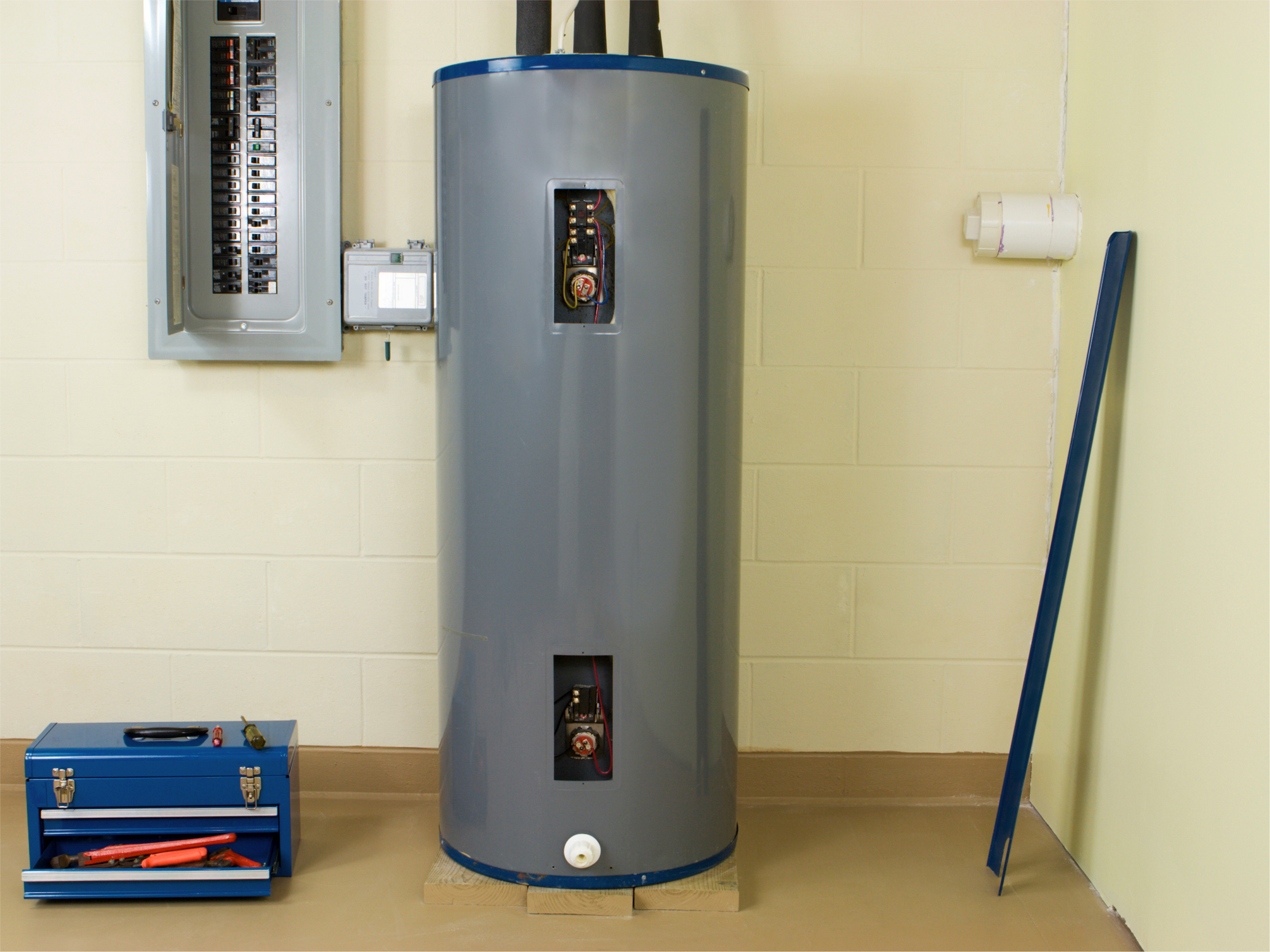
Electric water heaters heat
water using one or two heating elements, metal components that work similarly
to the heating coil in an oven. They're controlled by thermostats and protected
by safety cutoffs. Here's what typically goes wrong:
Tripped Circuit Breaker
Electric water heaters draw
significant power, typically 240 volts, and are on a dedicated circuit. A
power surge, temporary overload, or electrical issue can trip the breaker,
cutting power to the unit completely. When that happens, the water heater stops
heating, and once you've used up whatever hot water was already in the tank,
you'll have nothing left.
If your breaker is tripped and
resets without immediately tripping again, the unit may resume normal
operation. However, if the breaker trips repeatedly, that's a sign of an
underlying electrical problem with the water heater that needs professional
attention, not just a reset.
Failed Heating Element
Most standard electric water
heaters have two heating elements, an upper and a lower. The upper element
heats a smaller portion of water at the top of the tank for quick recovery; the
lower handles the bulk of the tank volume. When just one element fails, you may
still get some hot water, but it runs out very quickly. When both fail, you get
nothing.
Heating element failure is the
most common reason for no hot water in electric water heaters. Sediment buildup
in the tank significantly accelerates element burnout, which is why homeowners with older tanks often need more frequent repairs. If your unit is
producing lukewarm water that runs out almost immediately, a failed lower
element is the most likely culprit. Our water heater services team can quickly test and confirm element failure.
Tripped High-Temperature Limit Switch
Electric water heaters have a
safety device called a high-temperature limit switch (sometimes called the
emergency cutoff or ECO). It's designed to shut down the heater if the water
temperature climbs to a dangerous level. Power surges, a faulty thermostat that
allows the water to overheat, or an electrical spike can trip this switch even
when the water is at normal temperatures.
When the limit switch trips, the
water heater shuts off completely until it's reset. The switch is located
behind an access panel on the side of the tank. Repeated tripping is not normal
and indicates a thermostat or wiring issue that requires professional diagnosis. Repeatedly resetting the switch without fixing the root cause is a
safety risk.
Causes That Apply to Both Gas and Electric Water Heaters
Heavy Sediment Buildup Inside the Tank
Atlanta's water supply carries
dissolved minerals, primarily calcium and magnesium, that settle as sediment
on the bottom of the tank over time. In gas units, sediment forms a layer
between the burner and the water, dramatically reducing heating efficiency. In
electric units, sediment buries the lower heating element, causing it to
overheat and burn out prematurely.
Sediment buildup typically
causes gradual worsening of hot water performance before eventually leading to a complete failure. Signs include a popping or rumbling sound from the tank during
heating cycles, water that doesn't get as hot as it used to, and faster-than-normal
hot water depletion. Annual flushing by a licensed plumber can significantly
extend tank life.
The Water Heater Has Reached the End of Life
Standard tank water heaters,
both gas and electric, have an average lifespan of 8 to 12 years. As they age,
components wear out more frequently, the anode rod (which protects the tank
lining from corrosion) depletes, and internal rust can begin to develop. At a
certain point, repairs stop making economic sense.
If your water heater is
approaching or past 10 years old and you're now experiencing a complete loss of
hot water, it may be more cost-effective to replace the unit than repair it. A professional water heater diagnosis will tell
you whether you're dealing with a repairable component failure or a unit that
has reached the end of its service life.
Tank That's Too Small for Your Household's Demand
If your household has grown since the water heater was installed, with more people, more showers, and more simultaneous hot water use, the existing tank may simply not have enough capacity to keep up with demand. This isn't technically a failure; it's an
undersizing problem. You'll get hot water, but it runs out quickly, and the
recovery time feels inadequate.
The solution is either upgrading
to a larger tank or switching to a tankless system, which heats water on demand
and eliminates the storage limitation entirely. Tankless units are an
increasingly popular upgrade among Atlanta homeowners dealing with this exact
problem.
When Should You Call a Plumber for No Hot Water?
The honest answer: most
no-hot-water situations call for a plumber. Here are the specific scenarios
where you should reach out right away:
- You have no hot water at all, from any fixture in the house
- Hot water runs out much faster than it used to
- You notice water pooling or moisture around the base of the water heater
- The water heater is making popping, rumbling, or banging sounds
- Your unit is 10+ years old and experiencing a new failure
- The circuit breaker for the water heater keeps tripping
- You smell sulfur or rotten eggs near a gas water heater (call your gas company first, then a plumber)
These symptoms are rarely a sign of something minor. Waiting
typically means more extensive damage, higher repair costs, or a complete unit
failure at the worst possible time.
Atlanta's No Hot Water Specialist: Dalmatian Plumbing
With over 75 years of combined
technician experience and 25+ years of service in metro Atlanta, Dalmatian Plumbing
has diagnosed and resolved every water heater failure scenario we described. We work on all major brands of gas and
electric water heaters, including tankless systems, and carry common parts on
our service vehicles to resolve most issues in a single visit.
Whether your issue is a failed
thermocouple, a burned-out heating element, heavy sediment buildup, or a water
heater that's simply reached the end of its life, our water heater repair and replacement team will
give you a clear, honest diagnosis and your options, no pressure, no
guesswork.
We serve Marietta,
Lawrenceville, Alpharetta, Smyrna, Kennesaw, Powder Springs, Acworth,
Doraville, and surrounding Atlanta communities. Contact Dalmatian Plumbing to
schedule a water heater service call and get your hot
water back today.