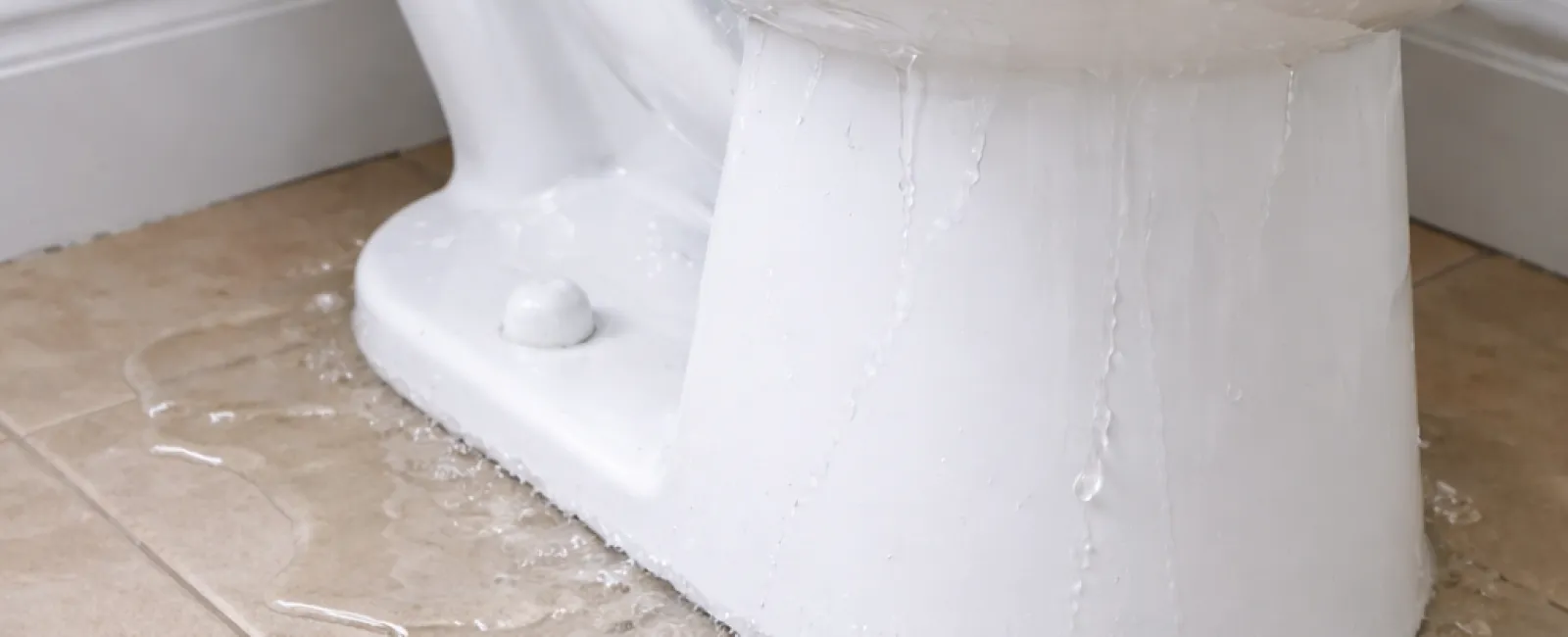
Finding water pooled around the
base of your toilet is one of those plumbing problems that homeowners tend to
dismiss, at least the first time it happens. It's easy to assume it was a
splash, a drip from somewhere else, or condensation. But if you're noticing it
repeatedly, or consistently after every flush, your toilet is giving you a
clear warning: something has failed in the seal between your toilet and the
floor.
A toilet leaking at the base
isn't just a nuisance. Left unaddressed, it introduces wastewater to your
bathroom floor, subfloor, and the structure beneath, creating conditions for
mold growth, wood rot, and costly structural damage. The longer it goes, the
more expensive the repair becomes.
After 25+ years of diagnosing
plumbing problems across metro Atlanta, the technicians at Dalmatian Plumbing
have identified the most common causes of a leaking toilet base. Here's what each
one looks like, and what it means for your home.
First: Is It Actually a Leak, or Is It Condensation?
Before assuming the worst, it's
worth ruling out condensation. During humid summer months, the
outside of a toilet tank and bowl can collect enough moisture to drip down to
the floor, particularly in bathrooms without good ventilation. This is
sometimes called "toilet sweating" and is not a plumbing failure.
Here's how to tell the
difference: dry the floor completely, then flush the toilet and watch closely.
If water appears at the base within the first one or two flush cycles, it's a
leak, not condensation. If the moisture only appears gradually over an hour or
more, and you notice it's worse in hot weather, condensation is the more likely
explanation.
Any water that appears
immediately or shortly after flushing should be treated as a genuine leak until
a plumber confirms otherwise.
6 Reasons Your Toilet Is Leaking at the Base
1. Failed or Worn Wax Ring Seal
The wax ring is a soft,
compressible seal positioned between the bottom of the toilet and the floor
flange, the fitting that connects your toilet to the drain pipe. Its job is to
create a watertight, airtight barrier so that wastewater flows directly into the drain without escaping. When it works correctly, you never know it
exists.
A wax ring that has dried out,
compressed unevenly, or was installed improperly will allow water to seep past
the seal with every flush. This is the single most common cause of a toilet
leaking at the base, and it accounts for the majority of calls our Atlanta
toilet repair technicians receive on this issue.
Wax ring failure is almost
always gradual; you may notice only a small amount of water at
first, which worsens over time. The leak typically appears directly after
flushing. Because the water that escapes is wastewater from the drain, wax ring
leaks carry a sanitation risk and should not be left unrepaired.
2. Loose or Corroded Tee Bolts
Two bolts, called closet bolts
or tee bolts, anchor the toilet to the floor flange and hold it firmly in
position. If these bolts loosen over time (which happens naturally with use), the toilet develops a slight rocking or wobbling. That movement, even if
barely perceptible, shifts the toilet slightly with each flush and gradually
breaks the wax ring seal.
You can often detect this cause
by gently trying to shift the toilet side to side when seated on it; any
movement is a sign the bolts need attention. Tee bolts can also corrode and
break entirely, particularly in older homes or bathrooms with high humidity. A
broken bolt leaves the toilet effectively unanchored on one side.
A rocking toilet that is also
leaking at the base should be considered an urgent repair. The longer it rocks,
the more damage accumulates to the wax ring and flange beneath. Our toilet repair team can resecure the toilet and
replace the wax ring in a single service visit.
3. Cracked or Damaged Toilet Flange
The toilet flange, also called
a closet flange, is the ring-shaped fitting that sits at floor level and
connects the toilet drain to the sewer pipe below. A flange that is cracked,
corroded, or at the wrong height (too low or too high) will prevent a proper
seal, no matter how new the wax ring is.
Flange problems are more common
in older Atlanta homes with cast iron or galvanized plumbing, where corrosion
can structurally compromise the fitting over decades. A cracked flange under the toilet can be almost impossible to detect without lifting the toilet, which is one of the reasons a toilet that "keeps leaking even after the
wax ring was replaced" often has a flange as the real culprit.
Flange repair or replacement is
not a surface-level fix. It typically requires removing the toilet, cutting
into the floor if necessary, and correctly seating the new flange at the proper
height before reinstalling. This is work that requires a licensed plumber.
4. Supply Line Dripping Down to the Base
Not every puddle at the base of
a toilet originates from the base itself. A slow drip from the water supply
line, the hose connecting the wall shutoff valve to the toilet tank, can run
down the outside of the toilet and collect on the floor directly around the
base, making it look like a base leak when the problem is actually above.
Supply lines develop drips at
the connection points when washers wear out or fittings loosen. To check for
this, dry the floor and wipe down the supply line and tank connections, then
watch for moisture appearing at those upper points before it reaches the floor.
If the supply line is the source, the fix is relatively straightforward, but
it still needs to be addressed to prevent water damage to the cabinet or
flooring underneath.
5. Cracked Toilet Bowl or Base
Porcelain toilets are durable
but not indestructible. A hairline crack in the bowl, particularly around the
base or at the point where the porcelain meets the floor, can allow water to
seep out with each flush. These cracks can be difficult to see with the naked
eye, especially if they are hidden under the toilet base or on the back of the
bowl.
A cracked toilet bowl almost
always requires full toilet replacement. Unlike other causes of a leaking base,
there is no seal or component repair that resolves a structural crack in the
porcelain. If your toilet is more than 15-20 years old and shows a base leak
that persists after wax ring replacement, a hairline crack in the porcelain is
worth investigating.
When a toilet needs to be
replaced, it's also an opportunity to upgrade to a more efficient model. Our toilet installation specialists can
help you select the right unit for your bathroom and complete the installation
correctly from the start.
6. Drain Line Pressure Backup
In some cases, the leak at the
toilet base isn't caused by the toilet itself; it's caused by pressure in the
drain line beneath it. A partial blockage in the main drain or a sewer line
issue can create pressure buildup that forces water back past the wax ring seal
from below. This is a less common cause but an important one to be aware of,
particularly if the leak appears suddenly in a toilet that was previously
functioning normally.
Drain line pressure leaks are
often accompanied by other symptoms, such as slow draining elsewhere in the house,
gurgling sounds from drains, or sewer odor in the bathroom. If any of these
accompany your toilet's base leak, the problem is likely deeper in the plumbing
system and warrants a full drain inspection in addition to the toilet repair.
Why a Leaking Toilet Base Shouldn't Wait
Every flush that sends water
past a failed seal is introducing wastewater, not clean water, to the area
beneath and around your toilet. Over days and weeks, this creates the perfect
conditions for several types of secondary damage that are far more expensive to
repair than the original toilet issue:
- Subfloor rot: Water that penetrates past the bathroom tile or vinyl can saturate the wood subfloor beneath, causing it to soften and eventually fail structurally. Subfloor replacement is a major renovation job.
- Mold and mildew: Persistent moisture in a dark space creates an ideal environment for mold growth. Bathroom mold can spread to wall cavities and framing, creating health risks and requiring professional remediation.
- Finished floor damage: Tile grout and wet vinyl flooring will eventually crack, stain, and separate. What started as a toilet repair can quickly become a full bathroom floor replacement.
- Sewer gas exposure: A failed wax ring doesn't just let water out; it lets sewer gases in. Hydrogen sulfide and other gases that escape through a broken seal are at least unpleasant and potentially hazardous at higher concentrations.
If you're noticing water at the base of your toilet more than once, or if you can smell a sewer odor in the bathroom, scheduling a toilet repair promptly is the
most cost-effective decision you can make.
Warning Signs That Accompany a Toilet Base Leak
Beyond the visible water, these
are the signals Atlanta homeowners report alongside a toilet leaking at the
base:
- A persistent sewer or musty odor in the bathroom, even after cleaning
- The toilet rocks or shifts slightly when you sit down
- Soft or discolored flooring immediately around the toilet base
- Water stains on the ceiling of a room below a second-floor bathroom
- Gurgling sounds from the drain during or after flushing
- Water that appears only after flushing, not continuously
Any combination of these signs, along with visible moisture at the base, is a strong indicator of wax ring failure or a compromised flange. The
more of these symptoms present, the more likely secondary damage has already
begun beneath the surface.
Atlanta's Toilet Leak Specialists: Dalmatian Plumbing
With over 75 years of combined
technician experience and 25+ years of service to Atlanta homeowners, Dalmatian
Plumbing has diagnosed and repaired every type of toilet base leak described in
this guide. Our licensed, background-checked technicians arrive with parts
stocked on the truck, meaning most toilet repairs are completed in a single
visit without a callback.
We take the time to properly
diagnose the root cause before recommending a repair. A toilet that keeps
leaking after multiple wax ring replacements isn't a wax ring problem; it's a
flange problem, a rocking issue, or something deeper. Getting the diagnosis
right the first time is what prevents repeat service calls.
We serve Marietta,
Lawrenceville, Alpharetta, Smyrna, Kennesaw, Powder Springs, Acworth,
Doraville, and surrounding Atlanta communities. Contact Dalmatian Plumbing
today to schedule professional toilet repair or installation and
stop the leak before it becomes a bigger problem.