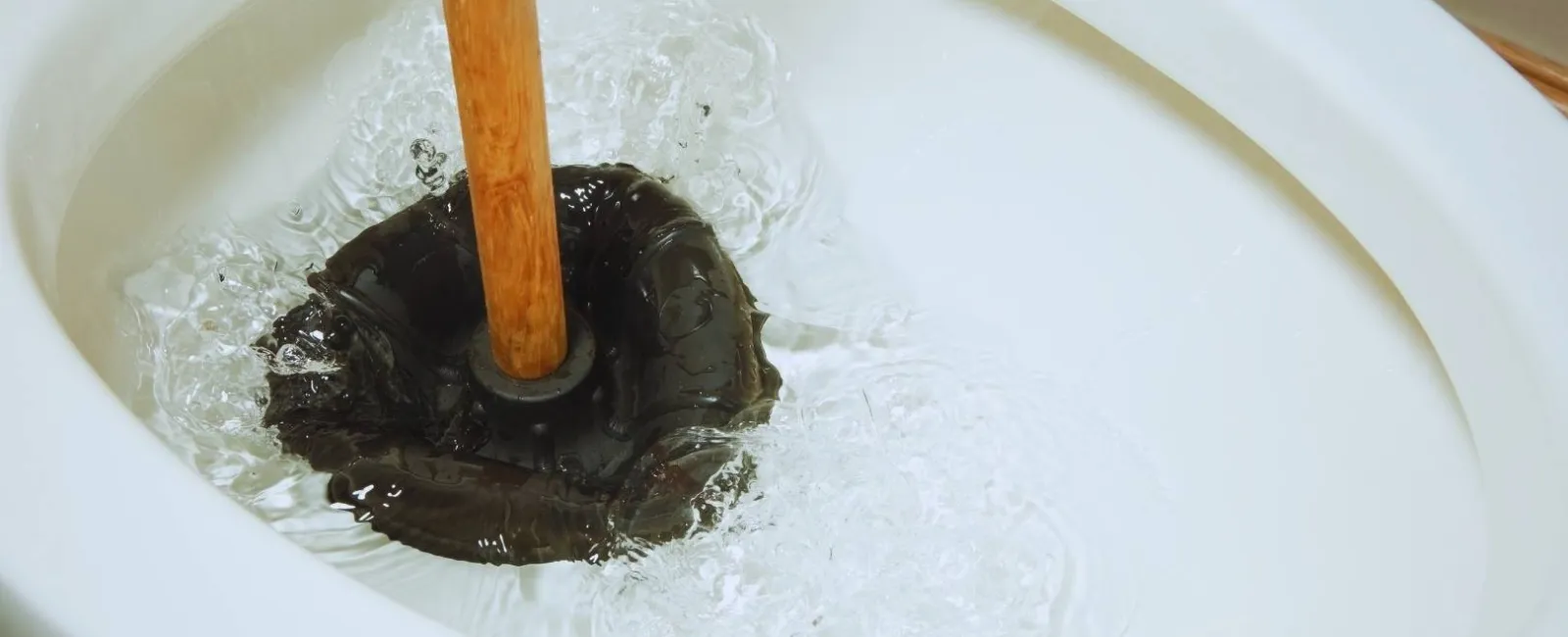
A toilet overflowing ranks among
the most stressful plumbing emergencies a homeowner can face. Water on the
bathroom floor, the situation is getting worse by the second; it's the kind of
problem that demands immediate action before anything else.
The good news: there's a
reliable way to stop an overflowing toilet within seconds, regardless of the
cause. The more important news: what's causing it in the first place determines
whether this is a one-time incident or a symptom of a bigger plumbing problem
that needs professional attention.
Here's exactly what to do when your toilet overflows, the four most common reasons it happens, and when to call a licensed plumber.
Step One: Stop the Overflow Immediately
Before diagnosing anything, stop
the water. There are two ways to cut off the flow to an overflowing toilet:
- Lift the tank lid and push down the flapper, the rubber seal at the bottom of the tank. This stops water from entering the bowl. Hold it down if needed while you figure out the next step.
- Turn off the water supply valve behind the toilet. It's the oval-shaped handle on the wall or floor, behind the toilet base. Turn it clockwise until it stops. This cuts off the toilet's water supply.
If neither of these works, if
the valve is seized or the water keeps rising, locate your home's main water
shutoff and turn that off instead. In Atlanta-area homes, this is typically
near the water meter at the front of the property, in the garage, or in a
utility closet.
Once the water is stopped, you can step back and assess the situation without the pressure of an active flood.
Two Very Different Reasons a Toilet Overflows
Not all toilet overflows have
the same cause, and understanding the difference matters for knowing what
happens next. There are two distinct mechanisms:
Bowl overflow (the most
common): Water rises in the bowl and spills over the rim. This is almost
always caused by a blockage — something is preventing water and waste from
draining properly, so the bowl fills up instead.
Tank overflow: Water
spills from the tank itself, often through the overflow tube inside the tank,
or in severe cases, over the top of the tank. This is a fill valve or float
problem, where water keeps entering the tank without shutting off.
The fix for each is different. An overflowing bowl usually means a clog. A tank overflow means an internal component has failed. Here's a closer look at both.
Cause #1: A Clog in the Toilet or Drain Line
The majority of toilet overflows
are caused by a blockage, either in the toilet trap itself or further down the
drain line. When something prevents water from draining, it has nowhere to go
but up.
Common culprits our Atlanta
technicians find include:
- Excess toilet paper, particularly thick, quilted varieties that don't break down quickly
- Non-flushable items: wipes (even those labeled "flushable"), cotton balls, dental floss, paper towels, hygiene products
- Children's toys or small objects accidentally flushed
- Buildup over time in older cast iron or clay drain lines, common in Atlanta homes built before the 1980s, where decades of mineral scale and debris narrow the effective pipe diameter
- Tree root intrusion into sewer lines, Atlanta's clay soil and mature tree canopy make this a significant issue in established neighborhoods across Cobb, DeKalb, and Gwinnett counties
A toilet that overflows with a
single flush on an otherwise healthy drain line usually points to a localized
clog near the toilet. A toilet that repeatedly overflows, drains slowly between
flushes, or overflows at the same time other fixtures are backing up suggests a
main line issue that extends well beyond the toilet itself.
If multiple fixtures are affected, slow drains in the shower or sinks, gurgling sounds when the toilet flushes, or sewage backing up into a tub, call a plumber immediately. That pattern indicates a main sewer line blockage, which is a plumbing emergency. Our Atlanta toilet repair team handles both localized clogs and mainline issues.
Cause #2: A Faulty Fill Valve or Float
If your toilet overflows without
an obvious clog, the bowl drains normally, but water keeps running and eventually spills out of the tank, the problem is inside the tank.
Every toilet tank has a fill
valve that controls how much water enters after a flush, and a float that tells
the fill valve when to stop. When these components fail, water fills the tank
past the overflow tube, a vertical tube inside the tank designed as a
last-resort drain, and eventually flows continuously into the bowl, causing it
to overflow.
Signs that point specifically to
a fill valve or float issue:
- Water keeps running long after the flush is complete
- The toilet runs intermittently on its own (phantom flushing)
- You can hear water trickling into the bowl constantly
- The water level inside the tank is visibly at or above the top of the overflow tube
Adjusting the float height or replacing the fill valve is a standard toilet repair service that resolves this completely. It's one of the more straightforward toilet repairs, but it does require shutting off the water supply, draining the tank, and correctly setting the new float level, which is worth having done right the first time.
Cause #3: A Blocked Plumbing Vent
This one surprises most
homeowners. Every drain in your home is connected to a vent pipe that runs
through the walls and exits through the roof. These vents allow air into the
drain system so water can flow freely, without them, draining water creates a
vacuum that slows or stops flow entirely.
When a vent pipe becomes blocked by debris, a bird nest, or leaves, negative pressure builds in the drain
lines. The result is slow drains throughout the house, gurgling sounds when
toilets flush, and in some cases, a toilet that fills up and overflows because
water simply can't drain fast enough against the vacuum.
Blocked vents are more common in Atlanta than homeowners realize, particularly in older homes with narrow vent pipes and in the fall when leaves accumulate. If your toilet overflow is accompanied by slow drains elsewhere and gurgling sounds, a blocked vent is worth investigating. This requires a professional with the right equipment to diagnose and clear safely.
Cause #4: A Main Sewer Line Problem
When the issue isn't the toilet
itself but the main sewer line carrying waste away from your home, any toilet
flush can trigger an overflow, and it will happen again until the line is
cleared or repaired.
Main sewer line problems that
cause toilet overflow include:
- Tree root intrusion, roots follow moisture into hairline cracks in sewer pipes and grow to block flow over time. Particularly common in Atlanta's mature suburban neighborhoods, where large oak and maple root systems extend well beyond the visible canopy
- Grease and debris buildup, accumulation that narrows the pipe diameter until flow is severely restricted
- Collapsed or cracked pipe, Atlanta's expansive clay soil shifts seasonally with wet and dry cycles, putting stress on older sewer lines
- Orangeburg pipe failure, many Atlanta homes built between the 1940s and 1970s have Orangeburg sewer pipe, a compressed fiber material that degrades and collapses over time
A main line blockage is a plumbing emergency. If your toilet overflow is accompanied by sewage backing up into the tub or shower, multiple slow drains, or a foul odor coming from drains throughout the house, call a plumber immediately rather than attempting any further flushing. Our Atlanta plumbers can camera-inspect the line to identify the problem precisely before recommending the appropriate repair.
After the Overflow Stops: What to Do Next
Once the water is shut off and
the immediate crisis is contained:
- Remove standing water from the floor as quickly as possible. Bathroom water can contain bacteria and pose a risk of sewage exposure, and prolonged moisture can damage subfloor materials.
- Don't use the toilet again until you know why it overflowed. A second flush on a clogged or backed-up line will make things significantly worse.
- If the overflow involved sewage (dark water, foul odor), treat the area as contaminated; wear gloves, eye protection, and use proper disinfection.
- Call a plumber if you can't identify a simple, obvious cause. A toilet that overflows without explanation, overflows repeatedly, or is accompanied by other plumbing symptoms needs a professional diagnosis.
When to Call Dalmatian
A toilet that overflows once due
to an obvious clog is one thing. But if the overflow was unexpected, had no clear cause, keeps recurring, or was accompanied by backups elsewhere
in the house, it's telling you something about your plumbing system that needs
professional attention.
Dalmatian Plumbing's licensed
technicians have 75+ years of combined experience diagnosing and resolving the
full range of toilet and drain problems across Atlanta, Marietta, Smyrna,
Kennesaw, Alpharetta, Lawrenceville, and the surrounding metro. We stock parts
on every truck, offer same-day service, and provide camera inspection capability to precisely diagnose mainline issues.
Don't wait for a second
overflow. Visit our Atlanta
toilet repair and installation page or call us to schedule service; we'll
find the cause and fix it right.