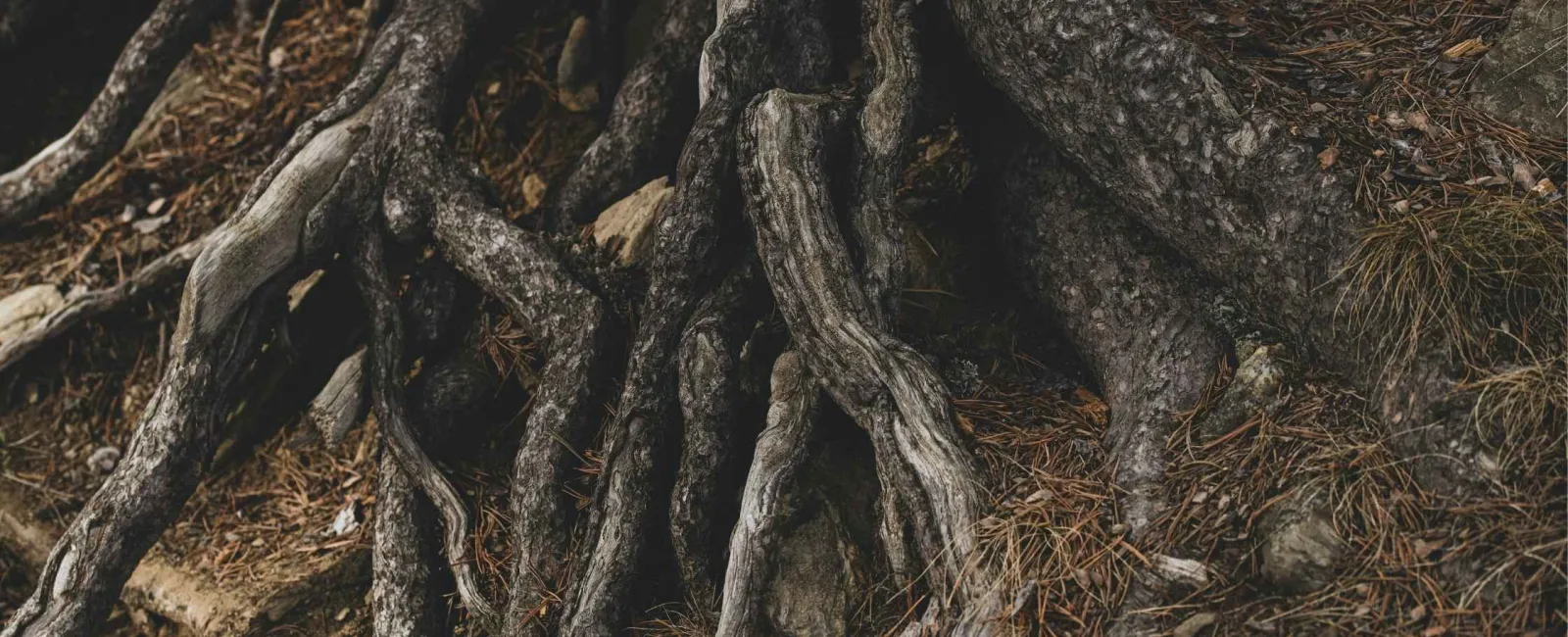
Tree roots in sewer lines are among the leading causes of recurring drain problems in established neighborhoods across Atlanta. The city's dense tree canopy, combined with a large stock of homes built on older clay and cast-iron pipes, creates conditions in which root intrusion is not rare but a predictable maintenance concern.
The problem develops gradually and is easy to misread. Slow drains, gurgling pipes, and recurring clogs often get treated as isolated nuisances rather than symptoms of a root intrusion that is steadily worsening. By the time the signs are obvious, the damage to the pipe is often significant.
How Tree Roots Get Into Sewer Lines
Tree roots grow toward moisture and nutrients. Sewer lines, which carry warm wastewater year-round, produce both. Even a hairline crack in a pipe joint or a slightly loose connection releases enough moisture vapor into the surrounding soil to attract nearby root systems.
Once a root finds a small opening, it enters the pipe and begins to grow inside it, feeding on the nutrient-rich wastewater. Over time, what starts as a fine tendril of root material develops into a dense mass that catches debris, restricts flow, and eventually causes recurring clogs or full blockages.
In more advanced cases, roots exert enough pressure on a pipe to crack or collapse it entirely. This is particularly common in clay tile sewer pipes, which were the standard in Atlanta-area construction through the mid-twentieth century and are now reaching the end of their service life in many established neighborhoods.
Why Atlanta Homes Are Especially Vulnerable
Several factors make root intrusion a more common concern in Atlanta than in many other markets.
Older Pipe Materials
Homes built before the 1970s in neighborhoods like Decatur, Grant Park, Inman Park, Kirkwood, and Midtown were largely plumbed with clay tile sewer pipe. Clay tile is inherently segmented, with joints every few feet, and it's exactly at those joints that root intrusion begins. As the pipes age and the joint seals deteriorate, more entry points open up.
Mature Tree Canopy
Atlanta's tree cover is among the densest of any major American city. Mature oaks, maples, sweetgums, and willows have extensive root systems that extend well beyond the tree's drip line. A large oak in a front yard can have roots reaching the sewer line at the street without any surface indication that the roots have traveled that far.
Clay Soil Conditions
Much of metropolitan Atlanta sits on heavy red clay soil. Clay retains moisture and can shift significantly with changes in moisture content. That movement stresses pipe joints over time, creating gaps and misalignments that give root systems easier access points into the pipe.
Warning Signs of Tree Roots in a Sewer Line
Root intrusion rarely announces itself all at once. The symptoms build gradually, which is why they are easy to dismiss early on. Here is what to watch for.
Slow Drains Throughout the House
When root intrusion partially restricts the main sewer line, it affects all the fixtures that drain into it. A single slow drain is usually a localized clog. Slow drains in multiple rooms simultaneously, particularly in bathrooms, the kitchen, and the laundry area, point to a restriction further down in the main line.
Recurring Clogs That Return Quickly
If a drain backs up, gets snaked or cleared, and then backs up again within weeks or months, root intrusion is a likely cause. Mechanical clearing removes the immediate blockage but does not address the root mass itself. The roots continue to grow, and the problem returns on an accelerating cycle.
Gurgling Sounds From Multiple Drains
Roots that partially block a sewer line disrupt the airflow through the drain and vent system. That disruption causes gurgling sounds from drains, toilets, and floor drains, particularly after heavy water use. Gurgling in one fixture after another fixture is used nearby is a consistent indicator of a main line restriction.
For more on what gurgling drains typically indicate, see our post on common causes of gurgling plumbing.
Sewage Smell Inside or Outside the Home
When roots crack or shift a pipe, sewer gas escapes through the damaged area. Inside the home, this may manifest as a persistent sewage odor with no obvious source. Outside, it may be noticeable near the foundation, along the sewer line to the street, or at a cleanout access point.
Unusually Green or Lush Patches in the Yard
A section of lawn that is noticeably greener, lusher, or grows faster than the surrounding area may be sitting above a damaged sewer line. Wastewater leaking from a root-cracked pipe acts as a fertilizer for the soil above it. This is one of the more telling exterior signs that damage has moved beyond root intrusion into pipe failure.
Sinkholes or Soft Spots in the Yard
A collapsed pipe or significant root displacement can create voids in the soil above the sewer line. Soft spots, depressions, or sinkholes along the path from the house to the street indicate serious pipe damage and require immediate professional assessment.
Sewage Backing Up Into Tubs or Floor Drains
When the main sewer line is severely blocked or has collapsed, wastewater has nowhere to go and backs up through the lowest drain points in the house. Sewage appearing in a bathtub, shower pan, or basement floor drain is a plumbing emergency that requires an immediate call to a licensed plumber.
If you are seeing sewage back up into the tub when the toilet is flushed, see our post on toilet backing up into the shower for what that symptom typically means.
Warning Signs at a Glance
|
Warning
Sign |
What
It Indicates |
|
Slow drains throughout the house |
Partial root blockage in the main sewer line affecting all
fixtures |
|
Recurring clogs that return after clearing |
Root intrusion that snaking addresses temporarily but does
not remove |
|
Gurgling sounds from multiple drains |
Roots disrupting airflow through the drain and vent system |
|
Sewage smell inside or outside the home |
Root damage allowing sewer gas to escape through cracked
pipe |
|
Lush or unusually green patches in the yard |
Sewage leaking from a root-damaged pipe below ground,
fertilizing the area |
|
Sinkholes or soft spots in the yard |
Pipe collapse or significant soil displacement from root
activity |
|
Sewage backing up into tubs or floor drains |
Severe blockage or pipe damage requiring immediate professional attention |
Why Home Remedies Are Not a Solution
Copper sulfate and foaming root killers are widely marketed as solutions for roots in sewer lines. These products can kill fine root tendrils on contact, but they have significant limitations that make them unreliable as a primary response.
They do not remove the root mass from the pipe. Dead roots remain in the line and continue to catch debris, meaning blockages can persist or worsen even after treatment. They also do not address any pipe damage the roots have already caused, nor do they prevent re-entry through existing cracks or joint gaps.
Chemical treatments applied without a professional inspection also carry risk to the broader drain system and the soil around the pipe. In Atlanta, where sewer lines often run near older infrastructure and mature landscaping, indiscriminate use of root killers can cause unintended damage.
Professional hydro jetting mechanically and thoroughly clears root material. A sewer camera inspection confirms the extent of the intrusion and identifies any pipe damage that requires repair or lining. These are the tools that actually resolve the problem rather than temporarily masking it.
What Professional Assessment Looks Like
A licensed plumber addressing a suspected root intrusion will typically begin with a sewer camera inspection. A small camera is fed through the cleanout access point and transmits live video of the pipe interior, allowing the plumber to see exactly where roots have entered, how dense the intrusion is, and whether the pipe itself has sustained structural damage.
From there, the appropriate response depends on what the camera reveals. A partial root intrusion with an otherwise intact pipe may be addressed with hydro jetting, which uses high-pressure water to clear the line. A cracked, shifted, or collapsed pipe requires a different approach, which may include pipe lining or targeted excavation and replacement, depending on the extent of the damage.
Attempting to address root intrusion without a camera inspection means working blind. Snaking a line that has a cracked or partially collapsed section can cause additional damage rather than resolving the problem.
When to Call a Plumber
Contact a licensed plumber if:
- Multiple drains in the house are draining slowly at the same time
- A clog has returned within a few months of being cleared
- You hear gurgling from drains or toilets after using nearby fixtures
- There is a persistent sewage smell inside or outside the home
- You notice unusually green patches or soft spots in the yard above the sewer line path
- Sewage has backed up into a tub, shower, or floor drain
- Your home was built before 1970 and has never had a sewer line inspection
Call Dalmatian Plumbing for Sewer Line Inspection in Atlanta
Dalmatian Plumbing serves homeowners across the Atlanta metro area with licensed, background-checked plumbers and same-day service availability. If you are seeing recurring drain problems, gurgling pipes, or any of the warning signs above, a sewer camera inspection is the right starting point.
Call us at 404-314-3993 or contact us online to schedule a
visit. Our trucks are fully equipped for drain clearing and camera inspection,
and our work is backed by a 100% satisfaction guarantee and over 75 years of
combined plumbing experience serving Atlanta-area homeowners.