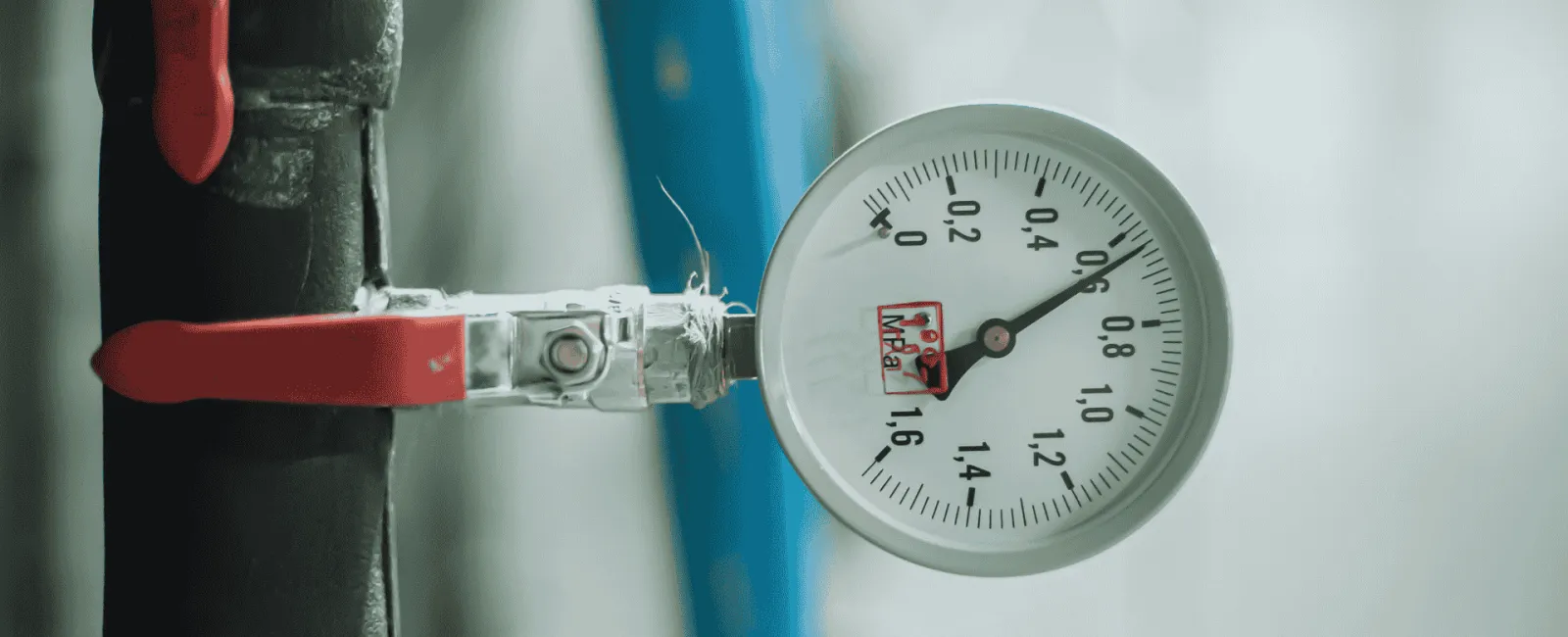
Your faucets spray water with excessive force, pipes bang loudly when you shut off the water, and your water heater develops leaks despite being relatively new. These seemingly unrelated problems often share a single cause: a failing water pressure regulator.
A water pressure regulator, also called a pressure-reducing valve (PRV), is a bell-shaped device that controls the force of water entering your home from the municipal supply. Municipal water pressure often exceeds 100 PSI, which is far too high for residential plumbing designed for 40-60 PSI. Without a functioning regulator, this excessive pressure damages pipes, fixtures, and appliances throughout your home.
After diagnosing and replacing thousands of water pressure regulators, we've seen the costly damage they prevent and the expensive repairs that result when they fail. Here, we explain what a water pressure regulator does, how to recognize when yours is failing, and when professional help is essential.
How a Water Pressure Regulator Works
Understanding how your pressure regulator functions helps you recognize when something goes wrong.
Inside the valve body sits a spring-loaded diaphragm (made of rubber or silicone) connected to an adjustment screw on top. When incoming water pressure exceeds the set point, the pressure pushes against the diaphragm, compressing the spring. This compression causes the diaphragm to restrict the valve opening, reducing water flow and lowering pressure.
Conversely, when incoming pressure drops, the spring relaxes, the diaphragm opens wider, and more water flows through, maintaining consistent pressure on your home's side of the valve.
This continuous self-adjustment happens automatically without any input from you. However, the moving parts, diaphragm, spring, and valve seat experience constant force and gradually wear out over time, typically lasting 10-15 years before replacement becomes necessary.
Where Is Your Water Pressure Regulator Located?
If you're experiencing pressure problems, locating your regulator is the first step. In most homes, you'll find the water pressure regulator on the main water line, usually within a few feet of where the line enters the house.
Common locations include:
- Near the water meter: Often installed just after the meter on the homeowner's side
- In the basement or crawl space: Along the main water line before it branches to fixtures
- In the garage: If your main water line enters through the garage
- On an exterior wall: In warm climates where pipes don't require freeze protection
The regulator is a bell-shaped or dome-shaped brass fitting, typically 3-4 inches in diameter, with an adjustment screw protruding from the top. If you can't locate it, not all homes have one, particularly older homes built before modern plumbing codes or homes in areas where municipal water pressure stays naturally below 80 PSI.
7 Warning Signs Your Water Pressure Regulator Is Failing
Water pressure regulators fail gradually, giving you warning signs before complete failure occurs. Recognizing these symptoms early prevents costly damage to your plumbing system.
1. High Water Pressure
The most obvious sign of a failing regulator is excessively high water pressure. You'll notice water spraying forcefully from faucets, showers producing uncomfortably strong streams, and difficulty controlling water flow with standard fixture handles.
High pressure isn't just uncomfortable, it's destructive. Pressure above 60 PSI rapidly wears out faucet washers, damages appliance valves, stresses pipe joints, and can cause catastrophic failures in water heaters and washing machines. If you suspect high pressure, testing is essential.
2. Low Water Pressure
Conversely, a failing regulator can become stuck in a partially closed position, resulting in low pressure throughout your home. You'll experience weak showers, slow-filling toilets, and appliances that take significantly longer to complete cycles.
Low pressure affecting all fixtures simultaneously points to the regulator rather than individual fixture problems. However, if only the hot water pressure is low, your water heater may be the issue instead.
3. Fluctuating Water Pressure
If water pressure varies noticeably, strong one moment, weak the next, your regulator's internal components are likely worn and no longer maintaining consistent pressure. This inconsistency is one of the clearest indicators that replacement is imminent.
Fluctuations put stress on your entire plumbing system. Pipes, joints, and fixture connections experience repeated pressure changes, accelerating wear and increasing leak risk.
4. Water Hammer (Banging Pipes)
Water hammer is a loud banging, thumping, or hammering noise when you shut off faucets or when appliances like washing machines stop filling. It occurs when water moving through pipes suddenly stops, creating a shock wave that causes pipes to vibrate and bang against supports or walls.
A properly functioning regulator prevents water hammer by maintaining consistent, safe pressure. When the regulator fails, and pressure rises, water hammer becomes severe. These shock waves can loosen pipe connections, damage fixtures, and eventually cause pipe failures.
5. Leaking Faucets and Running Toilets
If multiple faucets develop drips or toilets run constantly despite recent repairs, excessive water pressure may be forcing water past seals and gaskets. High pressure causes rubber washers, O-rings, and valve seats to wear out prematurely, creating leaks that persist even after component replacement.
Fixing individual fixtures without addressing the underlying pressure problem results in repeated failures. The new parts simply wear out quickly under the same excessive pressure.
6. Noisy Plumbing
Beyond water hammer, you might hear humming, whistling, hissing, or gurgling sounds from pipes when water runs. These noises indicate irregular water flow caused by pressure fluctuations. A failing regulator creates turbulence as its worn diaphragm and valve seat no longer control pressure smoothly.
7. Visible Regulator Damage
If you can access your regulator, inspect it for visible problems. Look for water leaking from the valve body or adjustment screw, corrosion on the brass housing, or mineral deposits indicating long-term moisture exposure. Any visible leak means the internal seals have failed, and replacement is necessary.
How to Test Your Water Pressure
Before calling a plumber, you can test your water pressure with a simple, inexpensive gauge available at any hardware store for $10-20.
Testing procedure:
- Turn off all faucets, appliances, and water-using fixtures in your home
- Screw the pressure gauge onto an outdoor hose bib (spigot) or laundry room faucet with threads
- Fully open the valve and read the gauge
- Normal residential pressure: 40-60 PSI
- Acceptable range: 40-60 PSI
- Problematic: Below 30 PSI or above 60 PSI
Test at different times of day, as municipal pressure can fluctuate. If readings consistently exceed 60 PSI, your regulator has failed or requires adjustment. Readings below 30 PSI indicate the regulator may be clogged or stuck closed.
What Causes Water Pressure Regulators to Fail?
Understanding why regulators fail helps you anticipate problems and take preventive action.
Normal Wear and Tear
Water pressure regulators typically have a lifespan of 10-15 years, though some can last 20+ years under favorable conditions. The constant movement of internal components, diaphragm flexing, spring compressing and relaxing, valve seat opening and closing, gradually wears these parts until they no longer function properly.
Sediment and Mineral Buildup
In areas with hard water, mineral deposits accumulate inside the valve over time. Sediment from aging pipes can also collect in the regulator. This buildup prevents the diaphragm from moving freely and can prevent the valve seat from closing completely, causing the regulator to "creep" toward higher pressure.
Corrosion
While most regulators are brass (corrosion-resistant), internal components can still corrode, particularly in areas with aggressive water chemistry. Corrosion roughens valve surfaces, damages seals, and weakens springs, leading to premature failure.
Manufacturing Defects
Occasionally, a regulator fails prematurely due to manufacturing defects in the diaphragm material, spring, or valve body. Quality brands with strong warranties help protect against early failure.
Can You Adjust a Water Pressure Regulator?
This is not a
recommended practice, as they usually come factory-set. Adjusting your PRV can
do more harm than good. It is recommended to contact a professional if you are
having pressure issues.
Why Excessive Water Pressure Is Dangerous
Many homeowners don't realize that high water pressure can gradually damage their plumbing system until catastrophic failures occur.
Pipe Stress and Leaks
Pressure above 60 PSI puts constant stress on pipe joints, connections, and the pipes themselves. Over time, this stress causes:
- Pinhole leaks in copper pipes
- Joint failures at connections
- Cracked PEX or PVC pipes
- Burst pipes (especially during temperature changes)
These failures often occur inside walls or under slabs, causing extensive water damage before detection. Professional leak detection services become necessary to locate hidden leaks caused by years of excessive pressure.
Appliance Damage
Water heaters, dishwashers, washing machines, ice makers, and reverse osmosis systems all contain valves, seals, and components designed for 40-60 PSI. Excessive pressure causes:
- Water heater tank failures and leaks
- Washing machine valve failures
- Dishwasher pump burnout
- Refrigerator water line leaks
- Reverse osmosis system failures
Replacing major appliances prematurely due to pressure damage costs thousands of dollars, far more than installing a new pressure regulator.
Increased Water Bills
High pressure increases water consumption. Toilets use more water per flush, faucets deliver more water per second, and leaking fixtures waste more water. Homeowners often see water bills drop 15-25% after installing or replacing a pressure regulator.
Do You Need a Water Pressure Regulator?
Not all homes require pressure regulators, but most modern homes do. You definitely need one if:
- Municipal pressure exceeds 80 PSI: Test your incoming pressure or ask your water utility
- Required by building codes: Most jurisdictions mandate regulators when municipal pressure exceeds 80 PSI
- You have a well with high pressure: Private wells with pressure tanks set above 60 PSI benefit from regulators
- You experience frequent plumbing problems: Recurring leaks, fixture failures, or appliance breakdowns often indicate excessive pressure
Even if your municipality provides moderate pressure now, installing a regulator protects against future pressure increases and adds valuable pressure stability to your system.
Professional Water Pressure Regulator Services
Water pressure problems affect your entire plumbing system, from fixtures and appliances to pipes hidden in walls and under slabs. Our experienced team has diagnosed and resolved thousands of pressure-related issues, and we know how to identify whether your regulator, pipes, or other components are causing problems.
We provide comprehensive pressure testing, honest assessments of whether adjustment or replacement is necessary, expert installation of properly-sized regulators, and pressure optimization for your specific household needs. If excessive pressure has already damaged pipes or fixtures, we have advanced leak-detection equipment to locate hidden leaks before they cause extensive damage.
Experiencing high pressure, low pressure, water hammer, or unexplained plumbing problems? Contact us today for professional pressure testing and assessment. We'll determine whether your regulator needs adjustment, replacement, or if other issues are affecting your system, and provide honest recommendations for the most cost-effective solution.