Most homeowners never think
about the curved section of pipe hiding inside their toilet until something
starts to smell or the bowl stops flushing the way it should. That curve is
called the P-trap, and it performs a very important job. Understanding what it
is and how it can fail makes it much easier to recognize when a small annoyance
is actually an early warning sign.
What Is a Toilet P-trap?
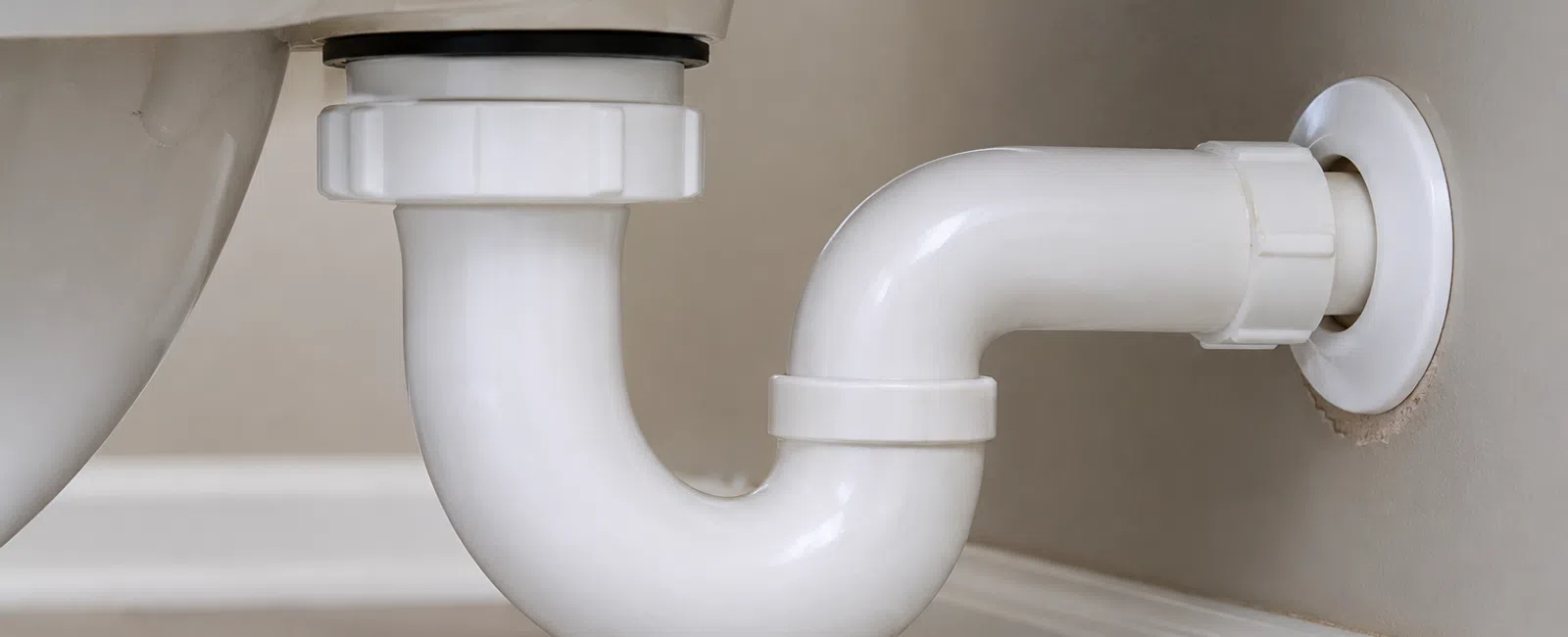
A P-trap is a curved, U-shaped
bend in a drain line that constantly holds a small amount of standing water.
You have probably seen the obvious version under a bathroom sink, shaped a bit
like the letter P turned on its side. Your toilet has the same feature, but it
is molded directly into the porcelain base rather than bolted on underneath.
Plumbers often call this built-in curve the toilet trap or trapway.
Every time you flush, water and
waste travel up and over that internal bend and down into your home's drain and
sewer line. Once the flush finishes, a fresh pool of clean water settles back
into the trap and stays there.
Why That Little Pool of Water Matters So Much
The water sitting in the trap
creates a seal. On the other side of that seal is your drain system, which
connects to the municipal sewer or your septic tank, and those lines are full
of gases you do not want drifting up into your bathroom. The trapped water acts
like a plug, letting waste flow down while blocking sewer gas from coming back
up.
Those gases are not only
unpleasant, but they can also contain hydrogen sulfide and methane, which is
why a failing trap seal often produces a rotten egg smell. However, when the
trap is doing its job, you never notice it.
Warning Signs Your Toilet Trap Needs Attention
Because the trap is sealed
inside the toilet, you cannot inspect it the way you would the pipe under a
sink. Instead, you watch for how the toilet behaves. These are the symptoms
that most often point back to a trap that is clogged, partially blocked, or
losing its water seal:
- A persistent sewer or rotten-egg smell. If the trap seal has dropped or evaporated, gas can escape into the room even when the bowl looks normal.
- Gurgling or bubbling sounds. Air moving through the trap in the wrong direction usually signals a partial blockage or a venting problem farther down the line. See more about common causes of gurgling plumbing.
- A weak or incomplete flush. When debris narrows the trapway, water cannot move waste through with full force, so the bowl empties slowly or only partway.
- Water rising high and then draining slowly. A telltale sign of an obstruction in or just past the trap.
- Backups into other fixtures. If flushing pushes water up into a nearby tub or shower, the problem has usually moved beyond the trap into the main drain. Learn how to tell if your main sewer line is clogged.
Any one of these on its own can
be minor, but together they point to a trap or drain that is not flowing
freely. If you are also dealing with a clogged or slow drain elsewhere in the
bathroom, that is another clue the issue reaches past a single toilet.
What Causes Toilet Trap Problems in the First Place
Traps run into trouble for a
handful of common reasons. Flushing anything other than waste and toilet paper
is the biggest one. So-called flushable wipes, cotton products, dental floss,
and paper towels do not break down and love to lodge in the curve of the
trapway. Over time, hard water can also leave mineral deposits that gradually
narrow the passage, a familiar issue in many older Atlanta-area homes with
aging pipes.
A seal can also fail without any
clog at all. In a guest bathroom or a toilet that rarely gets used, the water
in the trap can slowly evaporate, breaking the seal and letting odors slip
through. Venting problems elsewhere in the plumbing system can pull the water
out of the trap, breaking the seal that keeps sewer gases out of your home.
Because several different issues can cause this, it's important to identify the
source before making repairs.
Why You Should Call a Professional
Because the trap is built into
the toilet, diagnosing a broken seal or clearing a true blockage often requires
more than a plunger. Aggressive DIY attempts can crack the porcelain, push a
clog deeper into the line, or mask a venting problem that will keep coming
back. A licensed plumber can determine whether the issue lives in the trap
itself, the drain beyond it, or the vent stack, and correct the actual cause
instead of the symptom.
If a plunger has not solved
things, or the smell and slow flush keep returning, that is the moment to bring
in a pro. Our team handles everything from a stubborn trap clog to full toilet repair and installation, and we can tell you quickly whether it is a simple fix
or a sign of something deeper.
Call Dalmatian Plumbing for Toilet and Drain Trouble
When your toilet is smelling
off, flushing weakly, or gurgling, do not wait for a small problem to become a
messy one. Dalmatian Plumbing is a family-owned, Atlanta-area company with more
than 25 years of local experience and over 75 years of combined technician
experience. We are licensed and background-checked, we stock parts on every
truck, and we offer same-day service backed by a 100% satisfaction guarantee.
Call us today at 404-314-3993 to schedule your service. We will
find the real source of the problem and get your bathroom back to normal.