Occasionally,
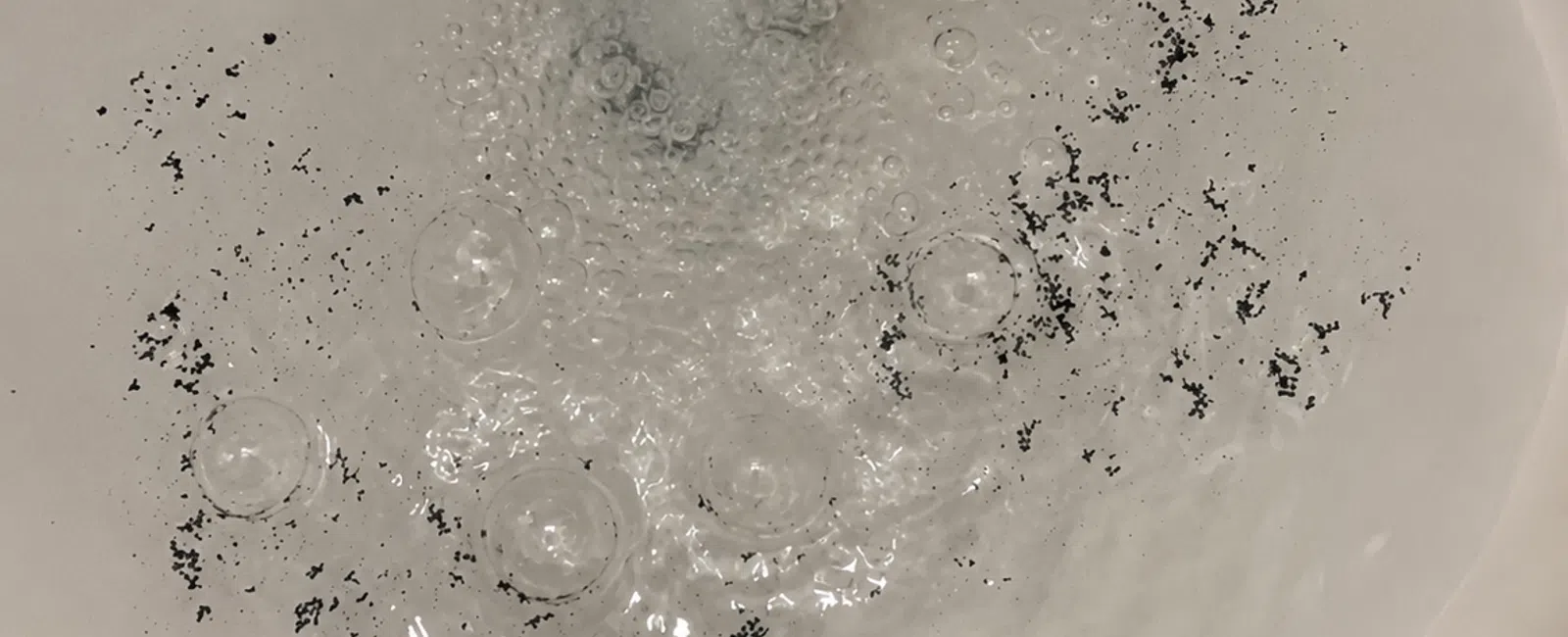
Atlanta homeowners turn on the tap and see black slime around the spout, dark
gunk clinging to the aerator, or tiny black flakes swirling in your glass. It
looks alarming, and it is a common concern we hear about. The black stuff
coming out of your faucet almost always traces back to a short list of causes,
and identifying the right one matters. Some are harmless, while others indicate
a problem inside your plumbing or water supply.
What the Black Stuff Actually Is
There is no
single answer, which is exactly why guessing tends to lead you in the wrong
direction. Black slime, black gunk, black flakes, and black mold can all show
up at a faucet, but each has a different source. The clues are in where you see
it, whether it appears in hot water, cold water, or both, and how it feels to
the touch. Here are the causes we run into most often in Georgia homes.
Manganese and Mineral Buildup in Your Water
The most
frequent reason for black slime is manganese, a mineral that occurs naturally
in groundwater throughout Georgia. When manganese oxidizes, it forms a dark,
slippery film that coats aerators, showerheads, and the inside of fixtures. It
often travels with iron, which is why you may also notice discolored
or brown tap water alongside the black residue. Bacteria that feed on
manganese can make the slime worse, leaving a stubborn coating that returns
soon after it is wiped away. While small amounts of manganese are not usually
an immediate health threat, a persistent black film is a strong signal that
your water quality needs a closer look.
Deteriorating Rubber Parts Inside Your Plumbing
If you are
seeing black flakes or small rubbery bits rather than slime, the source is
often a worn component inside your system. Supply line gaskets, faucet washers,
O-rings, and hose seals all break down over time, and the pieces that flake off
are dark and gritty. This is especially common in older homes, which describes
a good share of the housing stock across metro Atlanta. Because these parts sit
at different points in your plumbing, tracking down which one is failing is
best handled by a plumber who can inspect the fixtures and connections
directly.
A Water Heater that Needs Attention
When the black
material shows up mainly in your hot water, your water heater becomes the prime
suspect. The dip tube that carries cold water into the tank can deteriorate and
shed dark particles, and a corroding anode rod or sediment building up in the
tank can push flecks through the hot side of your plumbing. If the problem
disappears when you run only cold water, that is a telling sign the issue lives
in the water heater rather than the incoming supply.
Mold and Biofilm Around the Faucet
Black buildup
on the outside of the spout or just inside the aerator is frequently biofilm, a
slimy layer that thrives in the constantly damp environment at the tip of a
faucet. It can look like black mold, and in some cases, mold is present,
particularly around sink drains where moisture and organic material collect.
Biofilm and mold are not the same as the manganese slime that comes from inside
your pipes, but both flourish in wet spots, and both keep coming back until the
underlying moisture and buildup are properly addressed. A plumber can also
check whether the same conditions are affecting your drains, which sometimes
calls for professional drain cleaning.
Is Black Slime On Your Faucet Dangerous?
This is the
question we hear most, and the honest answer is that it depends on the source.
Manganese and ordinary biofilm are generally not considered acutely dangerous
in the small quantities found at a faucet, but they should not be ignored
either. A recurring black film can harbor bacteria, worsen over time, and
occasionally aggravate allergies or sensitivities. More importantly, it is a
symptom, and the underlying cause could be anything from failing plumbing parts
to a water quality issue that affects your whole home. Heavy buildup can even
contribute to reduced
water pressure at the affected fixture. Rather than treating the surface
and hoping it stays gone, it is worth having the source identified so you know
exactly what you are dealing with.
How Dalmatian Plumbing Gets to the Bottom of It
Pinpointing
black slime, gunk, or flakes is a process of elimination, and it is what our
technicians do every day. We look at whether the problem is isolated to one
faucet or showing up throughout the house, whether it appears in hot water,
cold water, or both, and whether the buildup is mineral, rubber, or biological.
From there we can trace it to the fixture, the supply, or the water heater and
recommend the right professional faucet and fixture repair or water treatment
approach for your home.
Dalmatian
Plumbing has served Atlanta-area families for more than 25 years, backed by
over 75 years of combined technician experience. Our team is licensed and
background-checked, we stock parts on every truck for same-day service, and we
stand behind our work with a 100% satisfaction guarantee. If you are seeing
black slime, gunk, or flakes at your faucet, call Dalmatian Plumbing today at
404-314-3993 and let us find the source and fix it for good.