Quick Answer: Baking soda is one of the best natural toilet cleaners you can use. Sprinkle half a cup in the bowl, scrub, and flush for everyday cleaning. For deeper cleaning, add vinegar for a fizzing reaction that lifts stains. You can also add a cup to your toilet tank overnight to deodorize and prevent mineral buildup. It's safe, cheap, and effective for both tank and bowl maintenance.
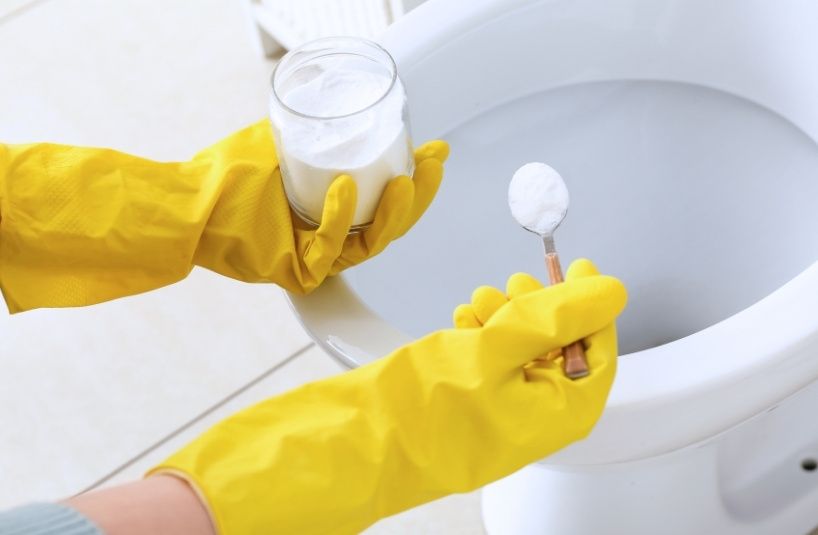
If you're looking for a homemade toilet cleaner that actually works without harsh chemicals, most plumbers tell you to start with baking soda. It neutralizes odors, gently scrubs away buildup, and won't damage your toilet's internal components the way bleach tablets can.
Why Baking Soda Works as a Natural Toilet Cleaner
Baking soda (sodium bicarbonate) works through three mechanisms that make it ideal for toilet cleaning:
- Odor neutralization: Unlike air fresheners, which mask odors, baking soda chemically neutralizes odor-causing acids. It converts the compounds that create that bathroom smell into odorless salts.
- Gentle abrasion: The fine crystalline structure provides just enough scrubbing power to lift mineral deposits, hard water stains, and biofilm without scratching porcelain.
- pH balancing: Toilet water is often slightly acidic from dissolved minerals and bacteria. This acidity accelerates corrosion of metal parts and degrades rubber seals. Baking soda neutralizes that acidity, protecting your toilet's components.
Unlike commercial toilet bowl cleaners that contain hydrochloric acid or bleach, baking soda won't corrode your pipes, damage your septic system, or leave toxic residues. And it costs pennies per treatment.
How to Clean Your Toilet Bowl with Baking Soda
This method handles everyday cleaning and light stains. For stubborn hard water rings, see the vinegar combination method below.
Basic Bowl Cleaning
What you need: Half a cup of baking soda, a toilet brush.
Step 1: Sprinkle half a cup of baking soda around the inside of the toilet bowl, focusing on the waterline and under the rim where buildup hides.
Step 2: Let it sit for 10 to 15 minutes. This gives the baking soda time to start breaking down deposits.
Step 3: Scrub the entire bowl with your toilet brush, paying extra attention to stained areas.
Step 4: Flush to rinse.
For maintenance, do this once a week. If you have hard water or notice stains building up faster, increase to twice weekly.
For Hard Water Stains and Rings
When basic baking soda isn't cutting through those stubborn mineral deposits, combine it with white vinegar for more cleaning power.
What you need: One cup of baking soda, two cups of white vinegar, and a toilet brush.
Step 1: Pour one cup of baking soda into the bowl.
Step 2: Slowly pour two cups of white vinegar over the baking soda. The mixture will fizz vigorously as the acid and base react. This fizzing action helps lift stubborn deposits.
Step 3: Let the fizzing work for 10 to 15 minutes.
Step 4: Scrub thoroughly with your toilet brush.
Step 5: Let it sit another 10 minutes, then flush.
For severe hard water buildup, you can leave this mixture in the bowl for up to an hour before scrubbing.
How to Clean Your Toilet Tank with Baking Soda
Most people never look inside their toilet tank, but it's where mineral deposits, mold, and bacteria quietly accumulate. Whatever's in your tank ends up in your bowl with every flush.
Monthly Tank Maintenance
What you need: One cup of baking soda, a long-handled brush (not your bowl brush).
Step 1: Remove the tank lid and set it on a towel.
Step 2: Turn off the water supply valve behind the toilet and flush once to lower the water level.
Step 3: Add one cup of baking soda directly into the tank water. Avoid pouring onto the flapper or fill valve.
Step 4: Let it sit overnight. The extended contact time allows the baking soda to absorb odors and loosen buildup.
Step 5: Scrub the tank interior with your brush, focusing on the waterline and corners.
Step 6: Turn the water back on and flush two to three times.
Leaving baking soda in your toilet tank overnight is completely safe. Unlike bleach or harsh chemicals, it won't damage rubber flappers, plastic valves, or any other components.
Deep Cleaning with Vinegar
For tanks with visible stains, mold, or heavy mineral deposits:
Step 1: Shut off the water and flush the tank to empty it as much as possible.
Step 2: Add two cups of white vinegar and swish to coat surfaces.
Step 3: Add one cup of baking soda. Let the fizzing reaction work for 10 to 15 minutes.
Step 4: Scrub thoroughly, then let sit for 30 to 60 minutes.
Step 5: Turn on the water and flush several times until the water runs clear.
Natural Toilet Cleaner Alternatives
If baking soda alone isn't getting the job done, here are other natural options plumbers recommend:
- White vinegar: More effective for mineral deposits due to its acidity. Use for quarterly deep cleaning or in hard water areas. The acidic nature dissolves calcium and lime buildup.
- Citric acid: Available as a powder, it's excellent for rust and hard water stains. Stronger than vinegar but still safe for septic systems. Sprinkle half a cup into the bowl, let sit for 30 minutes, then scrub and flush.
- Borax: A natural mineral that boosts cleaning power. Mix with baking soda for stubborn stains. Safe for septic but use sparingly since it can be harsh on skin.
- Hydrogen peroxide: Provides disinfection that baking soda can't. Pour half a cup into the bowl, let it sit for 30 minutes, scrub, and flush. Good for toilets that need sanitizing, not just cleaning.
What Baking Soda Can't Fix
While baking soda is excellent for maintenance, it has clear limitations:
- Heavy mineral scale: Thick white or rust-colored deposits that have accumulated over the years require stronger acids, such as citric acid or commercial descalers. Baking soda can maintain, but it can't remove years of buildup.
- Mechanical problems: A running toilet, weak flush, or leaking tank needs toilet repair, not cleaning. No amount of baking soda can fix a worn flapper or a faulty fill valve.
- Deep disinfection: Baking soda inhibits bacterial growth but doesn't kill pathogens. If someone's been sick, you may need hydrogen peroxide or a commercial disinfectant.
- Drain clogs: Despite viral cleaning hacks, baking soda and vinegar don't clear toilet or drain clogs. The fizzing reaction creates foam, not an actual clog-clearing force.
- Sewer odors: If you smell sewage despite regular cleaning, the problem isn't your toilet surface. You may have a dry P-trap, a failing wax ring, or a sewer line issue that needs professional attention.
Is Baking Soda Safe for Your Toilet?
Yes. Baking soda is safe for every toilet component:
Porcelain bowls and tanks, rubber flappers and gaskets, plastic fill valves and floats, metal flush handles and bolts, wax rings, and septic systems.
Unlike bleach tablets, which corrode rubber parts within months, baking soda's mild alkalinity helps protect components by neutralizing acids that cause degradation.
Septic safety: Baking soda is completely safe for septic systems and can help maintain healthy pH levels in your tank. Unlike antibacterial cleaners that kill beneficial bacteria, baking soda poses no threat to septic function.
Why Plumbers Recommend Avoiding In-Tank Tablets
Those blue or white tablets you drop in the tank? Plumbers constantly see the damage they cause.
Bleach-based tablets corrode rubber flappers and gaskets, often within six months to a year. The constant chemical exposure degrades plastic fill valve components. And the "fresh" scent is masking problems, not fixing them.
If you want continuous freshening, use a toilet bowl clip-on that hangs in the bowl rather than sitting in the tank. Or simply maintain a weekly baking soda routine.
How Often to Clean Your Toilet
- Bowl: Weekly with basic baking soda. Add vinegar monthly for deeper cleaning.
- Tank: Monthly baking soda treatment. Quarterly deep clean with vinegar if you have hard water.
- Hard water homes: Increase to twice weekly bowl cleaning and monthly tank treatments.
- Guest bathrooms: Clean before each use to prevent stagnant water issues. Rarely used toilets develop more buildup and odors.
Frequently Asked Questions
Can you use baking soda in the toilet bowl and tank?
Yes. Use half a cup in the bowl for scrubbing and one cup in the tank for overnight deodorizing and mineral prevention. Both are safe for all toilet components and septic systems.
Is baking soda better than toilet bowl cleaner?
For regular maintenance, yes. Baking soda is safer for your toilet's internal parts, your plumbing, your septic system, and your health. Commercial cleaners are more effective for severe stains but can damage components with repeated use.
Can I leave baking soda in the toilet overnight?
Absolutely. Leaving baking soda overnight for tank cleaning is recommended and won't damage any components. You can also leave it in the bowl overnight before scrubbing for tougher stains.
When to Call a Plumber
DIY cleaning handles most toilet maintenance, but some issues need professional help:
Persistent leaks from the tank or base. A constantly running toilet that wastes water. Severe mineral buildup affecting flush performance. Recurring mold despite regular cleaning. Components older than seven years. Sewer odors that cleaning doesn't fix.
At Dalmatian Plumbing, we provide toilet repair and installation throughout the Atlanta metro area. With 25+ years of local experience, 4.9 stars across 700+ Google reviews, and same-day service, we can diagnose whether you need a simple part replacement or a more involved repair.
Call 404-314-3993 to schedule service.