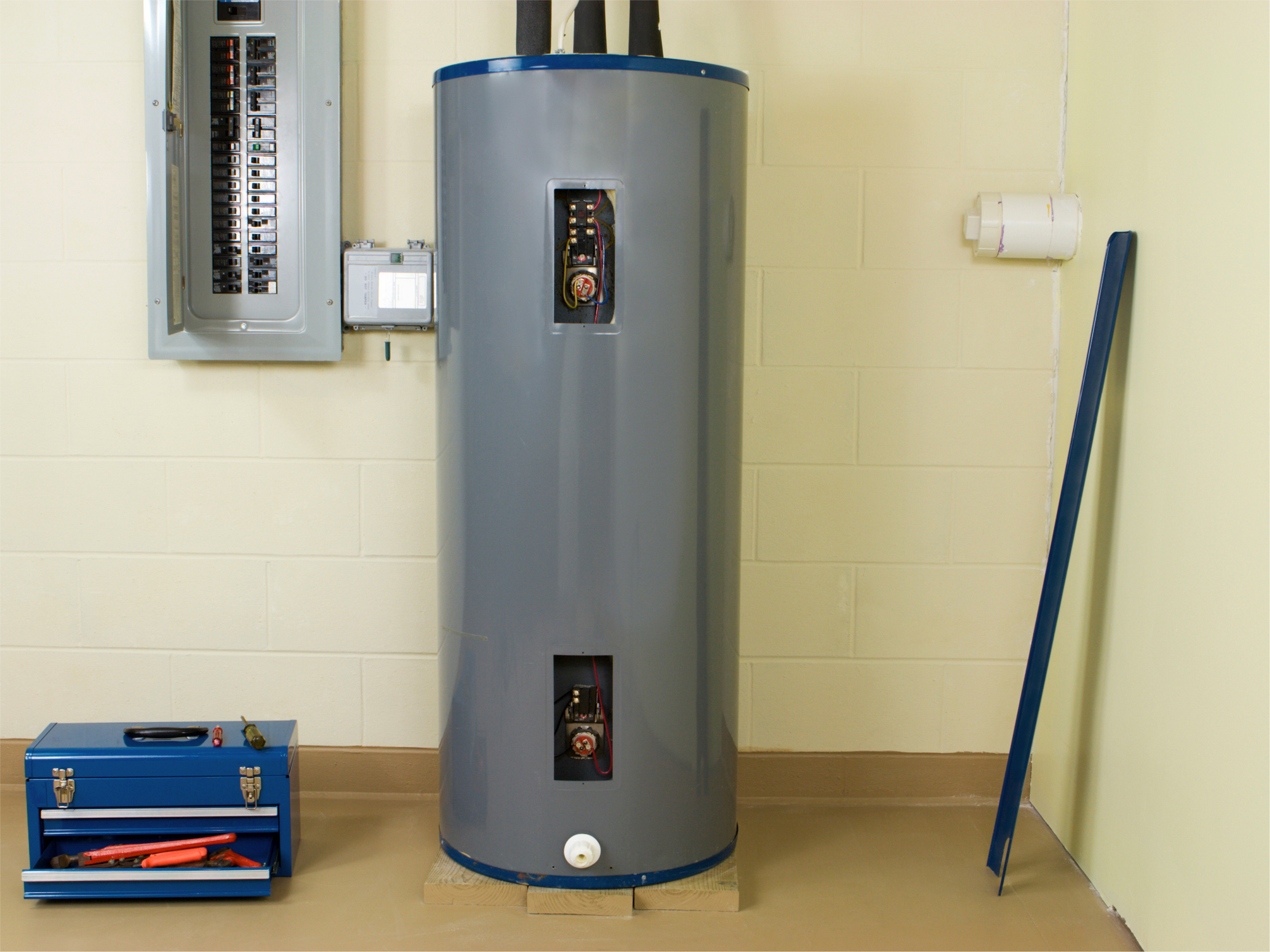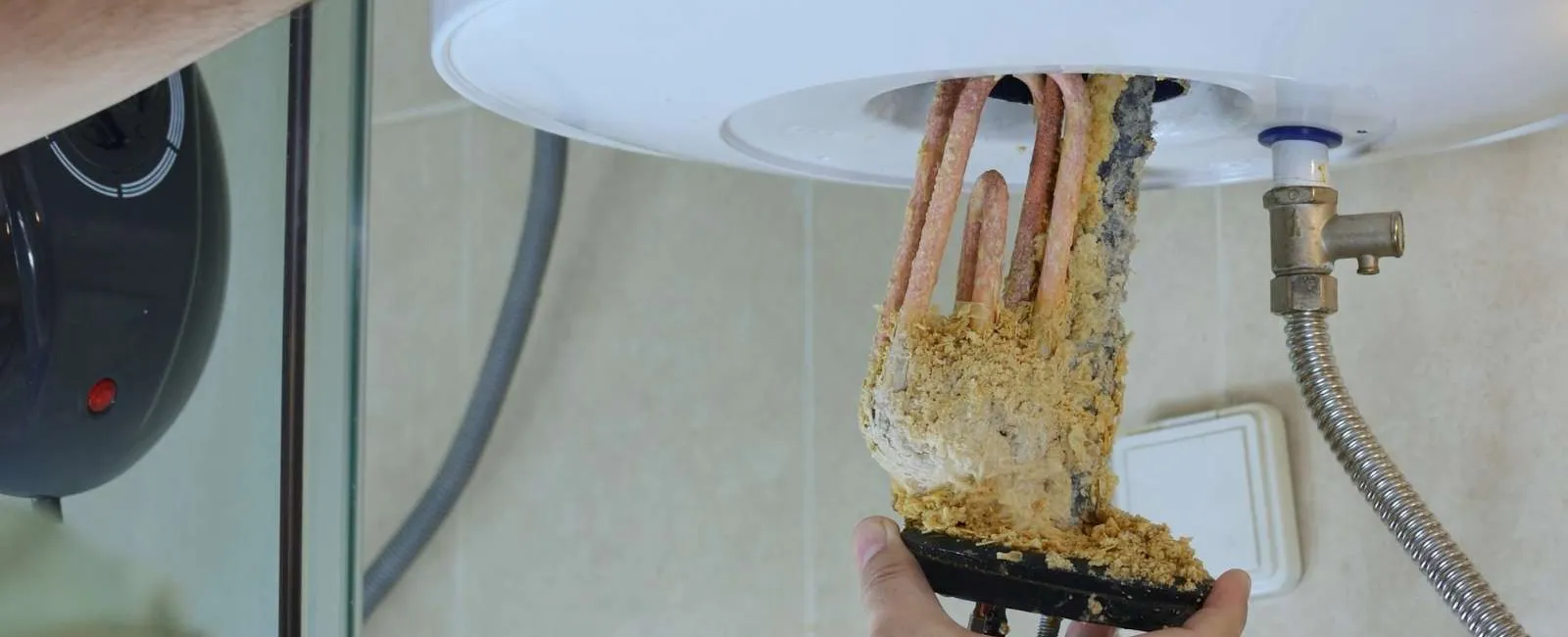
Most homeowners have never heard of a water heater anode rod. The anode rod is one of the most important components in a traditional tank water heater. Understanding what it does, what happens when it fails, and what warning signs to watch for can be the difference between a water heater that lasts 15 years and one that corrodes through at 8.
What Is a Water Heater Anode Rod?
An anode rod is a long metal rod, typically made from magnesium or aluminum, that runs through the interior of your water heater tank. It is threaded into the top of the unit and submerged in the water inside.
Its job is to attract corrosion. Through an electrochemical reaction, the rod attracts corrosive elements in the water toward itself rather than allowing them to attack the tank's steel walls. The rod corrodes, so the tank does not. This is why it is often called a sacrificial anode: it sacrifices itself to protect the water heater.
Without a functioning anode rod, the naturally occurring corrosive minerals in water go to work on the tank lining instead. Once that lining is compromised, rust forms, sediment accumulates, and leaks eventually follow.
How Long Does an Anode Rod Last?
Under normal conditions, an anode rod lasts 3 to 5 years, though this varies significantly depending on water chemistry. Homes with hard water or high mineral content in the water supply tend to go through anode rods faster, because those minerals give the rod more to react with.
Atlanta's water supply is generally on the softer side compared to many parts of the country, which can actually cause its own issues: soft water is more aggressive toward metal, meaning it can deplete an anode rod faster than hard water in some circumstances.
Most manufacturers recommend inspecting anode rods every 2 to 3 years and replacing them when they have corroded significantly. In practice, many homeowners go the entire life of the water heater without doing this, which is one of the leading reasons water heaters fail prematurely.
What Happens When an Anode Rod Fails?
When an anode rod is fully depleted, the electrochemical protection it provides disappears. At that point, corrosive elements in the water begin attacking the steel tank directly. The process is gradual but irreversible.
Early stages of tank corrosion often show up as discolored hot water, a metallic taste, or increased sediment in the tank. Left unchecked, corrosion can work through the tank lining and eventually cause pinhole leaks or full tank failure. A leaking water heater tank cannot be repaired and must be replaced.
Catching anode rod depletion before it reaches this stage is what makes routine maintenance valuable. Calling a plumber like Dalmatian Plumbing to check and replace the rod is a straightforward service call. Replacing the entire water heater is a significantly more expensive option.
The Rotten Egg Smell Connection
One of the most common reasons homeowners discover they have an anode rod issue is through smell. If your hot water smells like rotten eggs or sulfur, the anode rod is almost always involved.
Magnesium anode rods, the most common type found in
residential water heaters, can react with sulfate-reducing bacteria present in
some water supplies. That reaction produces hydrogen sulfide gas, which is the
source of the rotten egg odor. The smell is noticeable only in hot water, not in cold, because the reaction occurs inside the heated tank.
This is a distinct problem from a failing anode rod that has simply worn out, though both require professional attention. If you're dealing with this symptom, our post on why your hot water smells like rotten eggs covers the causes in more detail.
Warning Signs Your Anode Rod Needs Attention
|
Symptom |
What
It May Indicate |
|
Hot water smells like rotten eggs |
Depleted magnesium anode rod reacting with sulfur bacteria |
|
Rumbling or popping sounds from the tank |
Sediment buildup often linked to an anode rod past its
service life |
|
Rusty or discolored hot water |
Tank corrosion underway due to anode rod failure |
|
Water heater older than 8 to 10 years with no maintenance |
Anode rod likely depleted, tank may be at risk |
|
Metallic taste in hot water |
Possible corrosion inside the tank |
|
Shorter supply of hot water than expected |
Internal tank damage may have reduced capacity |
Types of Anode Rods
There are three main types of anode rods found in residential water heaters:
Magnesium
The most common type in standard residential tank water heaters. Magnesium rods are highly effective in soft to moderately hard water. They do have a higher reactivity rate, which means they can cause sulfur odor in water supplies when certain bacteria are present.
Aluminum
Aluminum rods are often used in areas with very hard water, where they tend to last longer than magnesium. They are also sometimes installed to address the rotten egg odor problem, since they react less aggressively with sulfur bacteria. However, aluminum rods are considered less effective overall at corrosion protection compared to magnesium.
Powered or Electric Anode Rods
A newer option that uses a small electrical charge rather than chemical sacrifice to provide corrosion protection. Powered anode rods do not deplete over time the way traditional rods do, making them a longer-term solution for homes with persistent odor issues or high water heater replacement rates. Installation requires a professional.
Why Anode Rod Service Is a Job for Dalmatian Plumbing
Accessing the anode rod in most tank water heaters requires locating the correct port, using the correct socket size, properly relieving tank pressure, and reassembling everything afterward. In older or poorly maintained water heaters, the rod can be extremely difficult to remove, sometimes fused in place by corrosion.
Attempting to remove a stuck anode rod without the right tools and technique risks damaging the tank, stripping threads, or causing a water leak. A licensed plumber has the experience and equipment to inspect the rod, assess its condition, and replace it if needed, all without putting the rest of the unit at risk.
If a plumber inspects the rod and finds that the tank has already sustained internal corrosion damage, they can give you an honest assessment of whether replacement is more cost-effective than continuing to maintain an aging unit.
Schedule Water Heater Service with Dalmatian Plumbing
Dalmatian Plumbing serves homeowners across the Atlanta metro area with licensed, background-checked plumbers and same-day service availability. If your water heater is showing any of the warning signs above, or if it has never had an anode rod inspection, it is worth a call.
Reach us at 404-314-3993 or contact us online to schedule a
visit. Our trucks are fully stocked, our work is backed by a 100% satisfaction
guarantee, and our team has over 75 years of combined plumbing experience
serving Atlanta-area homeowners.