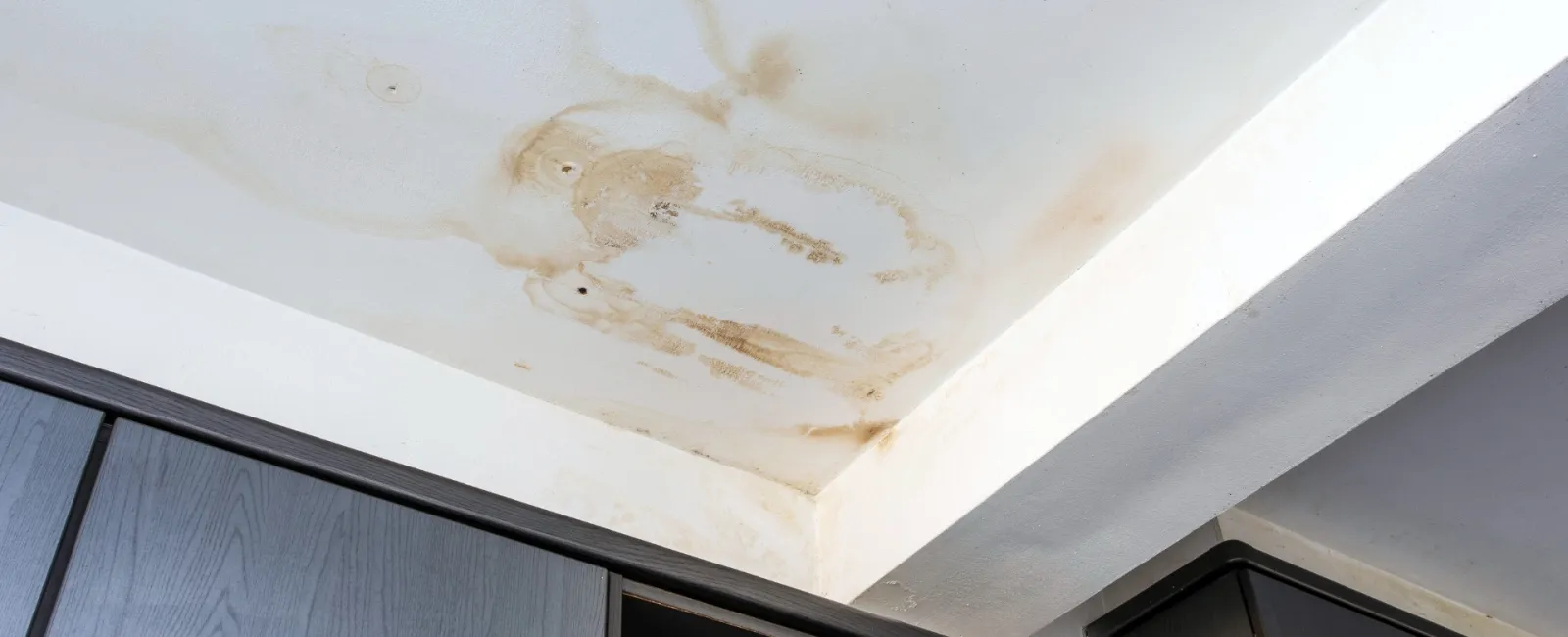
A water stain on the ceiling is
not just a blemish. It is a signal that water is getting into places it does not belong, and it will keep doing so until something changes. The stain
you see on the surface is the visible result of a leak or moisture source that
is almost certainly worse than it looks from below.
Finding the source matters far more than anything else. Until that question is answered, nothing is resolved. Here is how to read what the stain is telling you, identify whether plumbing is involved, and know when to call a licensed plumber.
What the Stain Pattern Actually Tells You
The appearance of the stain itself gives useful information about the nature of the leak above it.
A defined brown ring with a dry center: This classic pattern forms when water soaks through, evaporates, and leaves mineral deposits at the outer edge. It points to an intermittent leak rather than a constant drip. Pipes that only leak under pressure, fixtures that drip only when in use, and appliances that cycle on and off all produce this pattern.
An active wet spot or surface dripping: The source is still running. This is more urgent and should not wait.
Soft, sagging, or bubbling drywall: Significant water has accumulated in the ceiling cavity. The drywall is compromised, and the damage is more extensive than the visible surface suggests.
A stain that keeps returning or growing: The source has not been addressed. The leak is ongoing, and the damage is spreading.
Multiple stains or a stain in an unexpected location: Water travels along ceiling joists and framing before it drops. The visible stain can be several feet from the actual leak point. A stain in a hallway or living room may be coming from a bathroom several feet away.
The Three Categories of Ceiling Water Stains
Ceiling stains can come from three sources: plumbing above the ceiling, the roof, or condensation. Identifying which category applies determines who you need to call and what needs to happen next.
Plumbing Leaks
Plumbing is responsible for most ceiling stains in homes with living spaces above. Any water-carrying
component above the affected ceiling is a potential source:
- Supply lines and drain connections for toilets, sinks, tubs, and showers on the floor above
- A water heater located in an upstairs utility closet or mechanical room, where a slow drip from the tank, pressure relief valve, or supply connections goes unnoticed until it reaches the ceiling below
- Washing machine supply hoses or drain connections on an upper floor
- Supply pipes running through the ceiling cavity to serve fixtures elsewhere in the home
- Corroded cast iron drain lines in older Atlanta homes, which develop pinhole leaks at joints and fittings that produce a slow, consistent drip
The key indicator for plumbing: the stain grows or worsens when someone uses a fixture above. If the brown ring directly below an upstairs bathroom expands after showers or baths, the connection is almost certainly there. Our Atlanta leak detection specialists can pinpoint the source using pressure testing and moisture mapping, without unnecessary demolition.
Condensation
In some cases, what appears to
be a leak is actually moisture forming on cold pipes or HVAC ductwork above the
ceiling. Atlanta's high summer humidity means warm interior air contacting cold
supply pipes or refrigerant lines can produce enough condensation to stain the
ceiling below.
Condensation stains tend to follow HVAC ductwork or pipe runs, appear during the cooling season, and do not produce the sharp ring pattern associated with a slow point-source leak. The fix involves insulation improvements or humidity control rather than leak repair.
How to Narrow Down the Source
Before calling anyone, a few
observations can point the investigation in the right direction.
- Identify what is directly above the stain. Walk the floor above and note what is there: a bathroom, kitchen, laundry room, mechanical closet, or open living space. The presence of plumbing fixtures above a stain is significant.
- Track when the stain changes. Does it grow after rain? After someone showers? After the washing machine runs? Timing is often the most useful diagnostic clue available to a homeowner.
- Press gently on the drywall. Firm drywall suggests the moisture has had some time to dry. Soft or spongy drywall indicates ongoing or recent active moisture and more extensive hidden damage.
- Look at the floor above. If you can access the space, check around the base of toilets, under sinks, and behind appliances for any visible moisture, soft flooring, or discoloration.
- Check the attic if the stain is on the top floor. Look for water staining on rafters or sheathing, wet insulation, or daylight coming through the roof deck.
If the evidence points to a plumbing fixture or appliance, contact a licensed plumber. If it points to the roof, a roofing contractor is the right call. If you cannot determine the source after checking these things, professional leak detection is the logical next step.
Why Ceiling Stains Are Worse Than They Look
The damage visible on the
ceiling surface is almost always a fraction of what has actually occurred.
Water that reaches the ceiling has already traveled through subfloor material,
insulation, and framing above. By the time a stain becomes visible, water has
typically been present long enough to saturate surrounding materials.
A few things that commonly
develop in the ceiling cavity before the stain is noticed:
- Mold, which can begin growing within 24 to 48 hours in wet conditions and spreads through drywall, insulation, and wood framing before it is ever visible
- Structural softening of drywall, which loses integrity as it absorbs moisture and can eventually fail under its own weight
- Wood rot in ceiling joists or subfloor material above, which weakens the structure even after the moisture source is removed
- Damage to electrical wiring or junction boxes in the ceiling cavity, which creates a safety hazard that is invisible from below
This is why the urgency of finding the source scales with the length of time the stain has been present. A stain you noticed this week is a different situation from one that has been there for months.
Common Plumbing Sources in Atlanta Homes
The most frequent
plumbing-related ceiling stain sources our technicians find across metro
Atlanta reflect the local housing stock and construction patterns:
- Upstairs toilet wax ring failures or supply line connections weeping at the shutoff valve, particularly in homes built in the 1970s through 1990s across Cobb, DeKalb, and Gwinnett counties
- Water heaters installed in second-floor utility closets, common in Atlanta townhomes and two-story single-family homes, where a slow drip from the pressure relief valve or tank base reaches the ceiling below. This is a regular finding for our Atlanta water heater team
- Cast iron drain lines in older Atlanta homes that develop pinhole corrosion over decades, producing a slow drip at pipe joints that shows up as a ceiling stain one floor below
- Washing machine supply hoses on upper floors that fail at the connection point or develop pinhole leaks in aging rubber hoses
- Second-floor HVAC air handler condensate drain pans that overflow due to algae blockage, one of the more common summer calls in Atlanta, given the extended cooling season and high humidity
Each of these sources requires a different repair. Accurate diagnosis before any work begins is what separates a targeted, cost-effective repair from exploratory work that unnecessarily opens walls. Dalmatian's licensed leak detection technicians carry moisture meters, pressure testing equipment, and inspection cameras to every diagnostic call.
What Professional Leak Detection Involves
When the source of a ceiling
stain is not immediately visible, professional leak detection can accurately and efficiently locate it. The diagnostic approach depends on what the stain
pattern suggests, but typically includes:
Moisture mapping: A
moisture meter applied to the ceiling and surrounding areas reveals how far water has traveled, even in areas that appear dry on the surface. This helps
locate the origin point relative to where the water eventually showed up.
Pressure testing: Sections
of the supply line are pressurized and monitored for pressure drops, allowing the location of a supply line leak to be isolated without opening walls.
Visual inspection at likely
sources: Checking beneath sinks, behind toilets, at appliance connections,
and at the water heater for active dripping or accumulated moisture.
Camera or borescope access: In cases where pipe access is limited, a small camera allows inspection inside wall or ceiling cavities without full demolition.
The goal is to identify the source precisely so the repair is targeted rather than exploratory. Our Atlanta leak detection team does not guess or recommend opening walls until we know where we are going.
A Water Stain Is Not a Waiting Problem
Every day a leak source goes
unidentified, moisture continues accumulating in places you cannot see. The
structural and mold-related consequences of a slow, ongoing plumbing leak
compound over time, turning a straightforward pipe repair into a much
larger remediation project.
Dalmatian Plumbing's licensed
technicians serve Atlanta, Marietta, Kennesaw, Smyrna, Alpharetta,
Lawrenceville, and the entire metro area. With 75-plus years of combined technician experience, same-day availability, and 4.9 stars across 600-plus Google reviews, we are the team Atlanta homeowners call when something is wrong and they need an accurate answer fast.
If you have a water stain on
your ceiling and do not know where it is coming from, visit our Atlanta
leak detection page or call us to schedule a diagnostic visit today.