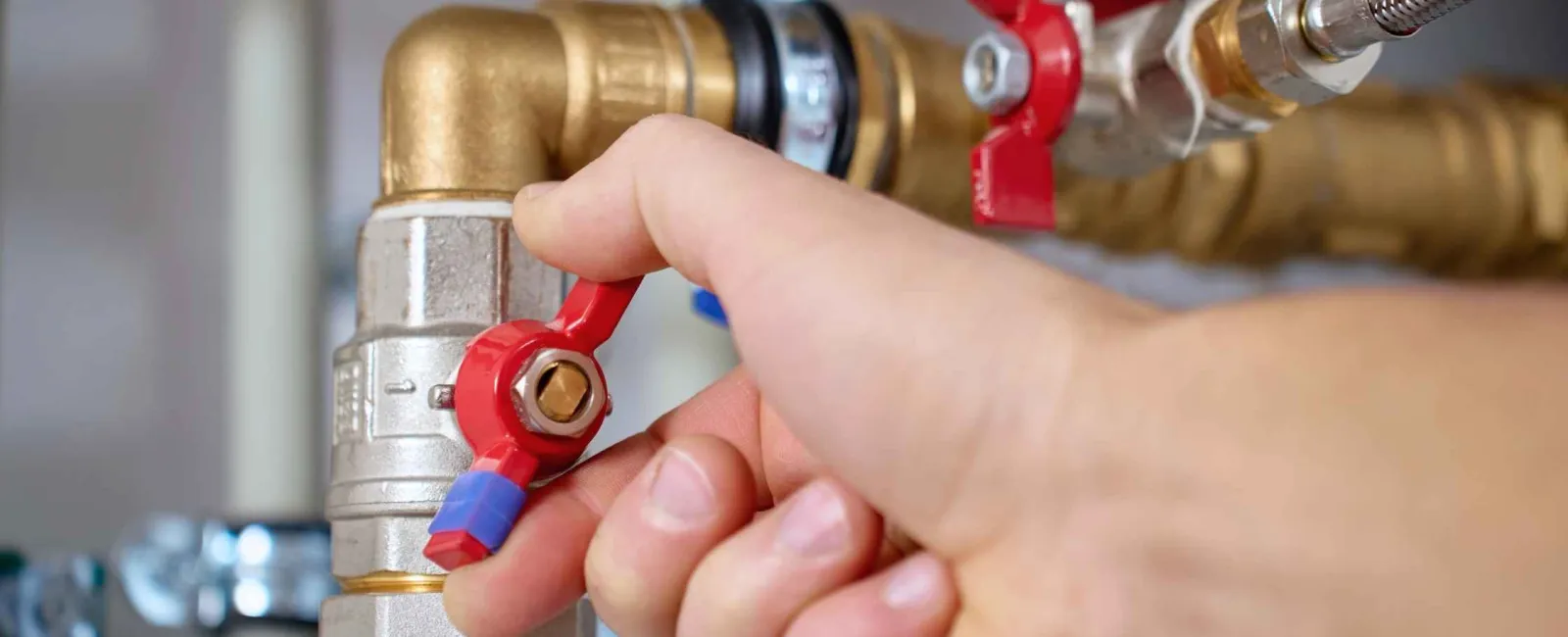
Knocking or banging pipes are not a normal part of homeownership, even in older homes. The sound is almost always a symptom of something specific happening in the plumbing system, and the timing tells you a lot about what that is. Pipes that knock when water is turned on point to different causes than pipes that knock at night when nothing is running. Getting the right diagnosis depends on understanding the difference.
These are the most common causes of pipe noise, what each pattern typically indicates, and when the problem warrants a call to a licensed plumber from Dalmatian Plumbing.
What Causes Pipes to Knock or Bang?
There are several distinct causes of pipe noise, and they are not all the same problem. Each one has a different mechanism, a different timing pattern, and a different level of urgency. Here is a breakdown of the most common ones.
Water Hammer
Water hammer is the most well-known cause of banging pipes, and also one of the most misunderstood. It happens when water that is moving through a pipe is suddenly stopped, usually by a fast-closing valve. The momentum of the moving water has nowhere to go and creates a pressure wave that travels back through the pipe, producing a loud bang or thud.
Modern dishwashers, washing machines, and solenoid-controlled valves are common triggers because they shut off water flow almost instantly. The bang typically occurs when the valve closes, or immediately after you turn off a faucet.
Water hammer is distinct from other causes of pipe noise and has its own solutions. See our post on what is water hammer and how to stop it for a full breakdown of how it works and what a plumber can do to address it.
Thermal Expansion and Contraction
Pipes expand when hot water flows through them and contract as they cool. In a well-supported plumbing system, this movement is accounted for. In systems where pipes run through tight spaces in walls, floors, or joists without enough room to move freely, that expansion and contraction produces a ticking, creaking, or knocking sound as the pipe rubs against surrounding framing or brackets.
This type of noise is most noticeable when hot water is first turned on, or in the minutes after hot water use stops and the pipes begin to cool. It tends to be more rhythmic, ticking, or popping than a sharp bang. Older Atlanta homes with copper or steel pipe runs through tight framing are particularly prone to this.
High Water Pressure
When household water pressure is higher than it should be, pipes can vibrate, rattle, or hum under the stress. The sound is often described as a rushing or humming noise that accompanies water use, but it can also produce intermittent knocking as the pressure creates turbulence inside the pipes.
Normal residential water pressure ranges from 40 to 60 PSI. Pressure above 80 PSI puts significant stress on pipes, fittings, and appliances. Beyond the noise, sustained high pressure accelerates wear on washers, valves, and joints throughout the system. A pressure-reducing valve (PRV) installed on the main line controls incoming pressure, but PRVs wear out over time and may need adjustment or replacement.
If you suspect pressure is the culprit, our post on water pressure regulator problems explains how PRVs fail and the signs to look for.
Loose Pipe Straps or Supports
Pipes run through walls, floors, and ceilings are held in place by straps, hangers, or brackets. When one of those supports loosens or fails, the pipe is free to move when water flows through it or when pressure changes. That movement causes the pipe to knock against nearby framing or other pipes.
Loose strap noise typically occurs when water is running, not when it is off. It may be localized to one area of the house, such as under a bathroom or near the laundry room, rather than throughout the system. The knocking may also be more pronounced when a nearby appliance, like a washing machine, cycles.
Sediment Buildup
In water heaters with significant sediment accumulation, heated water bubbling up through the sediment layer can produce popping, rumbling, or knocking sounds that travel through the connected pipes. If the knocking seems to originate near the water heater and happens when hot water is drawn, sediment buildup is a likely contributor.
This is closely tied to the water heater's health. See our post on why your water heater is making noise for a full breakdown of what different water heater sounds mean.
Pressure Fluctuations From the Water Main
Sometimes, pipe noise originates entirely outside the home. Municipal water mains can experience pressure surges, especially at night when overall demand drops and system pressure rises. Those surges travel into the home through the supply line and can cause pipes to knock or rattle even when no water is being used inside the house.
If knocking happens consistently at night with no apparent trigger inside the home, and other causes have been ruled out, main pressure fluctuations are worth discussing with a plumber who can measure incoming pressure at different times of day.
What the Timing Tells You
When It Happens |
Most Likely Cause |
When water is turned on |
Water hammer, high water pressure, or loose pipe straps |
When water is turned off |
Water hammer (pressure wave from sudden stop), or thermal contraction in pipes |
When hot water runs |
Thermal expansion: pipes expand as hot water flows through them |
At night when no water is running |
Thermal contraction as pipes cool, or pressure fluctuations from the water main |
Only from one fixture |
Loose strap or support near that fixture, or a localized pressure issue |
Throughout the house |
High water pressure or a main line issue affecting the whole system |
Are Knocking Pipes a Serious Problem?
The answer depends on the cause and how long it has been happening.
- Water hammer, if left unaddressed, can gradually weaken pipe joints, loosen fittings, and damage appliance valves. Repeated pressure waves stress the plumbing system in ways that accumulate over time. What starts as an annoying sound can eventually contribute to a leak at a joint or fitting.
- High water pressure is similarly damaging over the long term. Sustained pressure above recommended levels shortens the lifespan of every water-using appliance and fixture in the home, not just the pipes themselves.
- Loose pipe straps are lower urgency on their own but can allow pipes to shift enough that joints are stressed, particularly in older homes where pipe material is already showing its age.
- Thermal expansion noise is generally the least urgent, but pipes that have no room to expand and contract properly can crack or develop stress fractures over many years.
In short, pipe noise is worth investigating. The longer any of these causes go unaddressed, the more likely they are to contribute to a more expensive problem downstream.
Knocking Pipes in Older Atlanta Homes
Atlanta's housing stock includes a large number of homes built between the 1950s and 1980s with original copper or galvanized steel plumbing. These systems were not designed for today's water-using appliances, which close valves much faster than the fixtures of that era. The result is that water hammer is more common in older homes, and the pipes themselves may be less flexible than those of modern homes.
Older pipe supports also wear out. Straps that held pipes securely for decades can loosen as wood framing dries, shrinks, or shifts. Homes that have had any plumbing work done over the years may also have sections where pipes were left inadequately supported after the work was completed.
If your home is more than 30 years old and you are hearing pipe noise for the first time, it is worth having a plumber assess the system rather than waiting to see if it gets worse.
When to Call a Plumber
Contact a licensed plumber if:
- The knocking is loud, sharp, or has gotten worse over time
- Pipes knock even when no water is being used inside the house
- You notice the sound coming from inside the walls or under the floor
- The noise is accompanied by reduced water pressure, discolored water, or visible pipe movement
- The knocking started after a plumbing repair or appliance installation
- You hear the sound near the water heater
- Multiple fixtures trigger the noise throughout the house
A plumber can measure water pressure, inspect pipe supports, evaluate the need for a water-hammer arrestor, and assess whether joints or fittings show signs of stress. These are not problems that resolve on their own.
Call Dalmatian Plumbing for Noisy Pipes in Atlanta
Dalmatian Plumbing serves homeowners across the Atlanta metro area with licensed, background-checked plumbers and same-day service availability. If your pipes have been knocking, banging, or making noise you can't explain, do not wait for the problem to escalate.
Call us or contact us online to schedule a visit. Our trucks are stocked with most repair parts, and our work is backed by a 100% satisfaction guarantee and over 75 years of combined plumbing experience.