The average household leak wastes 9,400 gallons of water annually. That's not just water down the drain, it's money you'll never see again. As plumbing experts, we've seen minor problems that are ignored that turn into financial nightmares. A $5 flapper replacement that becomes a $200 water bill. A slow drain that becomes a $500 emergency call. A minor pipe leak that becomes $15,000 in water damage restoration.
The good news? Some of the most expensive plumbing disasters can be prevented. These seven fixes are relatively cheap, but save homeowners thousands over time. Some you can handle yourself in minutes, and others can require professional help, but they pay for themselves many times over.
Why Small Plumbing Problems Become Big Expenses
Plumbing issues are sneaky and don't announce themselves in a dramatic way. They hide behind walls, under floors, and inside fixtures, quietly causing damage until you're hit with a massive bill.
Consider the math: A single dripping faucet wasting one drop per second adds up to 2,600 gallons per year. At average water rates, that's $20 to $50 annually from one faucet. Now multiply that by every small leak, running toilet, and inefficiency in your home.
Wasted water is just the beginning; unchecked leaks cause mold growth, wood rot, foundation damage, and destroyed belongings. The average water damage insurance claim exceeds $11,000, and prevention costs a fraction of that.
The 7 Plumbing Fixes That Pay for Themselves
1. Fix That Running Toilet (Saves $50 to $200+ Per Month)
A running toilet is the single biggest water-waster in most homes. When the fill valve won't shut off or the flapper doesn't seal, water flows continuously from the tank to the bowl.
The real cost: A poorly functioning toilet wastes 200 gallons per day, and that's 6,000 gallons per month. Depending on your water rates, that's $50-200 added to every bill until you fix it. Over a year, you could waste $600 to $2,400 on water you never even used.
The fix: Most running toilets need one of three cheap parts: a flapper ($5-15), fill valve ($15-25), or flush valve ($20-30). The flapper alone solves 80% of running toilet problems.
DIY or Pro? This is one of the easiest DIY plumbing fixes. However, if you've replaced parts and the toilet still runs, or if you're not comfortable working with toilet mechanisms, professional toilet repair can quickly identify and resolve the underlying issue.
Money saved: A $15 flapper that stops a running toilet pays for itself in the first week. Over five years, that single fix saves $3,000 to $12,000 in wasted water.
2. Repair Dripping Faucets (Saves $20 to $100+ Per Year, Per Faucet)
That rhythmic drip from your kitchen or bathroom faucet seems minor, but a faucet dripping once per second wastes 3,000 gallons annually. If it's a hot water faucet, you're also paying to heat water that goes straight down the drain.
The real cost: Beyond the $20 to $100 in annual water waste per faucet, a dripping faucet signals worn internal components. Left unfixed, the wear spreads to other parts, and what starts as a $3 washer replacement becomes a $150 to $400 faucet replacement.
The fix: Most leaky faucets need an O-ring, washer, or cartridge replacement. These parts cost $3 to $25, depending on the type of faucet. The repair involves shutting off water, disassembling the handle, and swapping the worn part.
DIY or Pro? Faucet repairs range from simple to complex, depending on the faucet style. Compression faucets (two handles) are straightforward. Cartridge and ceramic disc faucets require more precision. If you're unsure about your faucet type or the repair seems beyond your skill level, a plumber can handle it quickly and ensure the fixture isn't damaged.
Money saved: Fixing a dripping faucet immediately saves $20 to $100 annually in water costs, prevents $100 to $400 in future faucet replacement costs, and stops the annoyance that affects your daily life.
3. Clear Slow Drains Before They Clog Completely (Saves $150 to $500 Per Emergency)
A slow drain is your plumbing system sending you a warning. Hair, soap scum, grease, and debris are building up in your pipes. Even if the water still gets through slowly, that partial clog will eventually become a complete blockage.
The real cost: A clogged drain during a dinner party, holiday gathering, or busy morning creates chaos. The price of emergency drain cleaning can vary depending on the severity and timing. Weekend and evening calls cost even more. Plus, standing water from backed-up drains can damage cabinets, floors, and walls.
The fix: Address slow drains immediately. Start with a plunger or drain snake for minor clogs. For recurring slow drains, the clog may be deeper in your system. Monthly maintenance with baking soda and hot water helps prevent buildup.
DIY or Pro? Simple clogs near the drain opening can be addressed with DIY methods. Persistent slow drains or clogs that affect multiple fixtures indicate problems deeper in your plumbing system. Professional drain cleaning clears the entire line and identifies potential issues before they become emergencies.
Money saved: A professional drain cleaning when you first notice slow drainage prevents the $300 to $500 emergency call when the drain stops completely. It also protects against water damage that can cost thousands.
4. Fix Small Pipe Leaks Immediately (Saves $5,000 to $25,000 in Water Damage)
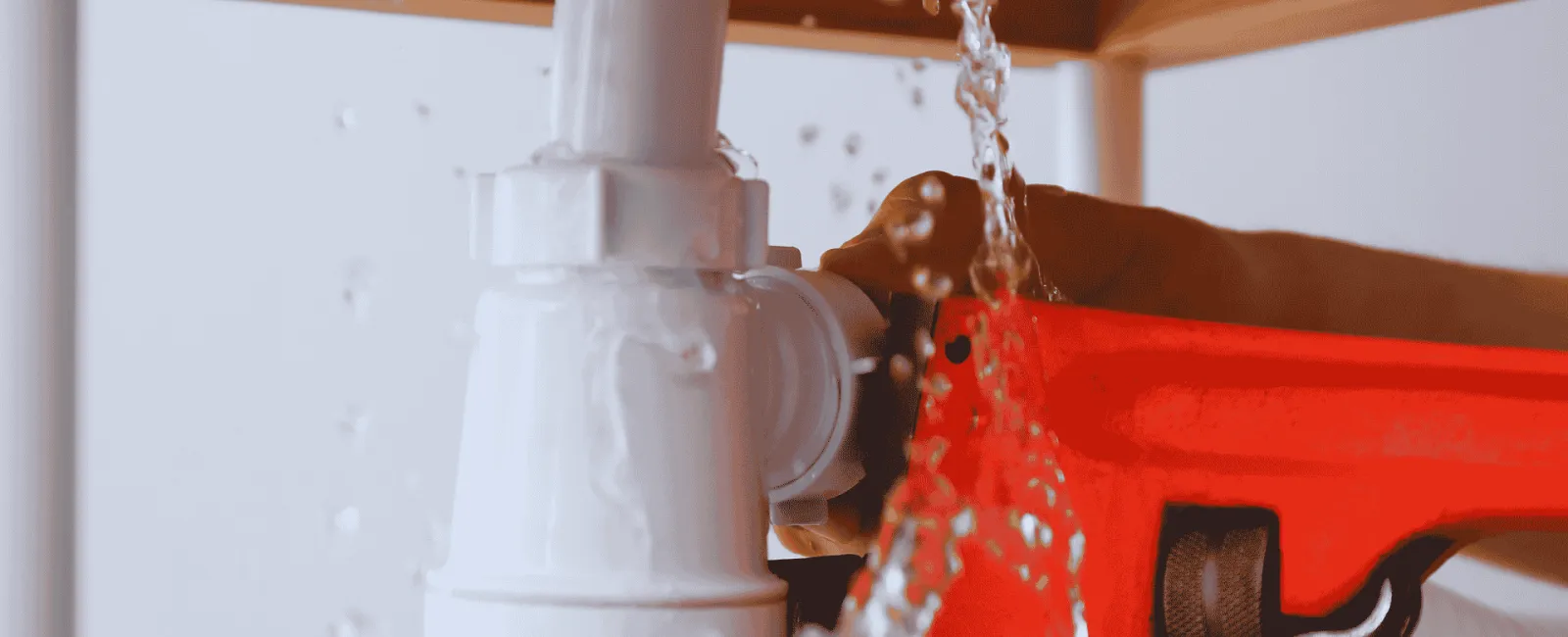
A small pipe leak might seem manageable, like a bit of moisture under the sink or a tiny wet spot showing on the ceiling. The problem is that a pinhole leak or a weeping joint is causing damage 24 hours a day, seven days a week, and a pipe leak will never fix itself; it only gets worse.
The real cost: Leaking pipes cause the most expensive plumbing-related damage, and water seeping into walls creates mold within 24-48 hours. Moisture weakens wood framing, damages drywall, and ruins insulation. The average cost of water damage restoration is $11,000 to $15,000. Severe mold remediation cases exceed $25,000.
The fix: The repair depends on the leak's location and cause. Joint leaks may need tightening or new fittings, but corroded sections require pipe replacement. Pinhole leaks in copper pipes often indicate systemic corrosion that needs professional assessment.
DIY or Pro? Temporary fixes like pipe tape or clamps might stop a leak briefly, but they're not permanent solutions. For any pipe leak, especially those hidden in walls, ceilings, or floors, professional repair ensures the job is done right. Expert water line repair also identifies the cause of the leak, preventing future problems.
Money saved: A small pipe repair is nothing compared to the $15,000 cost of water damage restoration. Acting quickly on visible leaks and detecting hidden leaks before they cause damage protects your home's structure and your finances.
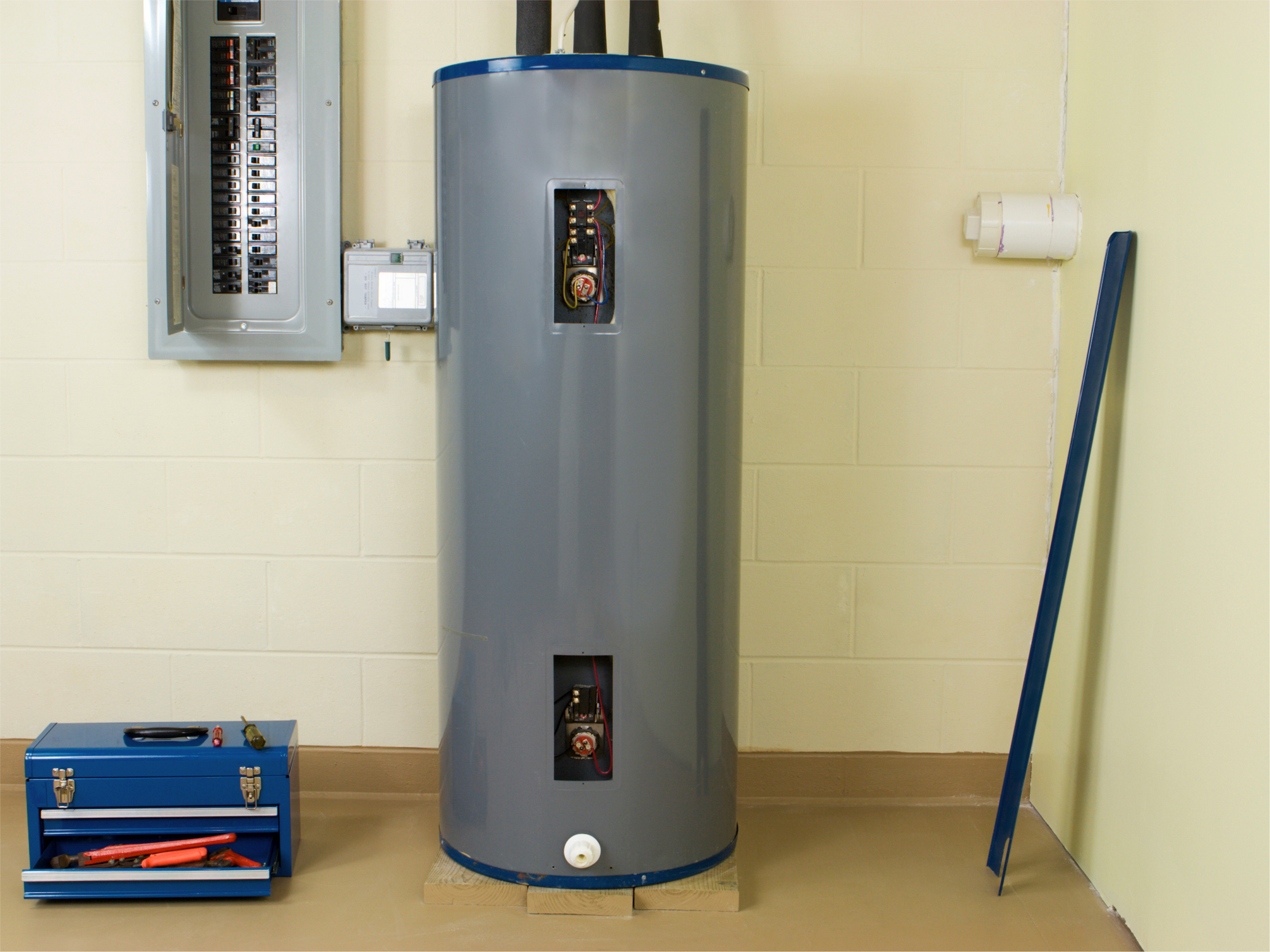
5. Maintain Your Water Heater Annually (Extends Life 5-8 Years)
Your water heater works hard every day, heating hundreds of gallons for showers, dishes, and laundry, but sediment from your water supply constantly settles at the bottom of the tank. Over time, this buildup reduces efficiency, causes strange noises, and dramatically shortens your water heater's lifespan.
The real cost: A neglected water heater typically lasts 8-10 years, but a well-maintained unit lasts 12-15 years or more. Since water heater replacement costs $1,000 to $3,000 installed, proper maintenance saves you an entire replacement cycle. Plus, sediment buildup forces your water heater to work harder, increasing energy bills by 15-25%.
The fix: Annual water heater maintenance includes flushing the tank to remove sediment, checking the anode rod (which prevents tank corrosion), testing the pressure relief valve, and inspecting all connections. This takes 30-60 minutes and costs nothing if you do it yourself.
DIY or Pro? Flushing a water heater is manageable for most homeowners who follow proper safety procedures. However, checking and replacing anode rods, inspecting gas connections, and diagnosing water heater problems requires experience. Professional water heater maintenance catches issues before they cause failure.
Money saved: Annual maintenance extends the water heater's life by 5-8 years (saving $1,000 to $3,000 in replacement costs), reduces energy bills by 15-25% annually, and prevents the disaster of a failed water heater flooding your home.
6. Address Low Water Pressure Early (Prevents $500 to $5,000 in Hidden Damage)
Low water pressure is annoying, causing weak showers, slow-filling washing machines, and faucets that barely flow. Beyond the inconvenience, low water pressure often signals a serious underlying problem: hidden leaks, corroded pipes, or failing components that will eventually require significant repairs.
The real cost: If a hidden leak causes low water pressure throughout your home, you're paying for water that could be damaging your property. If corroded pipes are the cause, those pipes will eventually fail, and what seems like an annoyance could be masking thousands of dollars in developing damage.
The fix: Start by checking obvious causes, such as clogged aerators, partially closed valves, or a faulty pressure regulator; clean showerheads and faucet aerators of mineral buildup. If pressure remains low, the problem likely requires professional diagnosis to check for leaks, pipe corrosion, or municipal supply issues.
DIY or Pro? Simple fixes like cleaning aerators or opening valves are easy DIY tasks. But if those don't restore pressure, don't ignore the problem. Low pressure affecting your whole house needs a professional investigation to rule out leaks, assess pipe condition, and identify the true cause.
Money saved: Diagnosing low water pressure early can reveal hidden leaks before they cause significant damage. Catching a $300 leak repair before it becomes a $10,000 water damage claim makes the investigation worthwhile.
7. Winterize Outdoor Faucets and Exposed Pipes (Prevents $1,000 to $10,000 in Burst Pipe Damage)
Frozen pipes are one of the most expensive plumbing disasters homeowners face. When water freezes, it expands with enough force to split copper, break joints, and rupture even sturdy pipe materials. The damage occurs silently while you sleep or are away, then reveals itself as catastrophic flooding when the ice thaws.
The real cost: A single burst pipe can release hundreds of gallons of water per hour into your home. The resulting damage to floors, walls, ceilings, furniture, and belongings routinely exceeds $5,000 to $ 10,000. If the burst occurs while you're away (on vacation, for example), damage could reach $50,000 or more.
The fix: Before freezing weather arrives, disconnect garden hoses, shut off outdoor faucet supply valves, and drain the remaining water. Insulate exposed pipes in unheated areas, such as garages, basements, and crawl spaces. During extreme cold, let faucets drip slightly to prevent freezing.
DIY or Pro? Basic winterization is straightforward DIY. Installing frost-proof outdoor faucets, adding pipe insulation under challenging areas, or protecting pipes in unheated spaces may benefit from professional installation. Professional plumbing services can assess your home's freeze risk and recommend appropriate protection.
Money saved: Pipe insulation costs $10 to $50 per home. Frost-proof faucets cost $50 to $150 installed. Compare that to $5,000 to $50,000 in burst pipe damage, and winterization is the best insurance you'll ever buy.
Creating a Plumbing Maintenance Schedule
The most cost-effective approach to plumbing is scheduled prevention rather than reactive repair. Here's a simple maintenance calendar:
Monthly:
- Check under sinks for moisture or leaks
- Test toilet flappers (add food coloring to the tank; if color appears in the bowl without flushing, the flapper needs replacement)
- Run water in rarely-used fixtures to prevent drain trap evaporation
- Check the water heater area for leaks or moisture
Quarterly:
- Clean faucet aerators and showerheads
- Test water pressure throughout the house
- Check washing machine and dishwasher hoses for bulges or cracks
- Inspect visible pipes for corrosion or damage
Annually:
- Flush the water heater to remove sediment
- Have drains professionally cleaned if slow drainage is recurring
- Inspect outdoor faucets and hose bibs before winter
- Consider a professional plumbing inspection for older homes
This routine takes minimal time but catches problems early when fixes are cheapest.
When DIY Makes Sense, And When It Doesn't
Some plumbing fixes are perfect for DIY. Others require professional expertise to avoid making problems worse or creating safety hazards.
Good DIY projects:
- Replacing toilet flappers and fill valves
- Unclogging drains with a plunger or a basic snake
- Replacing faucet aerators and showerheads
- Basic faucet washer and O-ring replacement
- Shutting off water in emergencies
- Basic winterization of outdoor faucets
Call a professional for:
- Any leak inside walls, floors, or ceilings
- Sewer line problems or main drain clogs
- Water heater repairs involving gas lines or electrical systems
- Low water pressure is affecting the whole house
- Pipe replacement or repiping projects
- Any job requiring permits or code compliance
- Problems you've tried to fix but can't resolve
The goal isn't to do everything yourself; it's to spend money wisely. Simple fixes save you service call fees. Complex problems benefit from professional expertise that prevents costly mistakes.
The Bottom Line: Prevention Costs Pennies, Problems Cost Thousands
Every dollar spent on plumbing maintenance returns $10 to $100 in prevented repairs and damage. A $15 toilet flapper prevents $2,000 in wasted water, a $100 drain cleaning prevents a $500 emergency, and a $150 water heater flush extends equipment life by $2,000 worth of years.
Start with the problems you already know about. That dripping faucet? Fix it this weekend. That running toilet? Replace the flapper today. That slow drain? Address it before it stops completely.
Then build prevention into your routine. A few minutes of monthly checks catch problems when they're still cheap to fix. An annual maintenance schedule keeps your entire plumbing system running efficiently for decades.
Professional Plumbing Services
Whether you need help with a specific repair, want a professional inspection to identify hidden problems, or prefer to have experts handle your annual maintenance. At Dalmatian Plumbing, our experienced plumbers provide comprehensive residential plumbing services. We diagnose issues accurately, explain your options clearly, and complete repairs efficiently.
Don't let minor plumbing problems become expensive disasters. Contact us for prompt, professional service that protects your home and your budget. From emergency repairs to scheduled maintenance, we help homeowners save money by keeping their plumbing systems in peak condition.