Somewhere in your house,
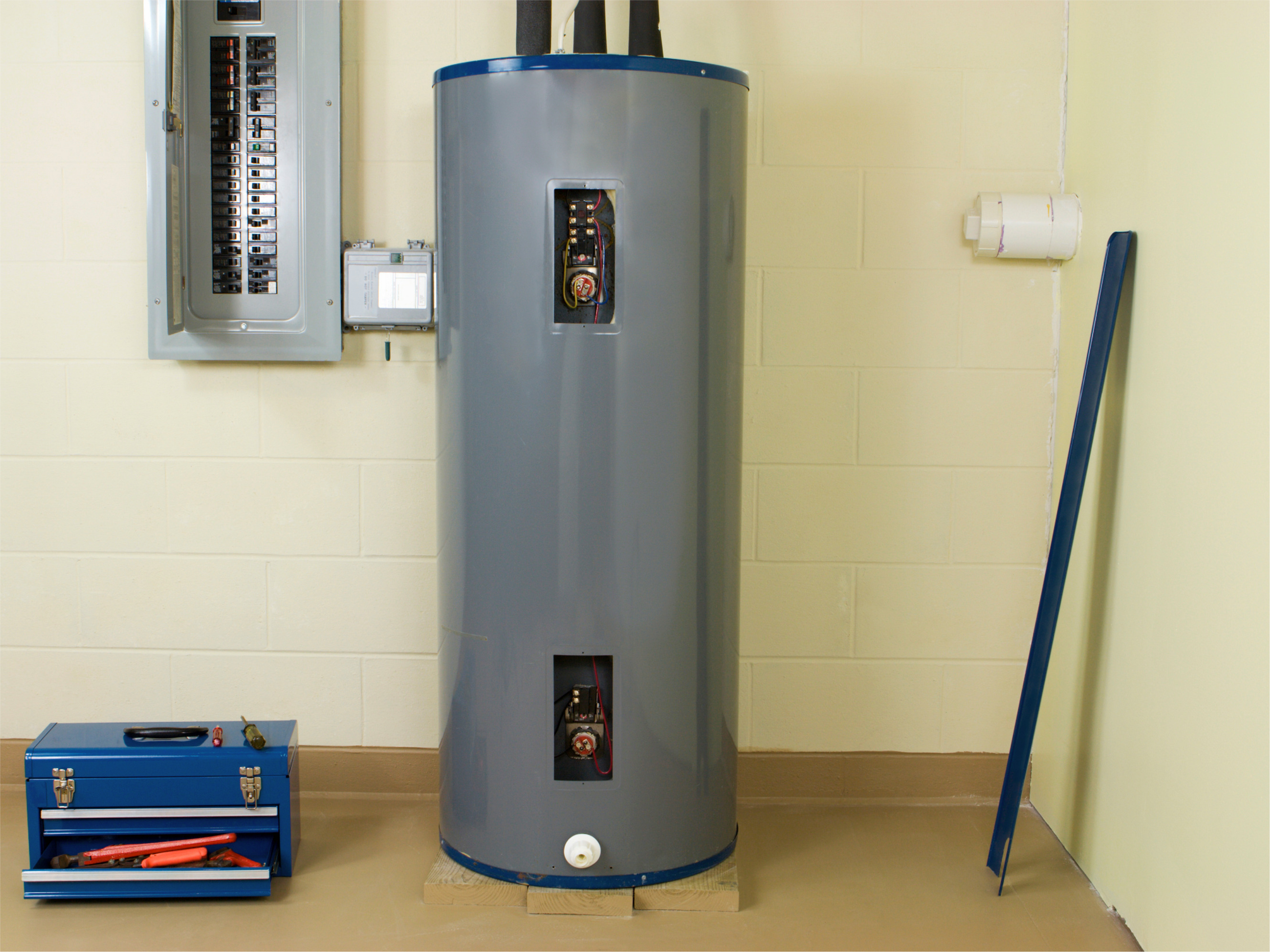
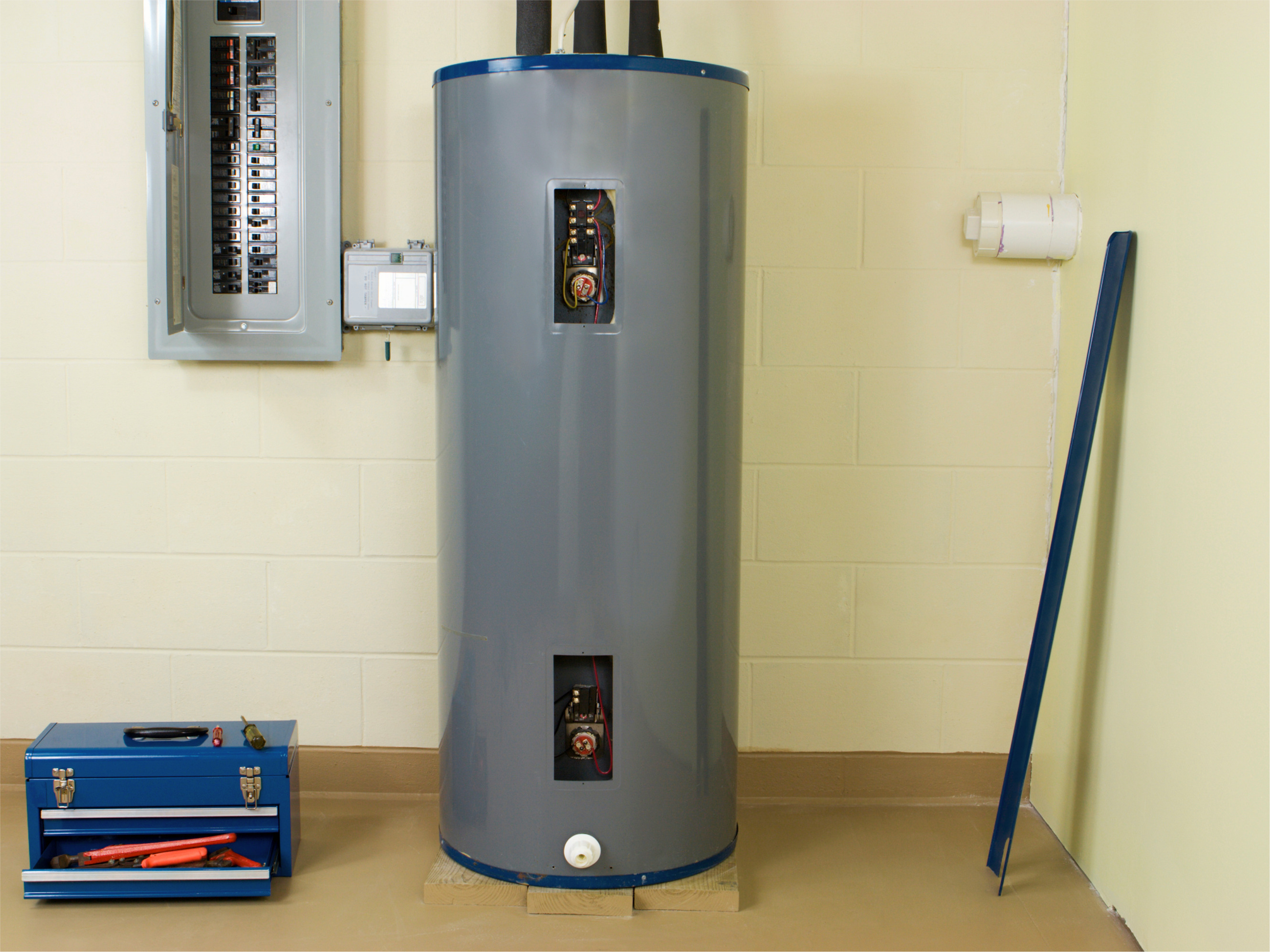
probably in a closet, the garage, or the basement, there is a steel tank
holding 40 or 50 gallons of water heated to well above body temperature. Most
of the time it sits there quietly for a decade or more and nobody gives it a second
thought.
However, a water heater can
explode, but an explosion almost never comes out of nowhere. It is the end
result of a specific chain of failures, and nearly every link in that chain
gives off a warning first.
Can a Water Heater Explode?
Yes. A storage tank water heater
can explode, and when it does, the result ranges from a flooded room to
structural damage to the home. A tank is a sealed pressure vessel. Water
expands as it heats, and a water heater is designed to manage that expansion with
a thermostat that stops the burner or heating element at a set temperature, and
a temperature and pressure relief valve (usually called the T&P valve) that
vents if either temperature or pressure climbs too high.
A water heater explosion happens
when those safeguards fail at the same time. If the thermostat sticks and keeps
heating, and the T&P valve is stuck, corroded shut, or capped off,
temperature and pressure inside the tank keep rising with nowhere to go. Water
heated past its boiling point under pressure stays liquid until the tank gives
way. The moment it ruptures, that superheated water flashes to steam and
expands violently, which is what gives a water heater the force to go through a
wall or a roof.
How Common Are Water Heater Explosions?
Water heater explosions are
rare. Millions of tank water heaters run in American homes without incident,
and modern units ship with multiple layers of protection. Reported explosions
typically trace back to a T&P valve that was removed, plugged, or allowed
to seize, combined with a thermostat failure or a deliberate attempt to run the
tank hotter than it was designed for.
What is far more common is the
slow version of the same failure: a tank that corrodes from the inside,
weakens, and eventually splits at a seam or the bottom. That does not launch
the heater across the room, but it does dump the full contents of the tank onto
your floor in minutes, and it often happens to tanks that were showing the same
warning signs an explosion would.
So, the practical takeaway is
not to lose sleep over the dramatic version. It is to understand that the
conditions leading to an explosion and the conditions leading to a ruptured,
leaking tank are the same conditions, and they are detectable.
What Causes a Water Heater to Explode?
Nearly every water heater
explosion comes down to some combination of the following.
A Failed Temperature and Pressure Relief Valve
The T&P valve is the single
most important safety device on the tank. It is the brass valve on the top or
upper side of the heater with a discharge pipe running down toward the floor.
If pressure exceeds roughly 150 psi or temperature exceeds about 210 degrees,
it is supposed to open and release water until conditions return to normal.
Over years of sitting untouched,
mineral scale and corrosion can seize the valve so it cannot open. Some
homeowners, annoyed by a drip from the discharge pipe, cap it or plug it, which
removes the one component standing between a sticking thermostat and a rupture.
A T&P valve that has never been tested is a T&P valve nobody knows the
status of.
A Stuck Thermostat or Runaway Heating
On a gas unit, the gas control
valve and thermostat tell the burner when to shut off. On an electric unit, the
thermostats control the heating elements, with a high-limit switch (the reset
button) as a backup. If a thermostat fails in the "on" position, the
tank keeps heating well past its set point. On its own, that produces scalding
water and a tripped reset button. Combined with a stuck T&P valve, it
produces a pressure vessel with no release.
Sediment Buildup at the Bottom of the Tank
Minerals in the water settle to
the bottom of the tank over time. On a gas heater, that layer of sediment sits
directly between the burner and the water. The burner has to run longer and
hotter to heat through it, the steel at the base of the tank overheats, and
pockets of water trapped under the sediment boil and pop. That is the rumbling
and banging sound many homeowners notice from an aging heater. The sustained
overheating weakens the tank bottom and stresses every component above it.
Corrosion and a Weakened Tank
Inside every tank is a
sacrificial anode rod whose job is to corrode so the steel tank does not. Once
that rod is used up, the tank itself starts rusting from the inside. A corroded
tank cannot hold the pressure it was rated for, which means it can fail at a
far lower pressure than a healthy one would. Rusty hot water and rust streaks
on the outside of the tank are signs this process is well underway.
Gas Leaks at the Burner or Supply Line
Specific to gas water heaters, a
leak at the gas control valve, supply connection, or a cracked burner assembly
allows natural gas to accumulate near an open flame. This is the scenario
behind most news stories about a house explosion from a water heater, and it
has nothing to do with water pressure. If you ever smell gas near the heater,
leave the house and call 911.
Thermal Expansion in a Closed Plumbing System
This one matters a great deal in
metro Atlanta. Many homes have a pressure-reducing valve or backflow preventer
where the water line enters the house. Those devices protect the plumbing, but
they also turn the home into a closed system: when the water heater warms up
and the water expands, that extra volume can no longer push back out toward the
street. Without an expansion tank to absorb it, pressure spikes every heating
cycle. Over years, that cycling wears out the T&P valve, stresses fittings,
and shortens the life of the tank. Georgia plumbing code has required expansion
tanks on closed systems for years, but a lot of older installations never had
one added.
Can a Gas Water Heater Explode Differently Than an Electric One?
Both types can explode from
pressure, because both heat water inside a sealed tank with a thermostat and a
T&P valve. The differences are in how they get there.
A gas water heater has the extra
gas-leak risk described above, and it tends to be harder on the tank bottom
because the burner is directly beneath the sediment layer. Gas units also vent
combustion gases, and a blocked or disconnected flue creates a carbon monoxide
hazard that is separate from explosion risk but just as serious.
An electric water heater has no
open flame and no gas line, so the house-explosion scenario does not apply.
What it does have is two heating elements inside the tank and a high-limit
switch meant to cut power if the water gets too hot. If an element shorts, a
thermostat sticks, and the high-limit switch fails, an electric tank can
overheat just like a gas one.
Can a Water Heater Explode If It Is Turned Off?
A water heater that is truly off
cannot build the heat needed for a pressure explosion. No burner, no heating
element, no rising temperature, no rising pressure. A tank that is already hot
will cool down on its own over several hours once the heat source is removed.
There are two caveats worth
knowing. First, "off" has to mean the heat source is actually off,
not just the hot water taps being unused. A gas heater on "pilot" or
"vacation" setting is still lit, just at a lower temperature. An
electric heater with the breaker on is still cycling. Second, turning a gas
unit off does not fix a gas leak. If gas is escaping from the supply line or
control valve, it can still accumulate and find an ignition source elsewhere in
the house, such as a furnace, a dryer, or a light switch.
So turning a heater off is a
reasonable thing to do if you are worried, but it is not a repair. A tank that
gave you a reason to turn it off still needs to be looked at before it goes
back on.
What Are the Warning Signs a Water Heater Could Explode?
Here are the signs that the
safeguards on your tank may be compromised. One of these on its own is a reason
to schedule an inspection. Two or more together, especially involving the
T&P valve, move it up to urgent.
1.
Rumbling, popping, or banging from the tank.
This is water boiling under a layer of sediment. It means the tank bottom is
overheating and the unit has been due for a professional flush for a while.
2.
Water or steam discharging from the T&P valve
pipe. An occasional drip during a heating cycle can happen on a closed
system without an expansion tank. A steady leak, hot water running from the
pipe, or any sign of steam means the valve is opening because pressure or
temperature is too high, and that is the system doing its job while telling you
something upstream is wrong.
3.
A T&P valve that is capped, plugged, or missing
its discharge pipe. If you look at your heater and the relief valve has
been blocked off, that is the single most dangerous condition on this list,
regardless of how the heater is otherwise running.
4.
Scalding hot water at the taps. Water coming out
noticeably hotter than it used to, or hot enough to be dangerous, points to a
thermostat that is no longer regulating.
5.
Rust-colored hot water, or rust and corrosion on the
tank. Both indicate the anode rod is spent and the tank is corroding from
the inside. A rusting tank is a weakened tank.
6.
Leaks around the base of the heater. Water
pooling under the tank can come from a fitting, the T&P discharge, or the
tank itself. If it is the tank, failure is coming.
7.
The smell of gas, or a rotten egg odor near the
heater. Natural gas is odorized to smell like sulfur or rotten eggs
specifically so you notice a leak. If you experience this, leave the house
immediately.
8.
A burning or metallic smell from the unit. On
electric heaters especially, this can mean an element or wiring is overheating.
9.
Age. Most tank water heaters are designed for a
service life of roughly 8 to 12 years. The older a tank gets, the more likely
its anode rod is gone, its T&P valve is seized, and its steel is thinning.
The serial number on the manufacturer label encodes the year it was built.
What Actually Happens When a Water Heater Blows Up?
It helps to understand that
there are really two different events people describe this way.
The first is a tank rupture. The
steel splits, usually at the bottom or along a seam, and the full contents
drain out quickly. In a closet or an upstairs utility room this means water
through ceilings and into walls. In a basement or garage it means standing
water and whatever was stored nearby is ruined. There is no blast, but the
damage is real and immediate.
The second is a true pressure
explosion. Because the water inside is superheated, the instant the tank
breaches it flashes to steam and expands to many times its liquid volume. That
is what turns the tank into a projectile and what can take out walls, floors,
and roofs. Anyone in the room is at serious risk from steam, scalding water,
and debris. This is the version that makes the news, and it is the version that
requires the T&P valve to have already failed.
A gas explosion from a leaking
water heater is a third scenario with its own damage pattern, and it is the one
that can affect the whole house rather than the room the heater sits in.
Why Atlanta Homes Deserve a Closer Look
A few things about housing in
the metro area raise the stakes on water heater maintenance.
A large share of homes in Cobb,
Gwinnett, north Fulton, and Cherokee were built during the 1990s and 2000s
building boom, which means a lot of tanks are either original or on their
second unit and pushing the end of their service life at the same time. Many of
those houses have the water heater in a garage or an attic. An attic
installation in particular turns a tank failure into a multi-floor water damage
event.
Metro Atlanta also has pressure-reducing valves on most homes because municipal street pressure can run high. As covered above, that makes the house a closed system, and if no expansion tank was ever installed, the heater has been pressure-cycling every day of its life. A dripping T&P valve is very often the first symptom of that.
North of the city, homes on well water in parts of Forsyth, Cherokee, and Paulding see heavier mineral loads, which means faster sediment buildup and more of that rumbling, overheating tank bottom described earlier.
Finally, intown bungalows and
ranches in neighborhoods like Decatur, East Atlanta, and Smyrna often have the
heater tucked into a small interior closet with no floor drain and limited
airflow. Those installs are easy to forget about until something goes wrong.
How Do You Prevent a Water Heater Explosion?
Prevention comes down to making
sure the safeguards actually work, and that is a job for a licensed plumber
rather than a weekend project, because it involves pressurized hot water, gas
connections, and 240 volt electrical components.
A professional water heater inspection covers the things that matter: testing the T&P valve to confirm
it opens and reseats, confirming the discharge pipe is properly routed,
checking the thermostat and gas control or heating elements, measuring incoming
water pressure and verifying an expansion tank is present and charged
correctly, inspecting the anode rod, and checking gas connections and venting
on gas units. The tank gets flushed to clear sediment, and our guide on flushing
a water heater and when it needs draining explains why that step matters so
much for the tank bottom.
Thermostat setting matters too.
Most manufacturers and safety organizations recommend a setting around 120
degrees, which is hot enough for household use while keeping scald risk and
pressure stress down. If your water is coming out of the tap hot enough to
hurt, that is worth mentioning when you schedule service.
When a tank is past its service
life, has visible corrosion, or has a history of T&P discharge, the honest
recommendation is often replacement rather than another repair. A new unit,
properly installed with an expansion tank and a tested relief valve, resets the
clock on every risk factor in this article. Dalmatian's water
heater repair and installation team handles both and will tell you plainly
which one makes sense.
What to Do If You Think Your Water Heater Is About to Fail
If you smell gas anywhere near
the heater, do not flip switches, light anything, or try to find the leak. Get
everyone out of the house, leave the door open behind you, and call your gas
utility's emergency line or 911 from outside. Once the gas side is handled, our
gas
line repair team can locate and correct the source.
If the T&P valve is
discharging hot water or steam, the tank is making loud banging sounds, or the
unit is visibly bulging or leaking from the body of the tank, keep people and
pets out of that room and away from the heater. Do not try to open, close, or
drain anything on the tank yourself. Call for emergency
plumbing service and describe exactly what you are seeing so the technician
comes prepared.
If the symptoms are the quieter
kind, such as rumbling, rusty water, a slow drip under the unit, or hot water
that is not as consistent as it used to be, you have time, but not unlimited
time. Schedule an inspection rather than waiting for the problem to escalate
Have Your Water Heater Checked Before It Becomes a Problem
A water heater explosion is rare
precisely because the safety systems on these tanks work when they are
maintained. The homeowners who run into trouble are almost always the ones
whose relief valve was never tested, whose expansion tank was never installed,
or whose tank aged past the point of trust.
Dalmatian Plumbing has served
Atlanta area homeowners for more than 25 years, and our technicians bring over
75 years of combined experience to every water heater call. Every technician is
licensed and background checked, we stock parts on every truck so most repairs
are finished on the first visit, and same day service is available.
If your water heater is making noise, leaking, or just older than you would like, call Dalmatian Plumbing at 404-314-3993 to schedule a water heater inspection.