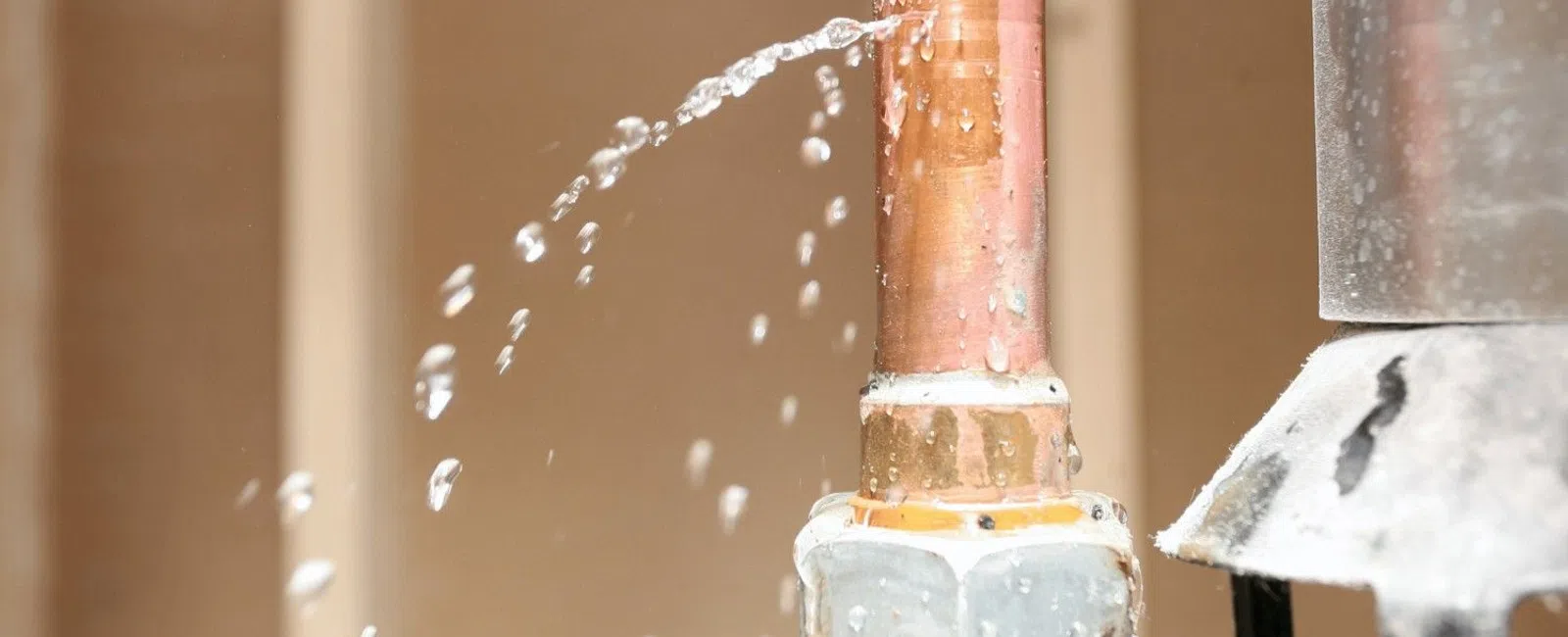
What Causes a Dishwasher to Leak
At its simplest, a dishwasher is a sealed box full of moving water. Every wash sends water under pressure through valves, hoses, and rubber seals, and any weak point in that path gives the water a way out. When homeowners ask what causes a dishwasher to leak, the usual suspects are:
- A worn or dirty door gasket that no longer forms a tight seal
- A cracked or loose water supply line feeding the machine
- A damaged drain hose or a loose hose clamp behind the unit
- A failing pump seal or float switch inside the dishwasher
- The wrong soap creating a flood of suds
- An older tub that has cracked or corroded with age
Any one of these can turn into a steady leak. Figuring out which one is behind your puddle is the first step, and where the water shows up gives a strong clue.
Why Is My Dishwasher Leaking From the Bottom
A leak pooling at the base of the machine is the version we get asked about most, and the source is almost always something low in the unit or in the plumbing tucked behind it. The pump seal can wear out, allowing water to escape beneath it. The gasket around the tub can fail. The fittings where the supply and drain lines connect to the machine can loosen over time and drip with every cycle. In older dishwashers, the bottom of the tub itself can corrode and develop a pinhole.
Because water spreads across the floor, a bottom leak often surfaces a few feet from the actual problem. Some of it travels toward the cabinet under the sink, which is the same tight space where you might already spot a leak under the kitchen sink from an unrelated fitting. A quick look there can be revealing, though the actual repair belongs with a plumber who can trace the water to its true origin.
Why Is My Dishwasher Leaking Bubbles
Foam spilling out the front door is its own kind of alarming, and it usually has a simpler story. The culprit is almost always the soap. Regular dish liquid or hand soap in place of dishwasher detergent whips up far more suds than the machine can contain, and that foam pushes right past the door seal onto your floor. Using too much detergent or an old, clumpy product can do the same thing.
Switch back to a proper dishwasher detergent and the bubbles typically stop. If the foam keeps returning even with the right soap, or you notice water backing up along with the suds, the problem may not be the detergent at all. A drain that is not clearing or a seal that is starting to give out can both show up as bubbling, and those point back to the plumbing rather than the soap aisle.
Leaks Around the Door and Seals
Not every leak comes from below. When water appears at the front of the machine partway through a cycle, the door is a prime suspect. The rubber gasket that lines the door gets brittle, collects food debris, or flattens with years of use, and once it stops sealing, water sneaks out the front. A latch that no longer pulls the door in tight, or a door that has drifted out of alignment, produces the same result. These leaks tend to be steady and show up in the same spot each wash.
Supply and Drain Line Connections
Some of the most stubborn leaks live in the plumbing that feeds and drains the dishwasher rather than in the appliance itself. The water supply line running from the shutoff valve, the drain hose looping up to the air gap or garbage disposal, and every clamp and fitting in between are all places a slow drip can start. A connection that has loosened or a line that has aged can weep water quietly for weeks.
This plumbing overlaps with the rest of your kitchen, which is why a leak here sometimes travels alongside other symptoms like a dishwasher that won't drain or a cranky garbage disposal that shares the same drain line. When several things act up at once, it is a sign the connections behind the cabinet deserve a closer look.
How to Fix a Leaking Dishwasher the Right Way
A leaking dishwasher is really a water and electricity problem sitting on your kitchen floor. Guessing at the source can mean a bigger flood, a shock risk from water meeting a live appliance, and hidden rot in the subfloor and cabinets that costs far more than the original drip.
So when you are searching for how to fix a leaking dishwasher, the safest first moves are simple and protective, not mechanical. Stop the cycle, switch the unit off at the breaker, close the water supply valve under the sink, and mop up what you can. From there, a licensed plumber can pinpoint whether the water is coming from a seal, the pump, a fitting, or a supply line using proper leak detection rather than trial and error. Catching it early is what keeps a minor repair from becoming warped floors or a stained ceiling in the room below.
Call Dalmatian Plumbing for a Leak You Can Trust to Get Fixed Once
For more than 25 years, Dalmatian Plumbing has helped Atlanta-area homeowners track down leaks and fix them right the first time, backed by more than 75 years of combined technicians' experience and a 4.9-star rating based on 600-plus Google reviews. Our licensed, background-checked plumbers arrive with parts stocked on every truck, offer same-day service, and stand behind every visit with a 100% satisfaction guarantee. If your dishwasher is leaking and you would rather skip the guesswork, call us today or schedule your service online, and we will find the source and take care of it.