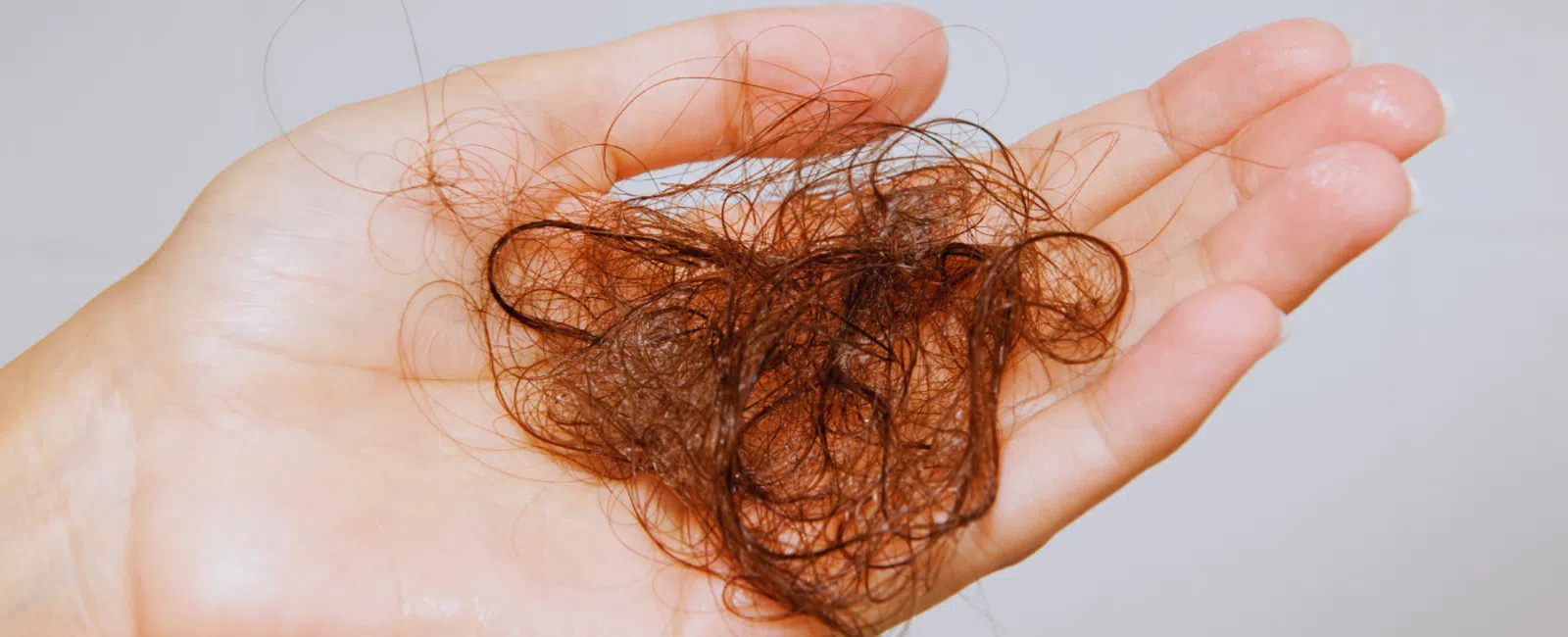
Yes, hair can clog a toilet, and
you should not flush it. Hair does not dissolve or break down in water the way
toilet paper does. Instead, it tangles, clings to rough spots inside the pipe,
and works like a net that catches toilet paper, wipes, and grease as they pass
by. A few stray strands will not stop up your toilet overnight, but a habit of
flushing hair from brushes, shaving, or haircuts can build into a clog in the
toilet trap, the drain line, or the main sewer line further down.
Below, we explain why hair is
such a problem for plumbing, why it tends to cause bigger trouble in older
metro Atlanta homes, and the other common items that clog toilets more often
than most people expect.
Why Does Hair Clog Toilets?
Hair is made mostly of keratin,
a tough protein built to hold up against water, heat, and friction. That is
great for the hair on your head and bad news for your plumbing. Here is what
makes it different from what a toilet is designed to handle:
- It does not break down. Toilet paper is made to fall apart within seconds of getting wet. Hair can sit in a pipe for months and look exactly the same.
- It tangles. Strands wrap around each other and form clumps, and those clumps grow every time more hair joins them.
- It snags. The toilet's internal trap is a tight, curved passage, and the drain pipes behind it have joints and bends. Hair catches on all of them.
- It traps everything else. Once a mat of hair is anchored in a pipe, it catches toilet paper, soap residue, grease, and anything else that should have passed through. That is how a small hair problem becomes a full blockage.
This is the same reason shower
and bathtub drains clog with hair. The difference is that a shower drain
usually shows you the problem right away. A toilet sends hair out of sight,
where it can build up for a long time before you notice anything wrong.
What Happens After You Flush Hair?
When you flush hair, it has
three main places to get stuck on its way out of your home:
- The toilet trap. The S-shaped channel built into the porcelain is the first tight turn. Long strands or clumps from a hairbrush can hang up here and catch the next flush.
- The branch drain. The pipe running from your toilet to the main line has joints and fittings where hair can collect, especially if the pipe is older or has buildup inside.
- The main sewer line. Hair that makes it this far can combine with grease, wipes, and tree roots to form blockages that affect every drain in the house.
If your home is on a septic
system, hair adds another problem. Bacteria in a septic tank break down waste,
but they do not break down hair. It adds to the sludge layer and can collect
around filters and outlet fittings over time.
Is It Okay to Flush a Little Hair?
An occasional stray hair that
falls into the bowl is not going to clog your toilet. The problem is volume and
habit. Cleaning out a hairbrush into the toilet, trimming or shaving over the
bowl, or flushing hair after a haircut sends much more hair into your pipes
than most people realize, and it adds up week after week.
The same goes for pet hair. Pet
hair is especially troublesome because there is usually so much of it, and it
clumps easily. The safest habit is simple: hair goes in the trash, not the
toilet.
Why Hair Clogs Hit Older Atlanta Homes Harder
After more than 25 years working
in metro Atlanta homes, we see hair clogs cause the most trouble in a few
situations that are common around here.
Cast iron drain lines with rough interiors
Many homes built in the Atlanta
area before the 1970s have cast iron drain pipes. As cast iron ages, the inside
of the pipe develops rust and scale that turns a once-smooth surface into
something closer to sandpaper. Hair grabs onto that rough surface far more
easily than it would inside newer PVC pipe.
Tree roots in clay and older sewer lines
Atlanta's mature trees are
beautiful, but their roots find their way into older clay and cast iron sewer
lines through small cracks and joints. Fine roots inside a pipe act like a
strainer, and hair is one of the first things they catch. When hair, roots, and
toilet paper come together, the result is often a main line clog that backs up
into tubs and floor drains. If you are not sure where your clog is, our blog on
telling
a drain clog from a sewer line clog walks through the warning signs.
Septic homes in the outer suburbs
Plenty of homes in the farther
reaches of metro Atlanta, from parts of Cherokee and Forsyth counties to the
western edges of Cobb and Paulding, are on septic systems instead of city
sewer. Hair does not break down in a septic tank, so what goes into the toilet
stays in the system until it is pumped out.
Older, lower-flow toilets
Some toilets installed in the
late 1990s were among the first low-flow models, and many of them have weaker
flushes than today's designs. A weak flush is more likely to leave hair behind
in the trap, where it catches the next thing that comes along. If this sounds
familiar, you may be dealing with a toilet that keeps
clogging for more than one reason.
Other Common Things That Clog a Toilet
Hair is far from the only thing
people flush that does not belong in a toilet. The only things a toilet and
sewer system are designed to handle are human waste and toilet paper. Here are
the items our plumbers find in clogged toilets and drain lines most often:
|
Item |
Can you flush it? |
Why it causes trouble |
|
Hair (human or pet) |
No |
Does not dissolve, tangles, and catches other debris |
|
"Flushable" wipes and baby wipes |
No |
Built to stay strong when wet, so they do not break apart
like toilet paper |
|
Paper towels |
No |
Designed to absorb and hold together, not fall apart |
|
Facial tissues and Kleenex |
No |
Often made with added strength so they do not tear when
wet |
|
Tampons, pads, and applicators |
No |
Absorb water, swell, and lodge in the trap or drain line |
|
Cotton swabs and cotton balls |
No |
Do not break down and collect at pipe bends |
|
Dental floss |
No |
Wraps around other debris and acts like hair |
|
Cat litter |
No |
Clumping litter is designed to absorb water and harden |
|
Grease and cooking oil |
No |
Cools into a sticky solid that coats pipes and traps hair |
|
Food scraps |
No |
Toilets are not built to grind food like a disposal |
|
Chewing gum |
No |
Sticky, insoluble, and hard to move once lodged |
|
Too much toilet paper at once |
Only in reasonable amounts |
Large wads can overwhelm the trap in a single flush |
A few of these deserve a closer
look because we see them so often:
"Flushable" wipes
Just because a package says
flushable does not mean the wipe breaks down like toilet paper. Wipes are made
to stay intact when wet, which is exactly what you do not want in a drain line.
Combined with hair, they are one of the most common causes of main line clogs
we clear.
Paper towels and tissues
When the toilet paper roll runs
out, a paper towel or tissue seems like a close enough substitute. It is not.
Both are designed to hold together when wet, and they can snag in the trap the
same way hair does.
Feminine hygiene products
Tampons and pads are built to
absorb liquid and expand. Once flushed, they swell inside the trap or drain
pipe and are one of the most frequent reasons we have to pull a toilet to clear
a clog.
Cat litter and pet waste
Clumping litter is designed to
soak up moisture and harden, which is the opposite of what should go down a
drain. Even litter labeled flushable can build up in older pipes and septic
systems.
Kids' toys and small objects
If you have young children, toy
cars, bath toys, and toothbrushes find their way into the bowl more often than
you would think. Hard objects can lodge in the trap and cause repeated partial
clogs until they are removed.
Signs Hair or Debris Is Building Up in Your Plumbing
Hair clogs rarely happen all at
once. They build gradually, and your plumbing usually gives you warning signs
first:
- The toilet flushes slowly or the water rises higher in the bowl than normal before draining.
- You hear gurgling or bubbling from the toilet after flushing or when another fixture drains.
- The toilet needs a plunger more often than it used to.
- Tubs, showers, or sinks near the toilet start draining slowly at the same time.
- You notice sewer odors in the bathroom that were not there before.
One slow toilet is usually a
local clog. Several slow fixtures at once usually point to a problem in the
main line, and that needs professional attention before it turns into a backup.
What to Do If Hair or Something Else Has Already Been Flushed
If you know something went down
that should not have, or your toilet is showing signs of a clog, the most
important thing is to avoid making it worse:
- Stop flushing. If the water is rising, another flush can send it over the rim.
- Skip the chemical drain cleaners. They are not designed to break down hair in a toilet, they can damage older pipes and toilet seals, and they create a hazard for anyone who has to work on the line afterward.
- Call a licensed plumber. A plumber can find where the clog is and clear it without damaging your toilet or pipes.
How a Plumber Clears a Hair Clog
Because hair can stop at the
toilet or travel much further, clearing it the right way starts with finding
it. A typical professional approach looks like this:
- Pinpoint the location. The plumber checks whether the clog affects only the toilet or several fixtures, which tells them whether it is in the trap, the branch line, or the main line.
- Clear the toilet trap. A professional toilet auger is designed to reach through the trap without scratching the porcelain.
- Pull the toilet if needed. Solid objects and dense hair mats sometimes have to be removed from underneath, and the seal is replaced when the toilet is reset.
- Inspect the line with a camera. For recurring clogs, a sewer camera inspection shows exactly where hair and debris are catching and whether roots or pipe damage are involved.
- Clean the line thoroughly. Professional drain cleaning, including hydro jetting when appropriate, removes hair, grease, and buildup from the pipe walls so the next clog does not start in the same spot.
Frequently Asked Questions
Does hair dissolve in water?
No. Hair is made of keratin,
which does not dissolve in water or break down in your pipes. It can sit in a
drain line for a very long time without changing.
Can pet hair go down the toilet?
No. Pet hair is often finer and
more plentiful than human hair, and it mats together quickly. Brushings from
dogs and cats should always go in the trash.
Will hair hurt a septic system?
Yes, over time. Septic bacteria
do not break down hair, so it stays in the tank, adds to the sludge layer, and
can collect around filters and outlets.
What dissolves hair in a toilet?
Nothing you should pour into a
toilet will reliably dissolve hair, and harsh chemicals can damage older pipes
and seals. The safest way to deal with a hair clog is to have a plumber remove
it mechanically.
Dealing With a Clogged Toilet? Call Dalmatian Plumbing
Whether it is hair, wipes, or
something a little one sent for a swim, Dalmatian Plumbing can find the clog
and clear it the right way. Our family-owned team has served metro Atlanta
homeowners for more than 25 years, with licensed, background-checked plumbers,
parts stocked on every truck, same-day service, and a 100% satisfaction
guarantee.
Call Dalmatian Plumbing at
404-314-3993 or learn more about our toilet
repair and installation services.