Yes, hydro jetting is safe for most old pipes, as long as
the pipes are still structurally sound. What matters is the condition of the
line, not its age. A 60-year-old cast iron sewer line with solid walls can
handle a professional jetting just fine, while a cracked clay line or a
collapsing section of Orangeburg pipe can be made worse by high-pressure water.
That is why a sewer camera inspection should always come before hydro jetting
on an older home.
If you live in one of Atlanta's older neighborhoods and a
plumber has recommended hydro jetting, this guide explains how the process
works, which pipe materials need extra caution, and how a professional decides
whether jetting is the right call for your line.
What Is Hydro Jetting?
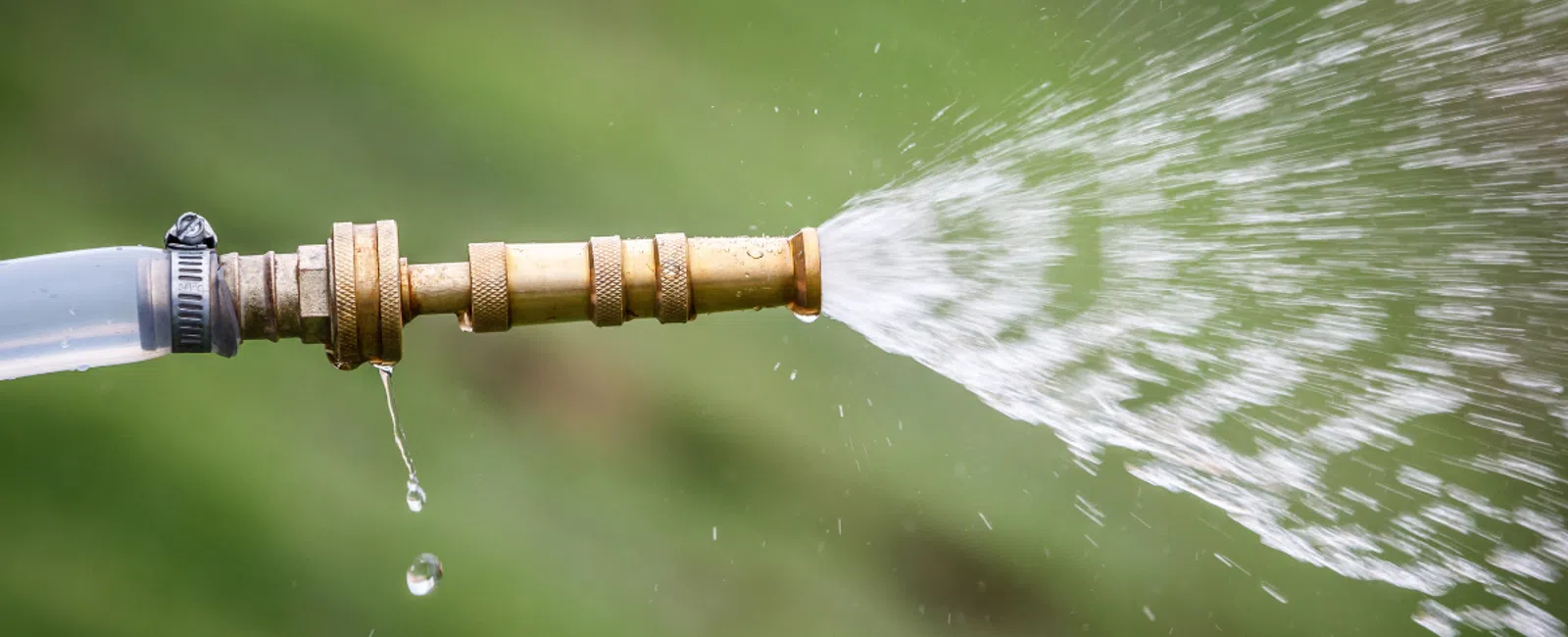
Hydro jetting is a drain and sewer cleaning method that uses
a stream of highly pressurized water to scour the inside of a pipe. A plumber
feeds a flexible hose with a specialized nozzle into the line, usually through
a sewer cleanout. The nozzle has a forward jet that breaks through the blockage
and rear-facing jets that push the hose forward while scrubbing the full
circumference of the pipe wall.
Residential jetting equipment typically operates somewhere
between 1,500 and 4,000 PSI, and a trained technician adjusts both pressure and
nozzle type to match the pipe. That adjustability is the main reason jetting
can be used safely on older systems. It is not one setting for every home.
Unlike a drain snake, which punches a hole through a clog,
hydro jetting cleans the entire interior of the pipe. It removes grease, soap
scum, mineral scale, sludge, and small tree roots, which is why the results
tend to last longer. If you are weighing the two methods, our guide to the
difference between drain and sewer line problems is a good place to start.
Can Hydro Jetting Damage Old Pipes?
It can, but only when the pipe is already compromised. Hydro
jetting does not create cracks in healthy pipe. What it can do is expose or
worsen damage that already exists. The most common risks with older lines are:
- Widening existing cracks. Pressurized water can push into a crack and break loose pipe material that was barely hanging on.
- Dislodging heavy corrosion. In old cast iron, jetting can knock loose large flakes of scale that then settle further down the line.
- Collapsing a weakened section. Pipe that has lost much of its wall thickness, or has already begun to deform, may not hold up to the force.
- Separating failing joints. Older clay and cast iron lines rely on joints that can shift over decades. A joint that is already offset may open further.
- Leaks behind walls or under slabs. If a pipe is already leaking, jetting may make a slow leak worse and more noticeable.
None of these risks are a reason to avoid hydro jetting
altogether. They are a reason to know the condition of the pipe before the
jetter goes in.
How Different Pipe Materials Handle Hydro Jetting
Atlanta has a wide range of housing stock, from early 1900s
bungalows in Kirkwood and Grant Park to 1950s and 1960s ranch homes across
Decatur, Smyrna, and Marietta to newer construction in Alpharetta and
Lawrenceville. The pipe material under your home largely depends on when it was
built.
Cast Iron
Cast iron was the standard for drain and sewer lines in
homes built before the 1970s. It is strong, but it corrodes from the inside
over time, forming rough scale and tuberculation that catch debris and narrow
the pipe. Hydro jetting is often a good fit for cast iron that still has solid
walls, because it removes buildup that a snake would leave behind. The risk
comes when corrosion has thinned the bottom of the pipe or created pinholes. A
camera inspection shows whether the pipe is a candidate for jetting or whether
it needs descaling, lining, or replacement instead.
Clay Tile
Many older Atlanta sewer laterals, the line that runs from
the house to the city connection, are made of vitrified clay. Clay itself
resists corrosion well, but it is brittle and comes in short sections joined
together. Those joints are exactly where tree roots find their way in. Hydro
jetting can clear roots from clay pipe effectively, but a plumber needs to
confirm there are no cracked, broken, or badly offset sections first. For more
on how roots get in, see our post on tree
roots in your sewer line.
Orangeburg Pipe
Orangeburg is a fiber pipe made from layered wood pulp and
pitch, used in many homes built between the 1940s and early 1970s. It softens,
blisters, and deforms as it ages. Of all older pipe materials, Orangeburg is
the one where hydro jetting carries the most risk. If a camera inspection finds
Orangeburg in your line, the conversation usually shifts from cleaning to
replacement.
Galvanized Steel
Galvanized steel was common for water supply lines and some
drain lines through the mid-20th century. It rusts from the inside out, which
narrows the pipe and weakens its walls. Jetting is sometimes used on galvanized
drain lines, but heavily corroded sections are fragile and are often better
candidates for replacement.
PVC and ABS
Plastic drain and sewer pipe became standard in the 1970s
and later. It is smooth, corrosion resistant, and handles hydro jetting well
when installed properly. Even with plastic pipe, a plumber will look for poorly
glued joints, bellies, or sections that were damaged during installation. If
your home has other older plastic lines, our article on polybutylene
pipes in older homes covers another material worth knowing about.
Why Old Pipes in Atlanta Face Extra Stress
Age is only part of the picture here. A few local conditions
put more strain on older lines than you would see in many other parts of the
country:
- Red clay soil. Georgia's clay-heavy soil expands when it is wet and shrinks during dry spells. That constant movement puts pressure on rigid pipe and can shift joints out of alignment over the years.
- Mature trees. Established neighborhoods are full of large water oaks, willow oaks, and other trees with aggressive root systems that go looking for moisture in sewer lines.
- Older lateral lines. Many homes still have their original clay or cast iron lateral, even when the plumbing inside the house has been updated.
- Grease and heavy use. Older kitchen lines that have served multiple owners often carry decades of grease buildup that a snake cannot fully remove.
These are the same conditions that make hydro jetting useful
in the first place. They are also why inspecting the line before jetting
matters so much in older Atlanta homes.
Why a Camera Inspection Comes First
A sewer
camera inspection is the most reliable way to decide whether hydro jetting
is safe for your pipes. A plumber feeds a waterproof camera through the line
and looks at the actual condition of the pipe walls, joints, and any blockages.
The camera tells your plumber:
- What the pipe is made of, including any sections that were repaired or replaced with a different material
- Whether there are cracks, offsets, bellies, or collapsed sections
- How much corrosion, scale, or root intrusion is present
- Exactly where the problem is located and how deep it sits
If the line looks sound, jetting can move forward with the
right pressure and nozzle. If the camera finds serious damage, a plumber can
recommend a gentler cleaning method or talk through sewer
line repair options instead of risking further harm.
How a Professional Hydro Jetting Service Works on Older Lines
When Dalmatian Plumbing jets an older line, the process
looks like this:
- Inspect the line with a camera to confirm pipe material, condition, and the location of the blockage.
- Choose the right pressure and nozzle for the pipe material and the type of buildup, whether that is grease, scale, or roots.
- Enter through the cleanout so the hose can travel the line without stressing fixtures or interior drains.
- Clean the full pipe diameter, working the nozzle through the line to scour walls instead of just punching through the clog.
- Run the camera again to confirm the line is clear and to check that no new issues appeared during cleaning.
That final camera pass is an important step on older pipes.
It gives you a clear record of the line's condition after cleaning and helps
catch anything that needs attention before it turns into a backup.
When Hydro Jetting Is Not the Right Choice
Sometimes the camera shows that jetting is not the best
path. A professional may recommend a different approach if the line has:
- Collapsed or severely deformed sections
- Orangeburg pipe that has started to break down
- Large cracks or joints that have separated
- Cast iron with heavy wall loss or holes along the bottom
- Root masses so large that they need to be cut before any water pressure is applied
In these cases, a plumber may use a mechanical cutter or
cable machine with a softer approach, recommend descaling for cast iron, or
move directly to repair. You should also avoid pouring chemical cleaners into
an old line to try to clear it. They can be harder on aging pipe than most
people realize, as explained in our article on how
chemical drain cleaners affect your pipes.
Signs Your Old Pipes May Need Professional Cleaning
If your home has older plumbing, these warning signs usually
mean it is time for a professional to take a look:
- Multiple drains backing up or draining slowly at the same time
- Gurgling from toilets or tubs when another fixture drains
- Sewage odors inside the house or near the cleanout
- Water coming up in a shower or tub when a toilet is flushed
- Recurring clogs that come back soon after snaking
Several of these point to a problem in the main line rather
than a single fixture. Our guide on how
to tell if your main sewer line is clogged covers these symptoms in more
detail.
Frequently Asked Questions
Is hydro jetting safe for cast iron pipes?
Yes, in most cases. Hydro jetting works well on cast iron
that still has solid walls because it removes the scale and buildup that a
snake leaves behind. A camera inspection should confirm the pipe does not have
thin spots, holes, or heavy wall loss first.
Is hydro jetting safe for clay sewer pipes?
It can be. Hydro jetting is effective at clearing roots from
clay pipe, but the line needs to be checked for cracks, broken sections, and
offset joints before jetting begins.
What are the risks of hydro jetting?
The main risks are worsening damage that already exists,
such as cracks, failing joints, heavy corrosion, or deteriorated Orangeburg
pipe. Healthy pipes are not damaged by professional hydro jetting at the
correct pressure.
Is hydro jetting better than snaking?
For grease, scale, and root buildup, hydro jetting usually
does a more thorough job because it cleans the entire pipe wall. Snaking is
still useful for certain clogs and for lines that are too fragile for water
pressure. The right choice depends on what the camera shows.
Is hydro jetting worth it for an older home?
For older homes with recurring clogs, grease buildup, or
root intrusion, hydro jetting is often worth it because it addresses the
buildup instead of just opening a small channel through it. The key is making
sure the line is inspected first.
Talk to Dalmatian Plumbing About Hydro Jetting Your Older Home
If your Atlanta home has older plumbing and you are dealing
with slow drains, recurring backups, or root problems, Dalmatian Plumbing can
help you figure out whether hydro jetting is the right fit. Our family-owned
team brings 25+ years of local experience and 75+ years of combined technician
experience, and every job starts with understanding the condition of your pipes
before we clean them.
Our technicians are licensed and background-checked, carry
parts on every truck, and back every job with a 100% satisfaction guarantee.
Learn more about our hydro
jetting service and professional
drain cleaning, or call 404-314-3993 to schedule same-day service.