Older homes have a lot going for them. Solid framing, mature trees, and character you cannot fake in a new build. What you cannot see behind the walls is another story. If your house went up between the late 1970s and the mid 1990s, there is a real chance it was plumbed with polybutylene pipe, a material that looked like a bargain at the time and turned into a headache for millions of homeowners. Knowing what you have matters, because polybutylene tends to fail quietly and at the worst possible moment.
What Polybutylene Pipe Actually Is
Polybutylene is a flexible plastic pipe that plumbers installed in roughly 6 to 10 million American homes from about 1978 through the mid 1990s. It was inexpensive, easy to bend around corners, and quick to install, so builders loved it. For a while it was marketed as the pipe of the future.
By the mid-1990s, the material had built a track record of leaks, and it fell out of favor with builders and code officials alike. Newer homes moved on to copper and PEX. Plenty of older homes, though, still carry their original polybutylene supply lines decades later.
Why Polybutylene Pipe Fails
The trouble starts with water chemistry. Chlorine and other disinfectants in a normal municipal supply react with polybutylene over time. The inside of the pipe scales and flakes, the material grows brittle, and tiny fractures form. Those small cracks spread until the pipe or a fitting gives way.
Fittings are often the first casualty, especially the plastic acetal ones used in early installs. The frustrating part is the lack of warning. A polybutylene line can look fine from the outside right up until it splits and floods a room. That unpredictability is why these lines are treated with caution during home inspections and by many insurers.
How To Identify Polybutylene Pipes In Your Home
The pipe is usually gray, though blue and black versions show up too, often on exterior or underground runs. It is flexible plastic rather than rigid metal, and it commonly measures a half inch to one inch across.
A few spots are worth checking:
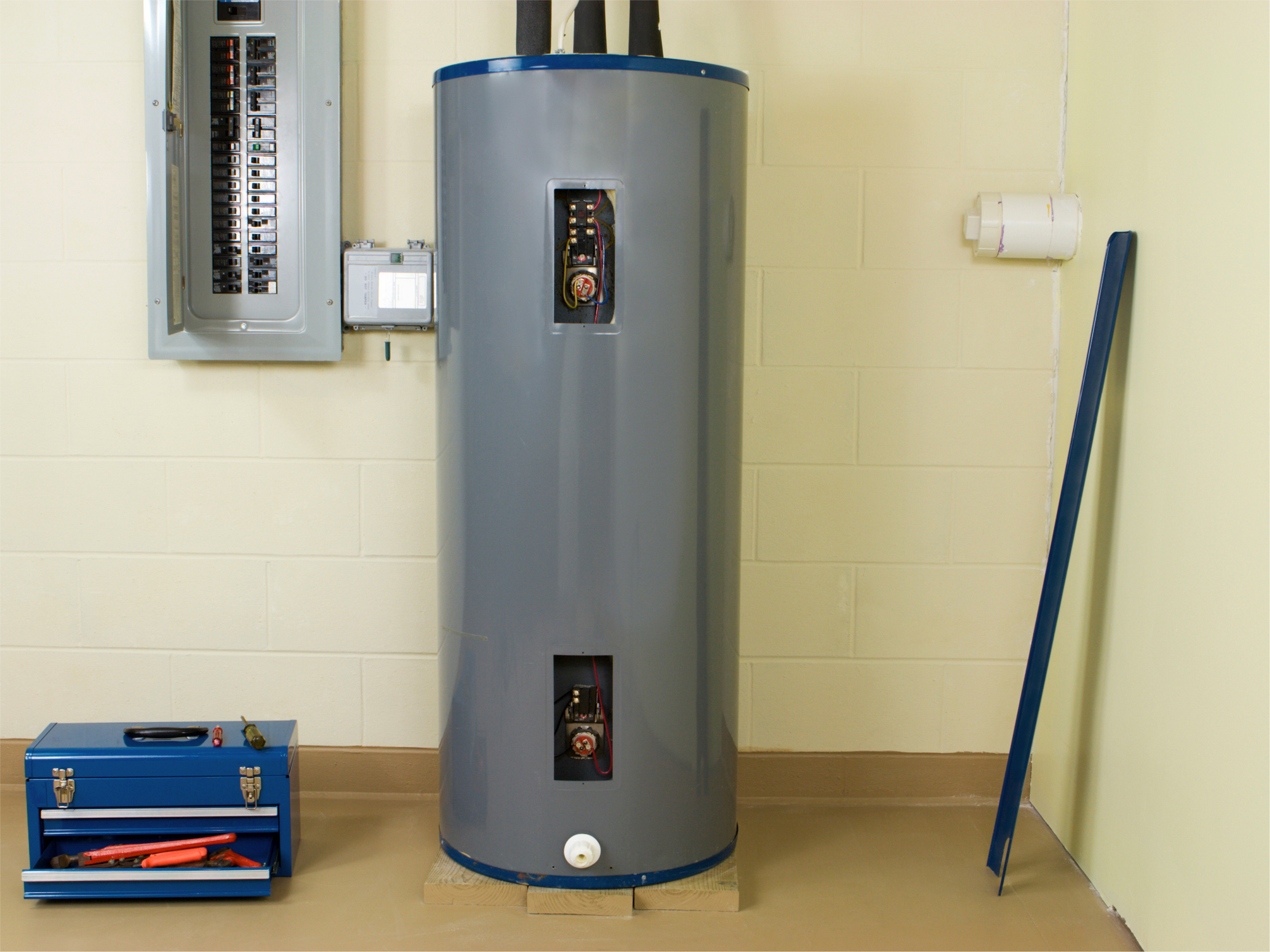
- Near the water heater and the main shutoff valve, where supply lines are easy to see
- At the water meter or the point where the main line enters the house
- Along basement ceilings, in crawl spaces, and under sinks
Look for a stamp that reads PB2110 printed along the pipe. That code is the clearest fingerprint of polybutylene, and gray plastic pipe carrying that marking is almost certainly the real thing. One caution: a lot of pipe hides inside walls, so a clean check at the visible spots does not rule it out. A licensed plumber can confirm what you have and trace the runs you cannot see. These are the same kinds of warning signs that come up with corroded metal pipes in aging homes.
Should You Buy A House With Polybutylene Pipe
Polybutylene alone does not have to kill a deal, but it does deserve a clear plan. Before you commit to a house that still has it in the walls, make sure you understand what you are taking on, from the odds of a future leak to how it affects your insurance and resale.
Two practical issues tend to surface. Some insurance carriers hesitate to cover homes with polybutylene, or they charge more for it. A sale can also stall once a buyer learns the plumbing has a history. If you love the house, factor a replacement into your offer and negotiate with your eyes open. A thorough inspection that flags the pipe gives you room to talk numbers with the seller.
What Polybutylene Pipe Replacement Involves
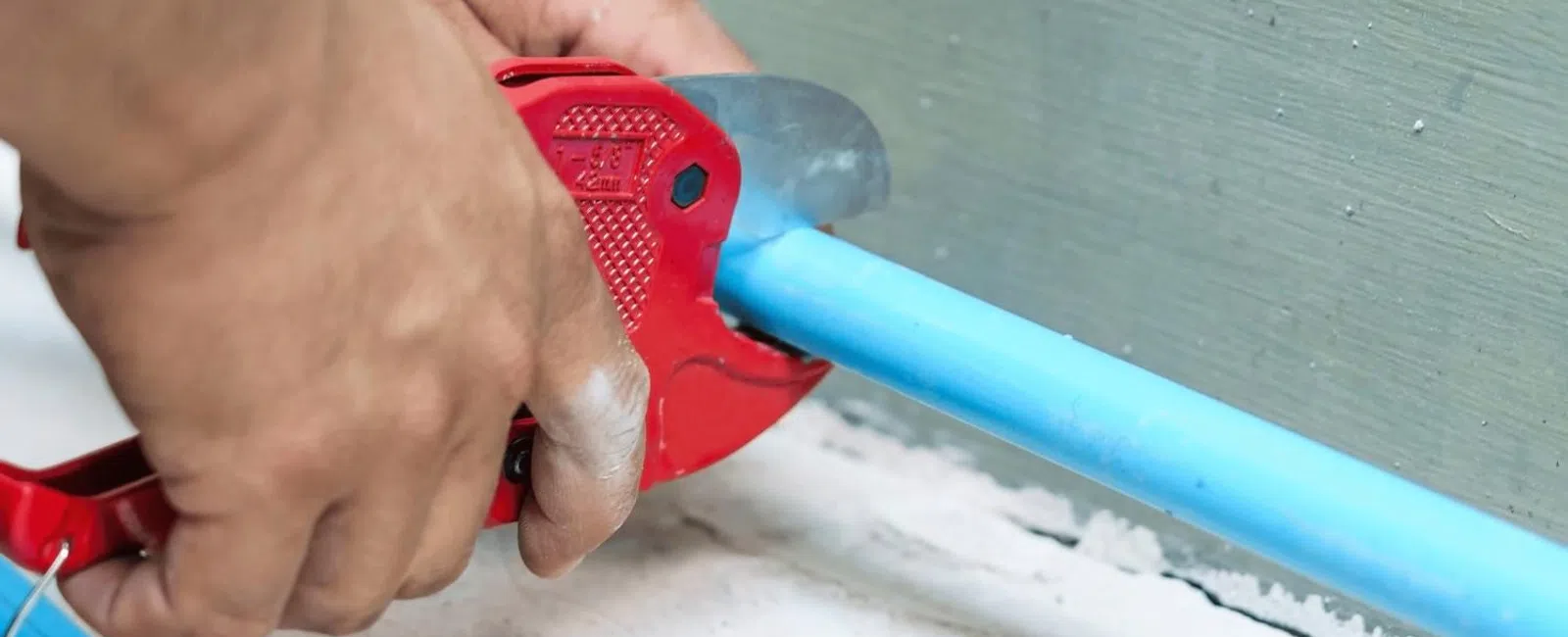
Polybutylene replacement means swapping the old lines for a durable modern material, usually copper or PEX. A full repipe removes the risk at the source rather than patching leaks one at a time. Homeowners who have lived through a surprise flood tend to see the value quickly.
Polybutylene pipe replacement runs through walls, ceilings, and tight spaces, and the new work has to meet current code. A professional plumber maps the system, plans the new routing, and restores water service with material built to last. Catching a small drip early through professional leak detection can also buy you time while you plan a full replacement.
Protecting An Older Home Starts With Knowing Your Pipes
Old plumbing pipes are one of those things that stay out of sight until they demand attention all at once. Polybutylene is a clear example. Spotting it early, understanding why it fails, and having a plan puts you back in control of your home, rather than waiting for a leak to make the decision for you. If a section has already failed, targeted water line repair can stop the immediate damage while you weigh a broader upgrade.
Talk To Dalmatian Plumbing
Not sure what is behind your walls? The team at Dalmatian Plumbing can help. With more than 25 years serving Atlanta homeowners, over 75 years of combined technician experience, and a 4.9-star rating across 600-plus Google reviews, we know older homes and the pipes that come with them. Every technician is licensed and background-checked, our trucks come stocked for same-day service, and our work is backed by a 100% satisfaction guarantee.
Call us today or contact us online to schedule an inspection and find out exactly what is running through your home.