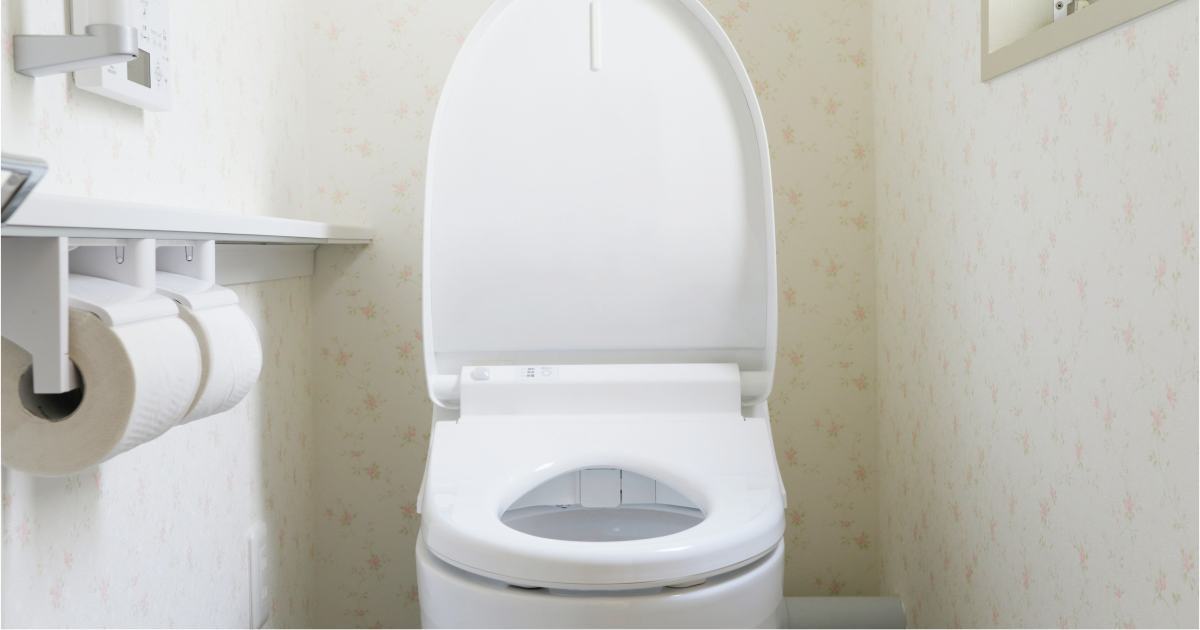
For many
homeowners who invest in bidets, they typically pick one out and add it to the
toilet they already own. However, some homeowners open the box and discover
their bathroom was never set up for it.
The
requirements are not complicated, but they are specific, and they vary
depending on which kind of bidet you bought. Here is what must be in place
before one can be installed properly in an Atlanta-area home.
The Type of Bidet Changes Everything Else
Three broad
categories make very different demands on your bathroom. A basic attachment
sits under your existing toilet seat and runs on water pressure alone. A bidet
seat replaces the toilet seat entirely and usually needs electricity for heated
water, a warm air dryer, and a heated seat. An integrated bidet toilet replaces
the fixture completely and has the most demanding requirements of the three.
Almost every requirement below shifts depending on which one you choose.
A Water Supply Connection the Bidet Can Tap
Every bidet
needs cold water, and it typically comes from the same supply line that feeds
your toilet tank by way of a tee fitting. That part is standard. What is not
standard is the condition of the shutoff valve already sitting behind your
toilet. In older homes, those stops have often been in place for decades, and a
valve that has not been turned in twenty years frequently will not reseal once
it is disturbed. If your supply lines are showing
signs of corrosion, that gets addressed as part of the job rather than
discovered halfway through it. Homes still carrying polybutylene
supply piping deserve extra attention, since adding a connection to piping
known for failing at the fittings is not something to do casually.
Water Pressure Inside the Working Range
Bidets are more
sensitive to pressure than most fixtures. Too little and the spray is
disappointing, which is usually the complaint behind a brand new bidet that
feels like a dud. Too much and you get the opposite problem, along with
accelerated wear on the valve and seals inside the unit. Knowing your actual household
water pressure before buying is worth more than most product research.
Pressure varies
meaningfully across metro Atlanta with elevation and distance from the main,
and a home running high often turns out to have a pressure
regulator that has quietly failed. A bidet installed onto an unregulated
system inherits that problem immediately.
Backflow Prevention Is a Code Matter
This is the
requirement homeowners are least likely to know about. A bidet creates a
potential cross-connection between your drinking water supply and water that
has been in contact with the fixture. Plumbing codes address that risk
directly, and appropriate backflow prevention must be part of the installation
rather than an optional upgrade. It is also the requirement that most reliably
gets missed on a self-installed unit, because nothing appears to go wrong at
the time.
The Outlet Most Older Atlanta Bathrooms Do Not Have
If you bought
an electric bidet seat, it needs power at the toilet, and this is where a large
share of Atlanta installations stall. Any bidet with heated water, a heated
seat, or a warm air dryer requires a grounded, GFCI-protected outlet within
reach of the unit. Bathrooms built before outlets near fixtures became standard
practice often have nothing closer than the vanity, and running an extension
cord across a bathroom floor is neither safe nor code-compliant. Higher draw
models can also call for a dedicated circuit rather than sharing with the rest
of the bathroom, and placement and height matter, since the cord must reach
without being pinched behind the fixture.
That leaves two
workable paths: choose a non-electric attachment that runs on water pressure
alone and skip the electrical question entirely, or have a proper GFCI
receptacle added near the toilet before the bidet goes in. Which one makes
sense depends on whether heated water is something you actually care about.
Hot Water, and Why Some Bidets Do Not Need It
Warm water
bidets get there one of two ways: an internal heater running on that outlet, or
a connection to the bathroom hot water line. The second option is only
practical when an accessible hot supply is close by, which is not a given in
every bathroom layout. Worth noting for Atlanta homes, hard
water shortens the life of the nozzles, inline filters, and heating
elements inside these units, which is a reason to think about water quality
alongside the installation itself.
Why This Is Worth Having Done Professionally
A licensed
plumber assesses the whole picture before anything gets opened: supply and
valve condition, pressure, backflow prevention, drainage, clearances, and
whether power is present or needs to be added. The common failure mode with self-installation
is not a dramatic one. It is a slow leak behind the toilet from a shutoff that
never resealed, or a code issue that surfaces years later during an inspection
when the house is being sold.
Frequently Asked Questions
Does a bidet require special plumbing?
Not exotic
plumbing, but specific plumbing. A cold water connection, adequate and stable
pressure, appropriate backflow prevention, and a supply stop in sound condition
are all required. Integrated bidet toilets add clearance and drainage
considerations on top of that.
Can I add a bidet to my existing toilet?
In most cases, yes, and that is the appeal of attachments and bidet seats. What determines it
is toilet shape and size, the space between the bowl and the wall, the
condition of the existing supply connection, and whether power is available for
electric models.
Do bidets need a backflow preventer?
Backflow
protection is a code requirement because a bidet creates a potential cross-connection with your drinking water. The specific form it takes depends on the
unit and the configuration, which is part of what a licensed plumber determines
on site.
Do bidet toilet seats need a dedicated circuit?
Non-electric
attachments need no power at all. Electric seats need a grounded GFCI-protected outlet, and higher-draw models may call for a dedicated circuit rather than sharing the bathroom circuit. The manufacturer specification for your
particular unit governs.
Have a Bidet Installed Right by Atlanta Plumbers Who Know These Homes
Dalmatian Plumbing has served Atlanta area homeowners for more than 25 years, backed by 75-plus years of combined technician experience. Our technicians are licensed and background-checked; every truck is stocked with parts; same-day service is available; and all of it is covered by our 100 percent satisfaction guarantee. We will tell you honestly what your bathroom can take before anything gets ordered. Call 404-314-3993 or schedule your toilet and bidet installation online today.